Chapter 01
Promise & audience
A controller-led, single-player adventure for time-limited players who want deep builds without a steep learning burden. Mac is the first development and playtest target, and Steam is the intended distribution direction. The first vertical slice is now concrete: town, quest, dungeon, a discovered companion, extraction, a second town, and a bonding milestone.
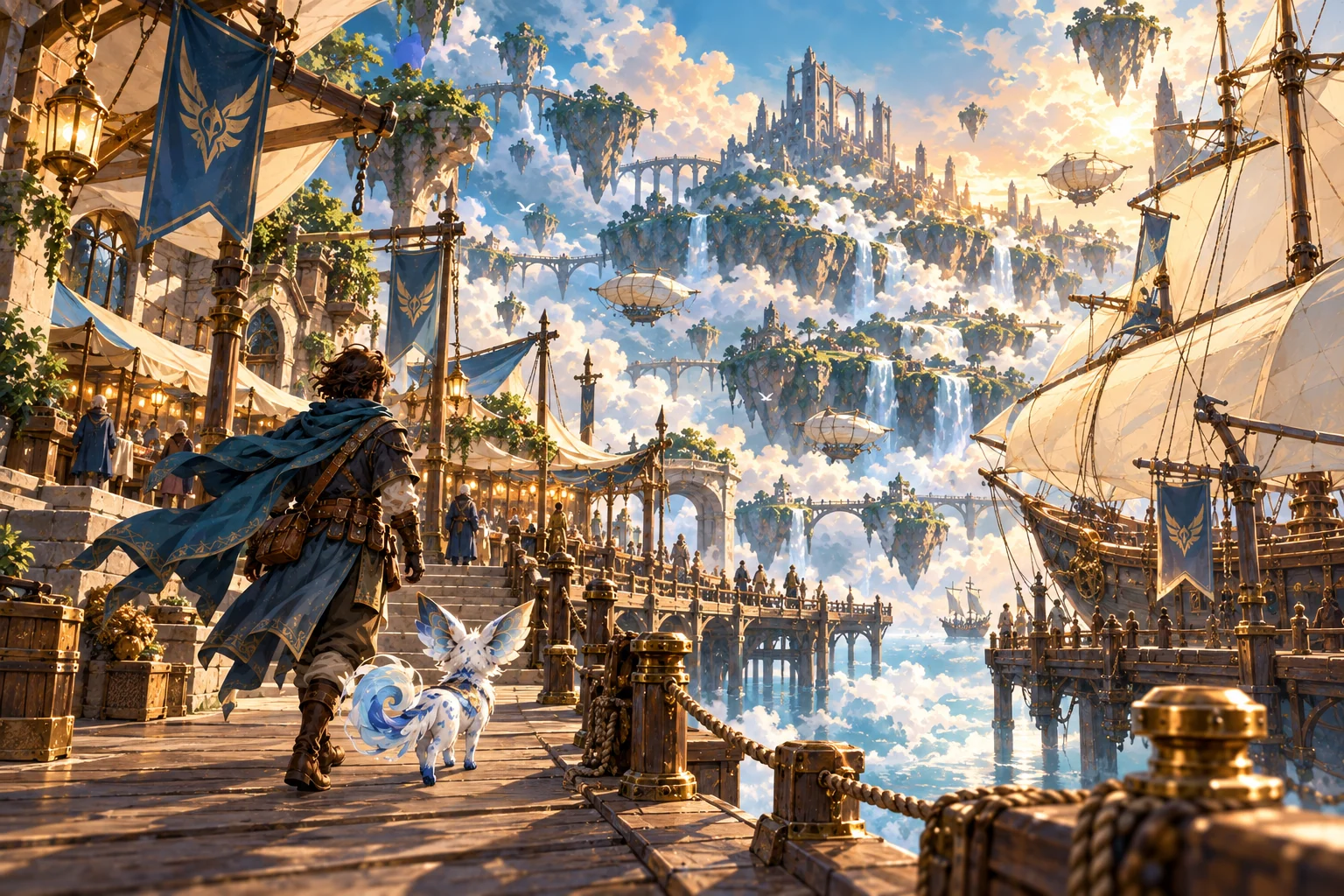
The best part of a first session
What should a player say is the best part of Galespun after their first session?

Who we design for
Who is the main player we should design for first?

The feeling of maybe this time
What feeling should dominate the game?

Mac first, controller always
Which platform must feel excellent first: a Mac application or a browser game?
No link required
How important is playing through a simple shared link with no installation?
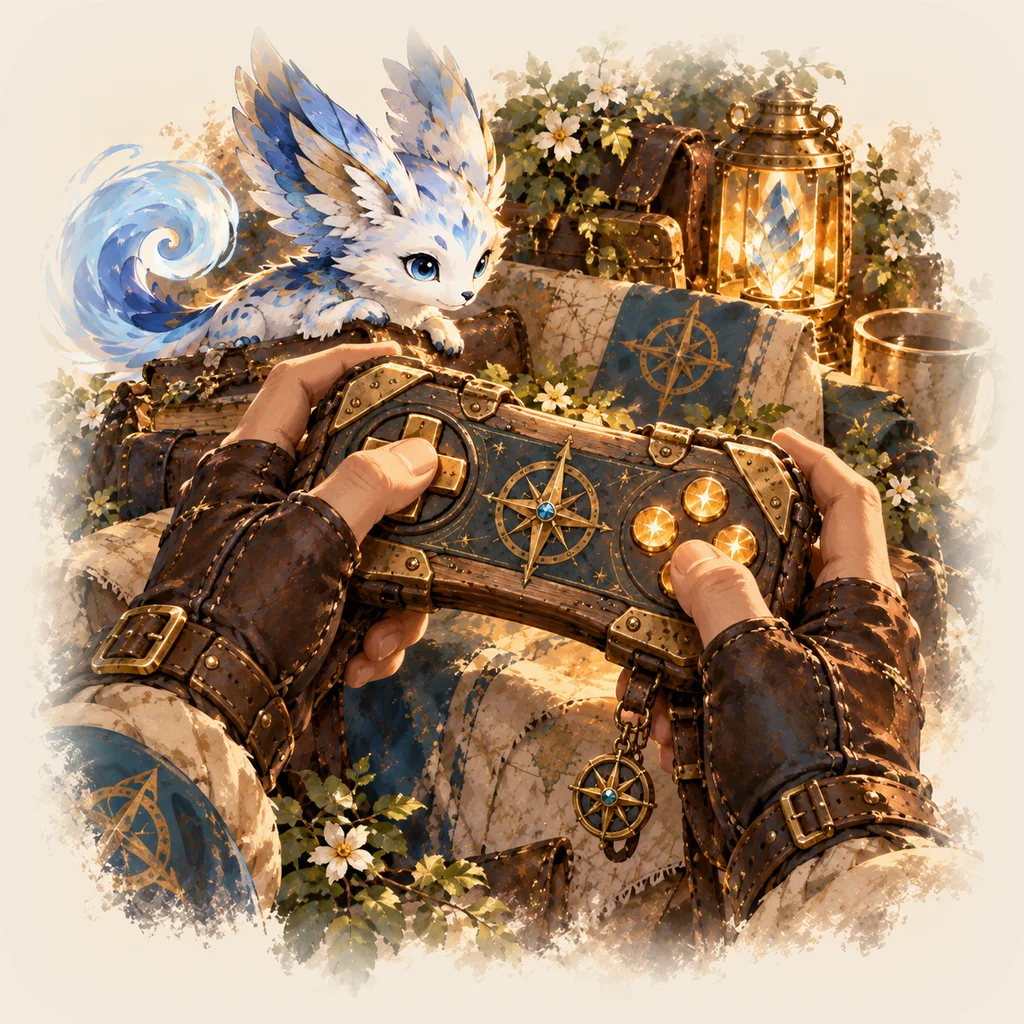
Built around the controller
Is iPad play required in the first release, or something to explore after Mac/browser play works?
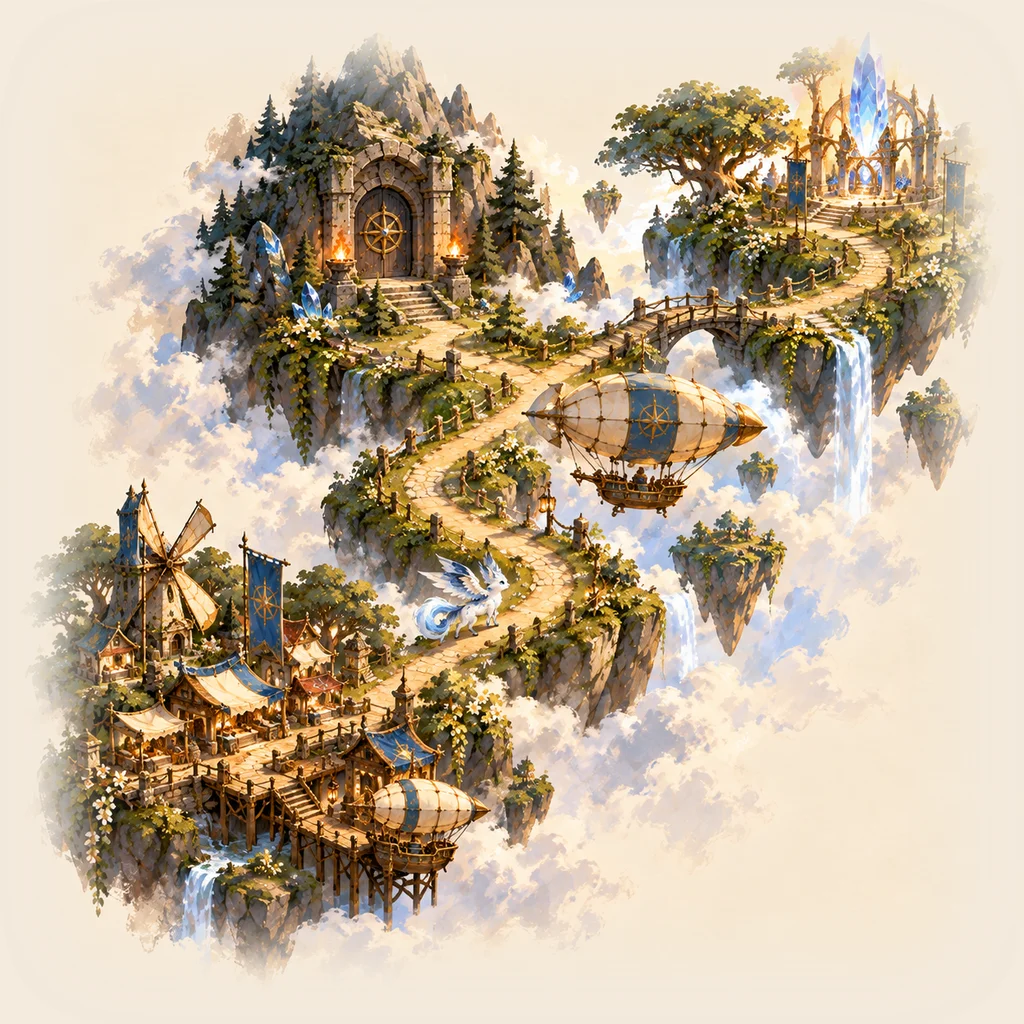
The first playable journey
What is the smallest first version you would happily sit down and play repeatedly?
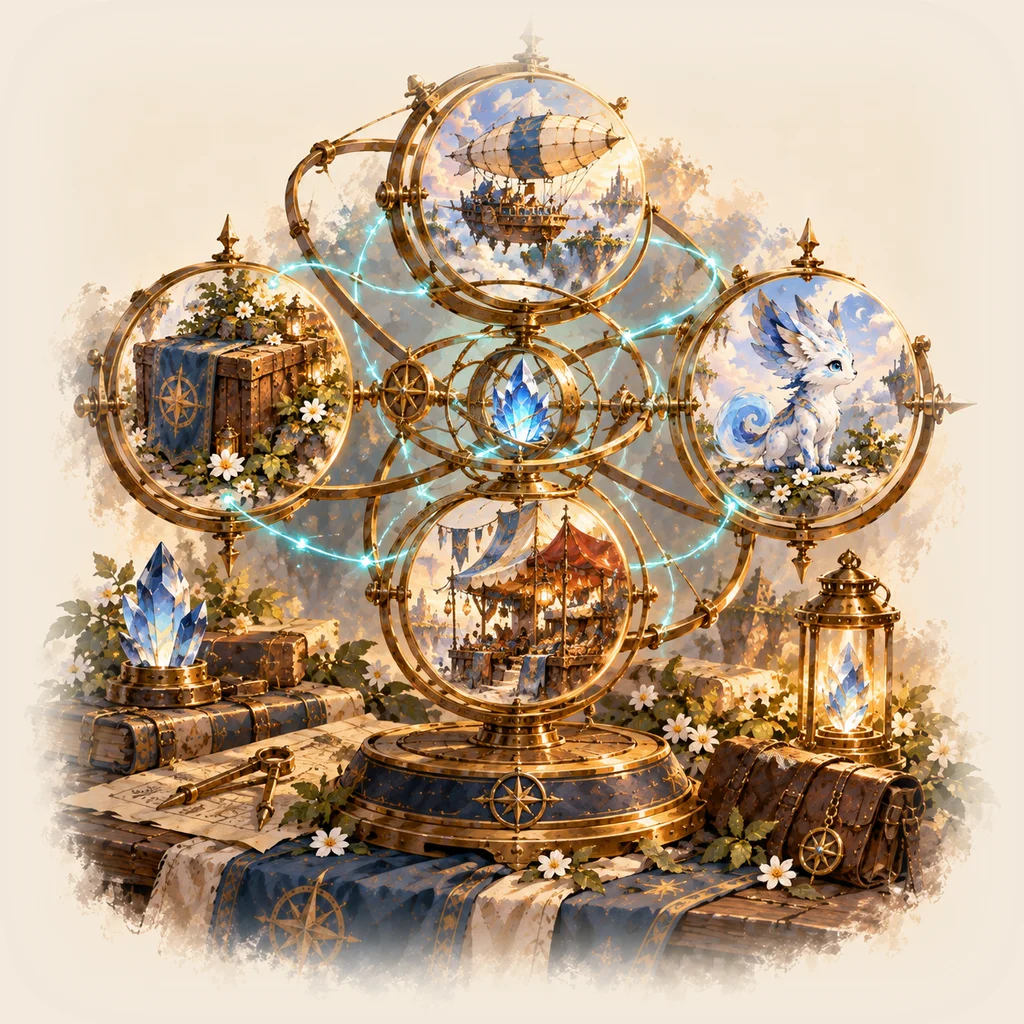
Every screen connects
What would make that first version feel unfinished even if all its buttons worked?
Chapter 02
Controls & party
The preferred baseline gives the player control of the trainer. A following companion auto-attacks and uses powers on command. Early play has one active companion; switching carries a cooldown and a meaningful cost. Trainer weapon classes start small and grow.
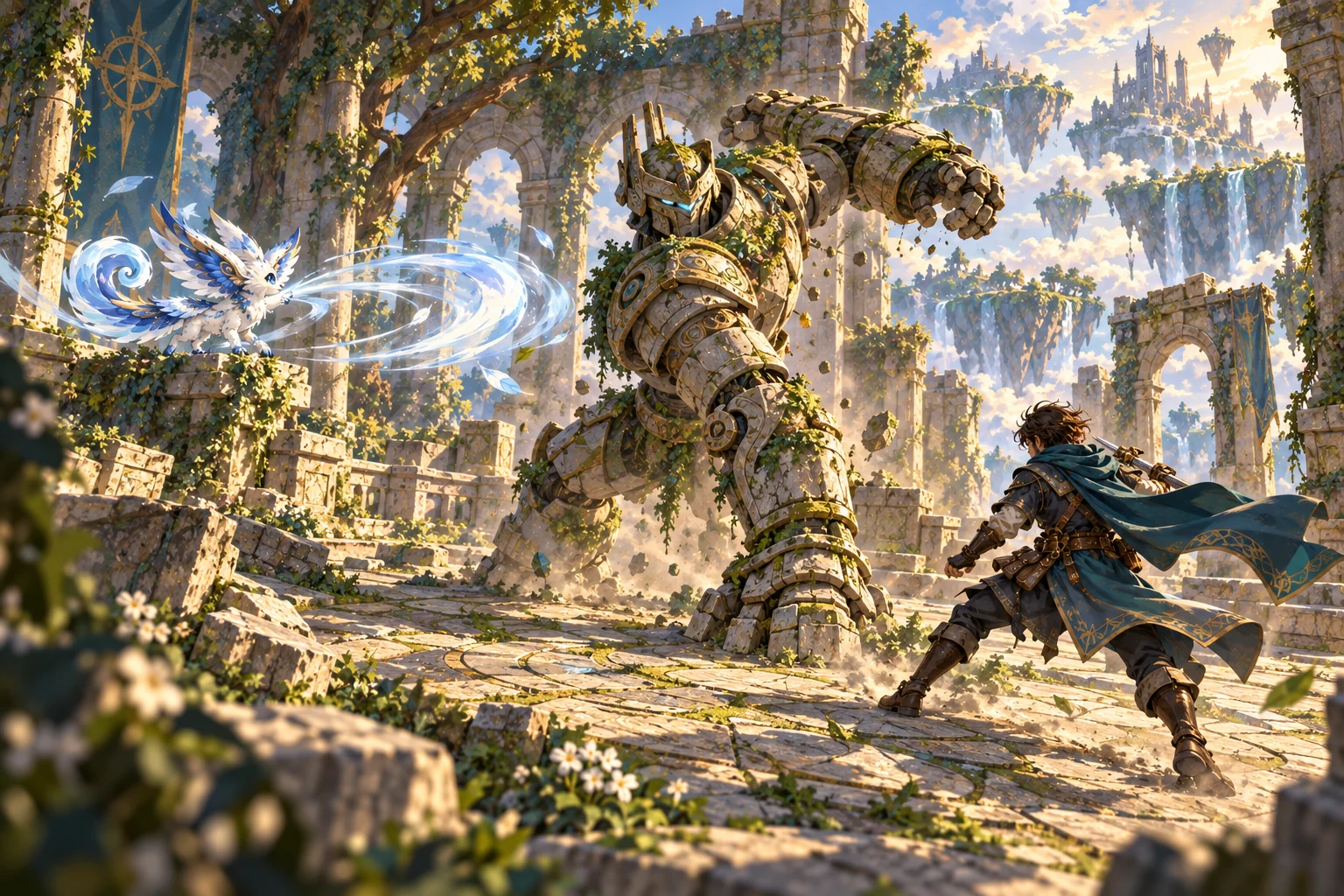
You are the trainer
Who is the player physically controlling in combat?
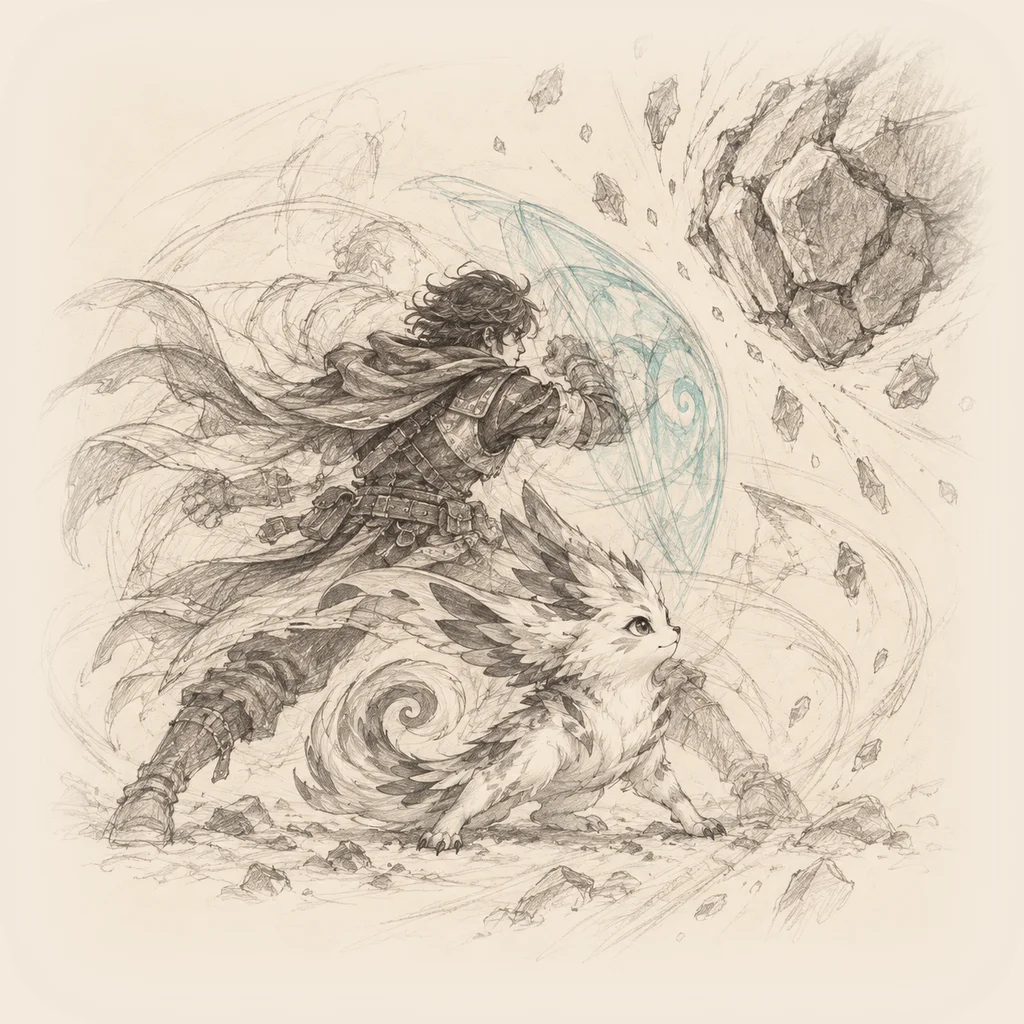
Who takes the hit?
Who should take damage when an enemy reaches the party?
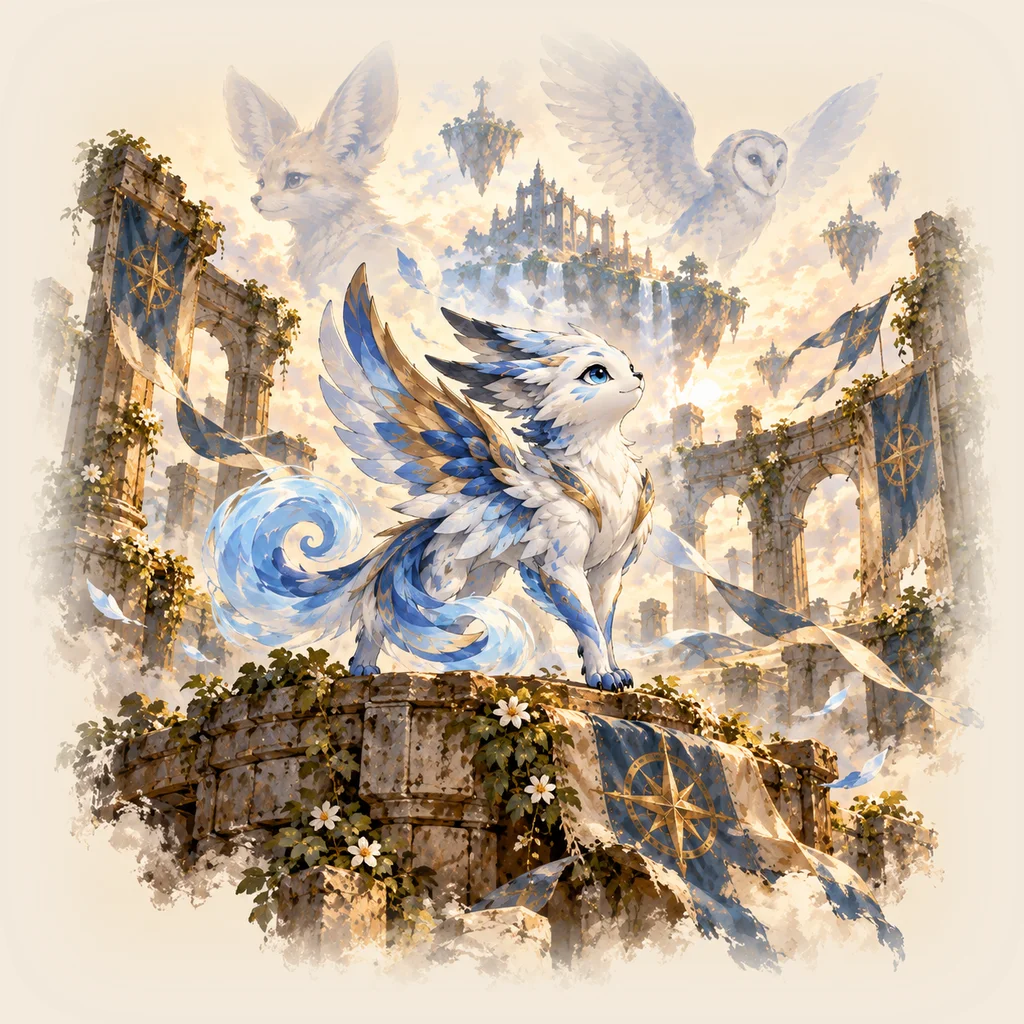
One companion, to begin
How many companions should be visible and actively fighting at once?
An expedition party that grows
How many companions can the player bring on an expedition?

How much to aim and press
How much aiming and button pressing should combat require?

Switching has a price
What should switching companions cost or risk?
Trainer weapon classes
What job should the trainer's slingshot have in the future game?

Controller sets the feel
Which control method should define the default combat feel?
Chapter 03
Dungeons & encounters
Two cities and two separate dungeons are connected by an initially weak airship. Start with authored maps and readable room objectives. Depth changes hazards, layouts, enemy behavior and resource pressure. Guardians test patterns, timing and preparation. Seasonal live events are not planned.

Two cities, two dungeons
What exactly did you mean by “two dungeons, two cities, 10-20 minutes”?
A dungeon that grows stronger
How should spring, autumn and winter relate to each other?
Timed rounds
Do you want to retain the existing 10/15/20 wave counts?
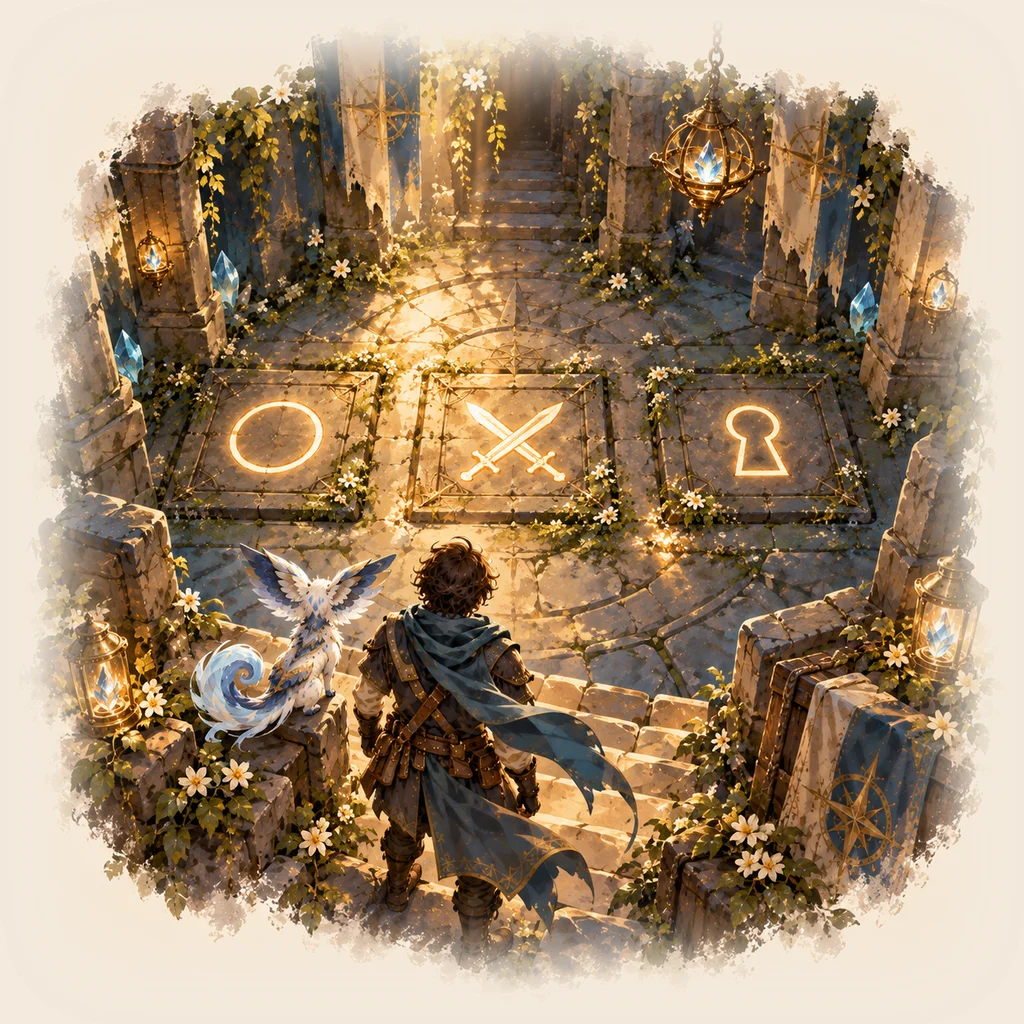
Clear, readable objectives
What defines an ordinary encounter clear?
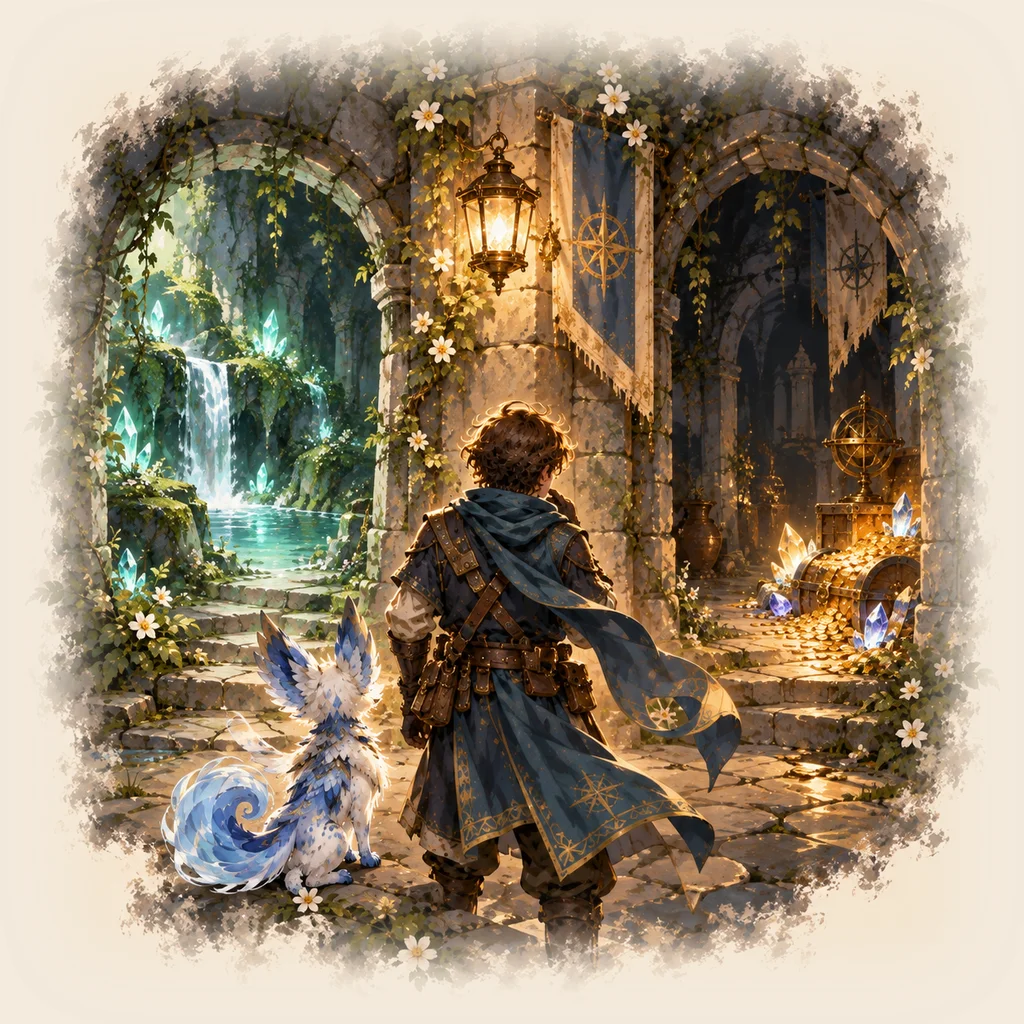
A choice every few waves
How often should the player make a meaningful noncombat decision during a dungeon?
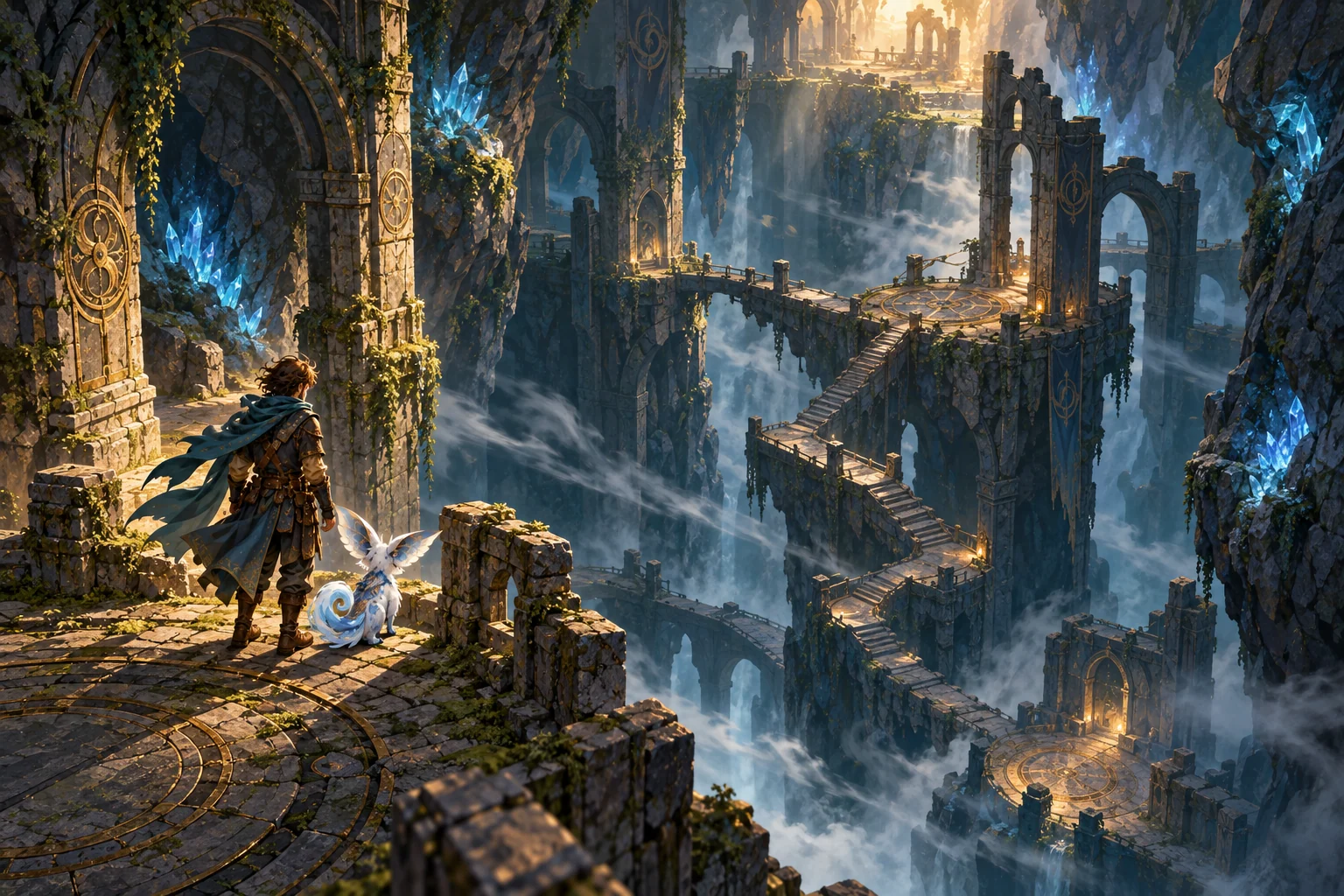
Depth changes the rules
What must be different about a deeper dungeon besides bigger enemy numbers?
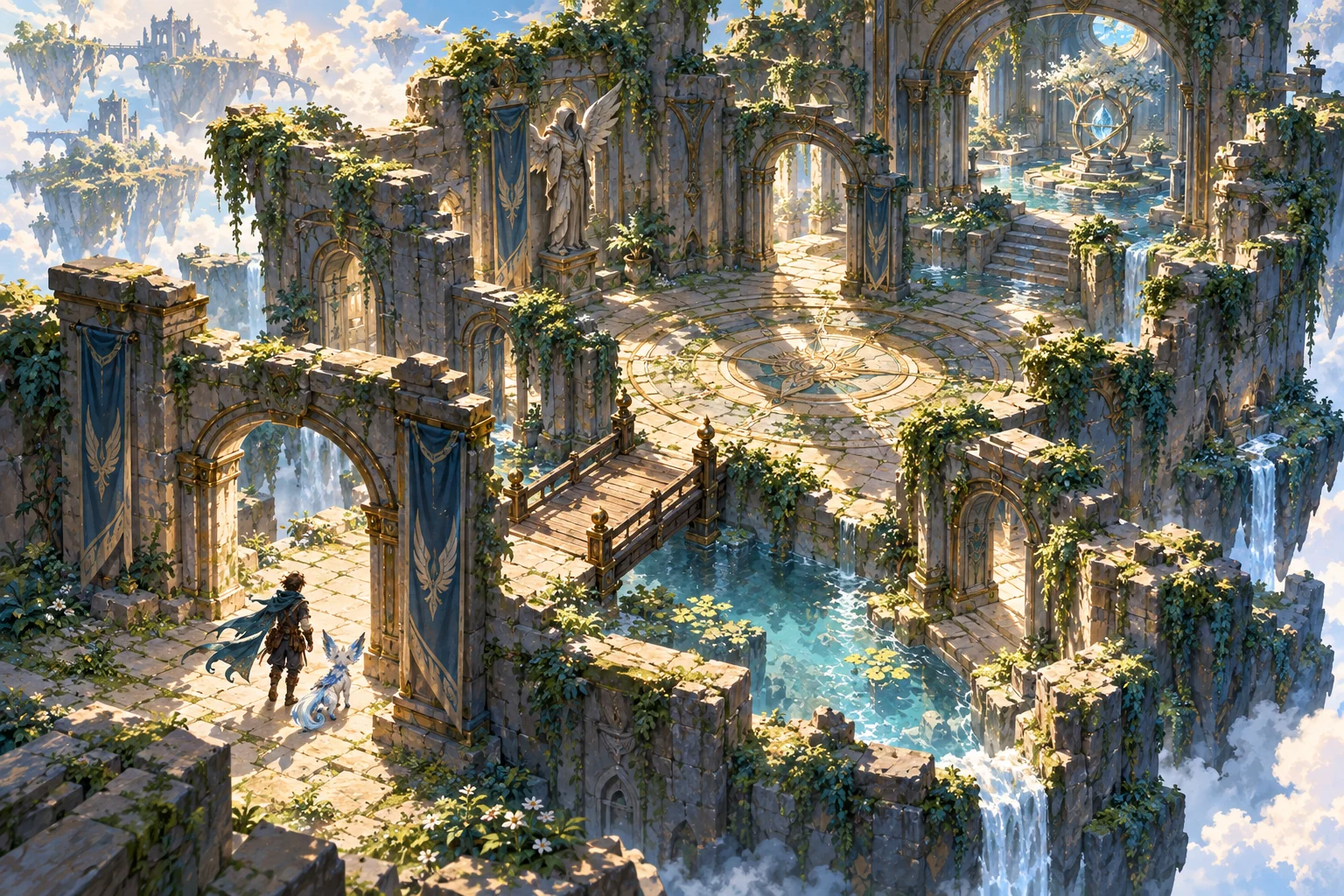
Authored maps first
How much dungeon layout variation do you want between visits?

A memorable guardian
What makes a guardian fight memorable for you?
Chapter 04
Investment & failure
Progression raises how hard a dungeon can become; optional resources then “juice” a single run with stronger monsters and better chase rewards. Players can see which chase materials a dungeon offers, but not exact drops. Extraction happens only at limited exits. Defeat loses the unextracted haul and temporary XP, never permanent progress. Cozy and Brave change pressure, rewards and loss rules, and are locked for the run.

Push a dungeon harder
When you feed resources into a dungeon, should the change last one run or permanently?

Real danger, not bigger numbers
What kind of added danger would make dungeon investment interesting?
Know what you're chasing
What should the player know about improved rewards before investing?

Limited ways out
Where should extraction be allowed?
Defeat costs the haul
What should happen to newly collected cargo when the party loses?
What always survives
Which newly earned progress must survive defeat no matter what?
No death spiral
How should a player recover when they have no money or supplies?

Cozy and Brave
Should Cozy and Brave modes change loot-loss rules or only combat pressure?
Chapter 05
Temporary builds
In-run power discoveries replace a heavy item shop as the main source of run builds. Choices are quick: one or two offers, with two as the default. Rerolls start limited and expand with progression. Powers mostly feel like upside. Slots follow controller ability roles such as attack, dash, shield, area and special, and a discovery can replace, improve or transform the move in a role.

Powers you find, not buy
Should the shop feel closer to the current birthday game's item shop or to choosing/modifying companion moves?

Companion or whole party
Should temporary shop effects change one companion or the whole party?

Two offers, pick one
How many offers should be visible at one shop visit?
Rerolls, earned slowly
Do you want paid rerolls and the ability to lock an offer for later?

Mostly upside
What kinds of drawbacks make an upgrade choice fun rather than annoying?
Slots follow your buttons
How restrictive should item and move slots be?

Heal now, or grow stronger?
How should healing compete with buying more power?
Three build fantasies
What are three temporary builds you would personally want to try?
Chapter 06
Lasting progression
Dungeon levels are temporary. Extracted loot is crafted into permanent progression that raises a companion’s starting level. Permanent evolution needs both a level threshold and a rare crafted item. Permanent learned moves are not assumed; mastery shapes which moves are offered. Cooldowns replace PP, and the trainer grows as the companion’s enabler.
A higher starting floor
What exactly should a companion retain after every expedition?

Evolution is rare
Should evolution be permanent, temporary within a run, or two separate systems?

The evolution item
How should the first evolution be earned?
Mastery shapes the pool
How should new permanent moves be learned?

Cooldowns, not PP
What does PP mean in your preferred combat system?

Only the active companion grows
Should reserve companions gain experience while another companion fights?

Alone, then not alone
What permanent upgrade would feel exciting early without making shop choices irrelevant?

Training a newcomer
How should an old favorite stay useful when a powerful new companion is discovered?
Chapter 07
Companions & rescues
Companions arrive through quests, dungeon encounters, discoveries and recruitment. A roster of roughly 20–25 distinct companions is enough, with elemental families sharing themes. Bond capacity grows slowly; a rare find at full capacity forces a hard choice. The first rescued human unlocks crafting. Rescue protection follows Cozy/Brave.
Many ways to meet a companion
How should the player acquire new companions?
A roster of distinct companions
Do you want multiple individuals of the same species?
A hard choice when bonds are full
What should happen when a new companion is found while the party is full?
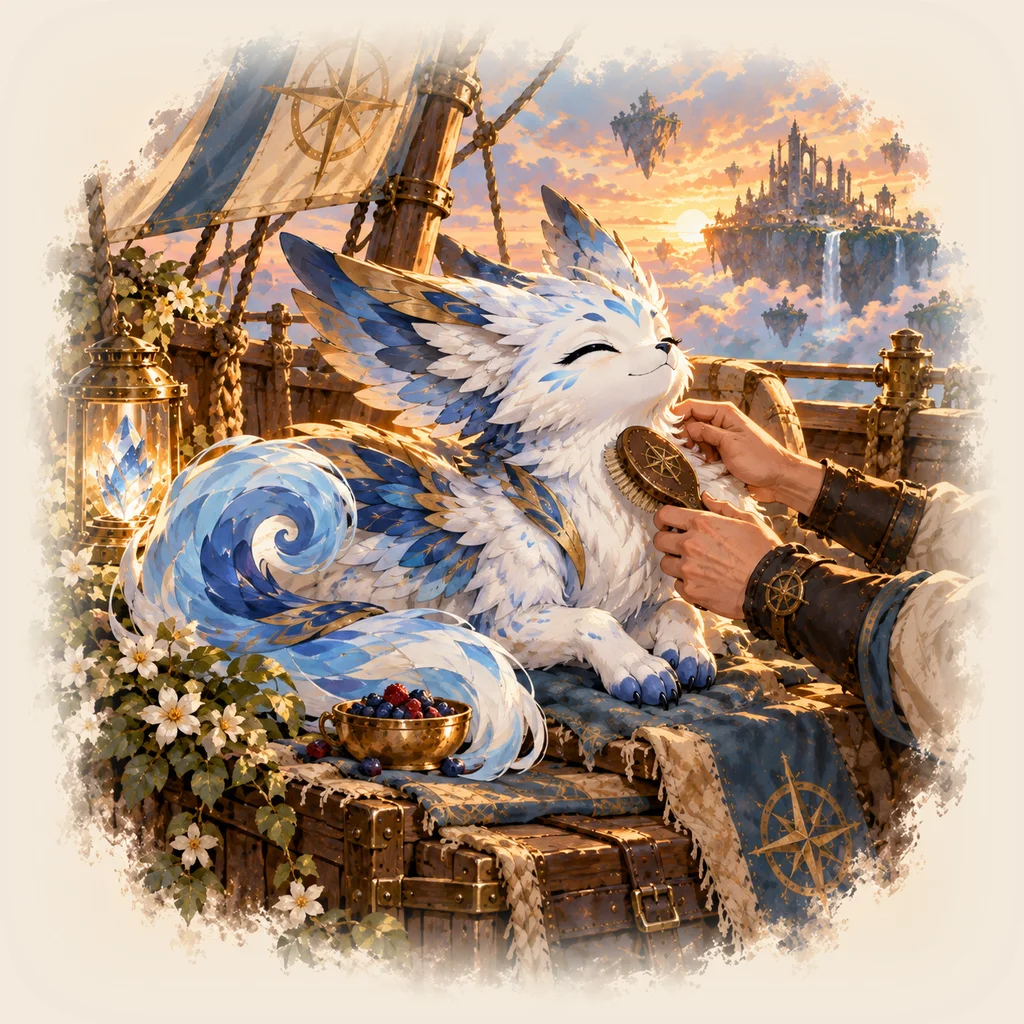
Care between runs
How much care should companions need outside combat?
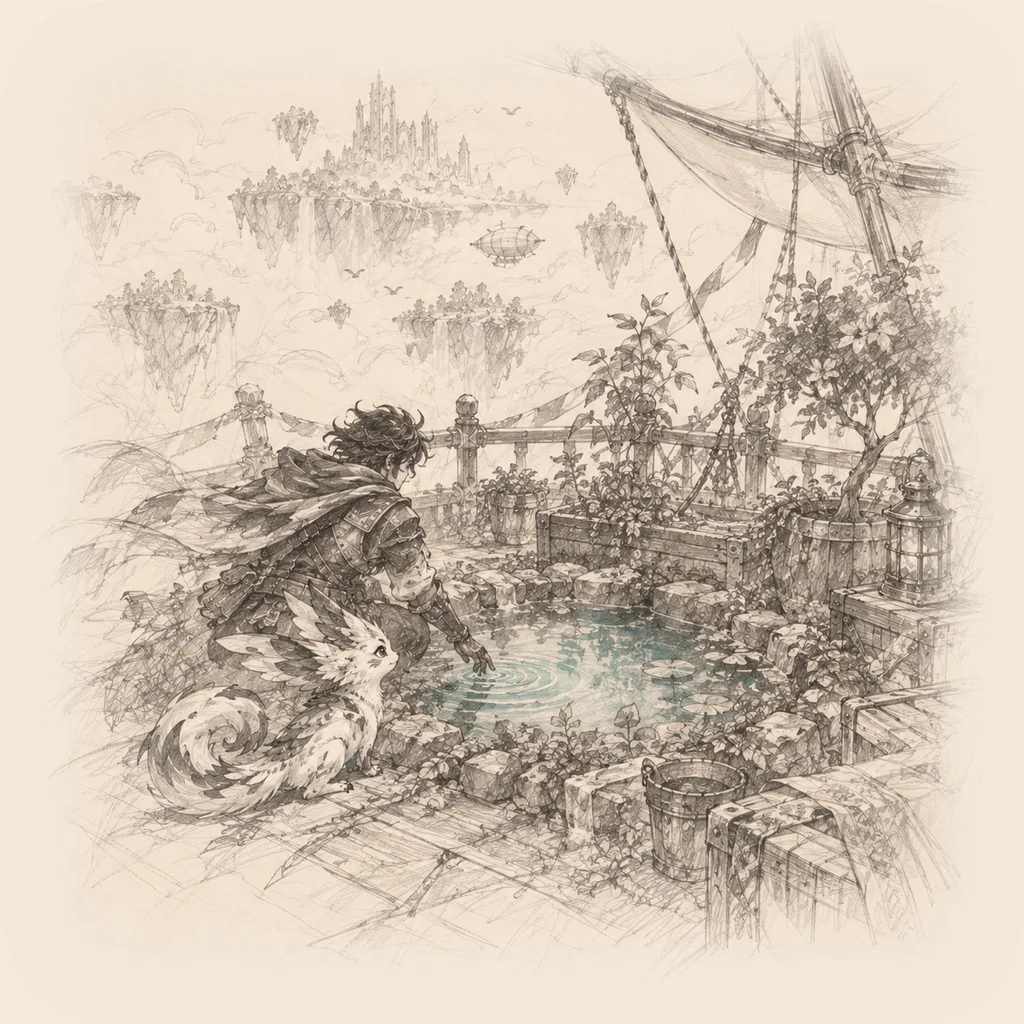
Habitats, for later
What should visiting a habitat let the player actually do?
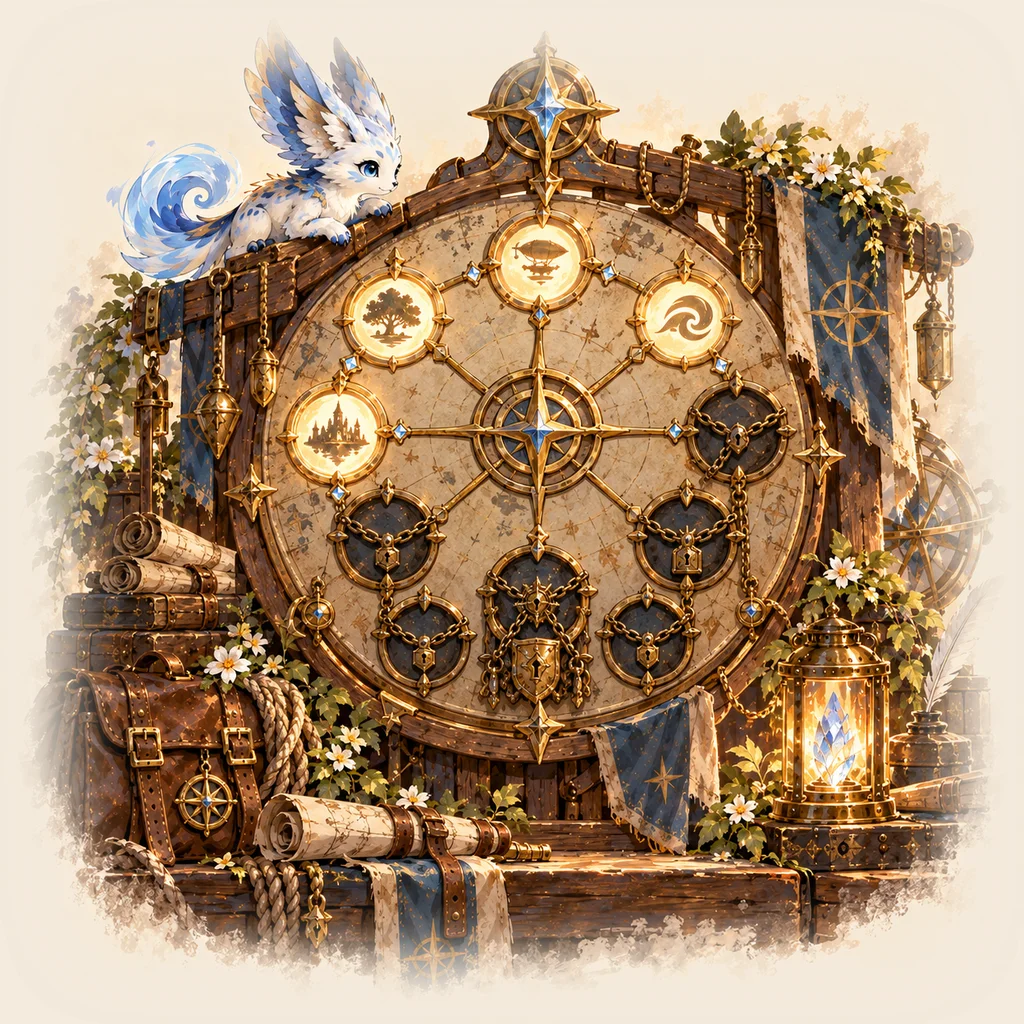
Bond capacity is enough
How should habitat capacity and suitability affect collection?

The first rescue brings crafting
What service should the first rescued human resident provide?

When is a rescue safe?
Should rescues be protected immediately or only after successful extraction?
Chapter 08
Markets & cargo
Towns are a real pillar, not a loading screen: quick returns and longer sessions both work. Prices use a learnable regional baseline with some movement; goods from a nearby dungeon pay better far away. Carrying capacity, for both the hero and the ship, is the strongest limit on profit. Overflow forces a keep-or-leave choice. Travel is direct route selection with a fuel cost.
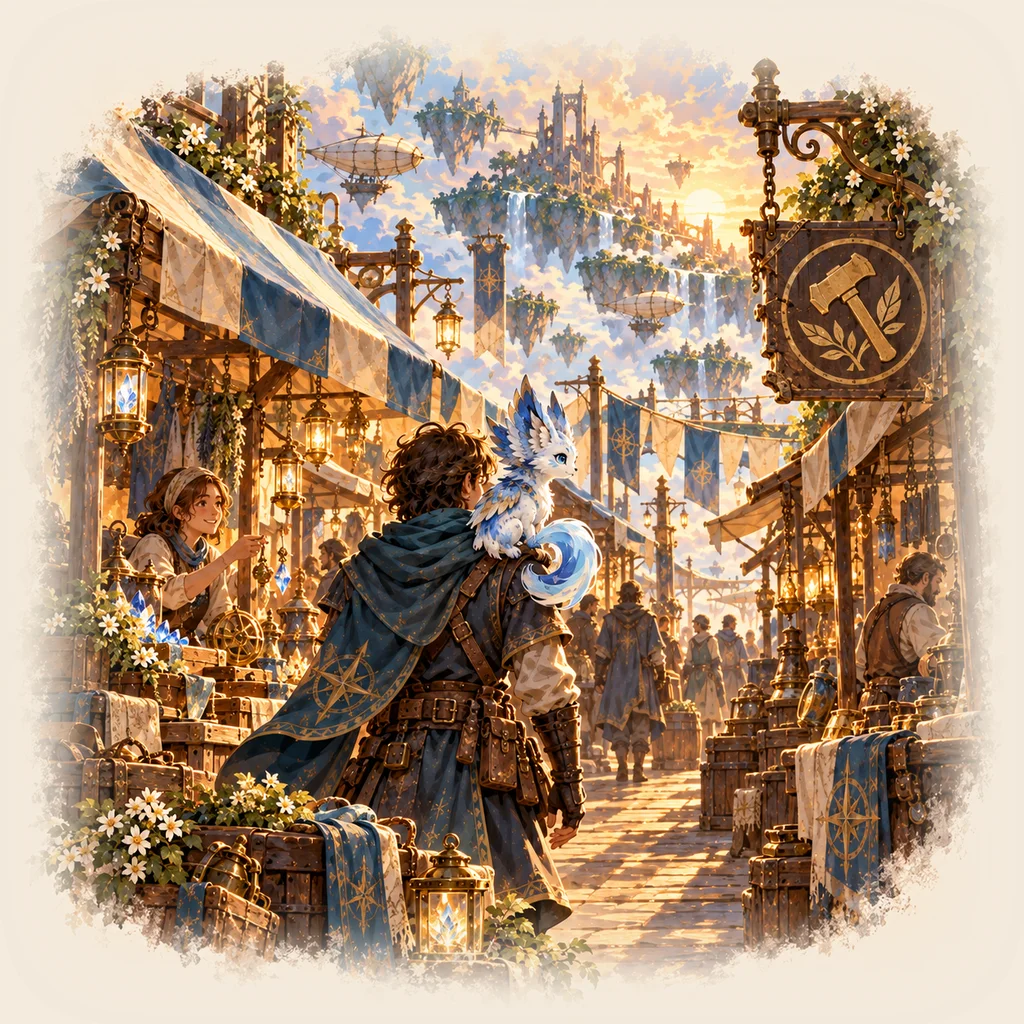
Towns are a pillar
How much of an ordinary session should be spent trading and managing cargo?
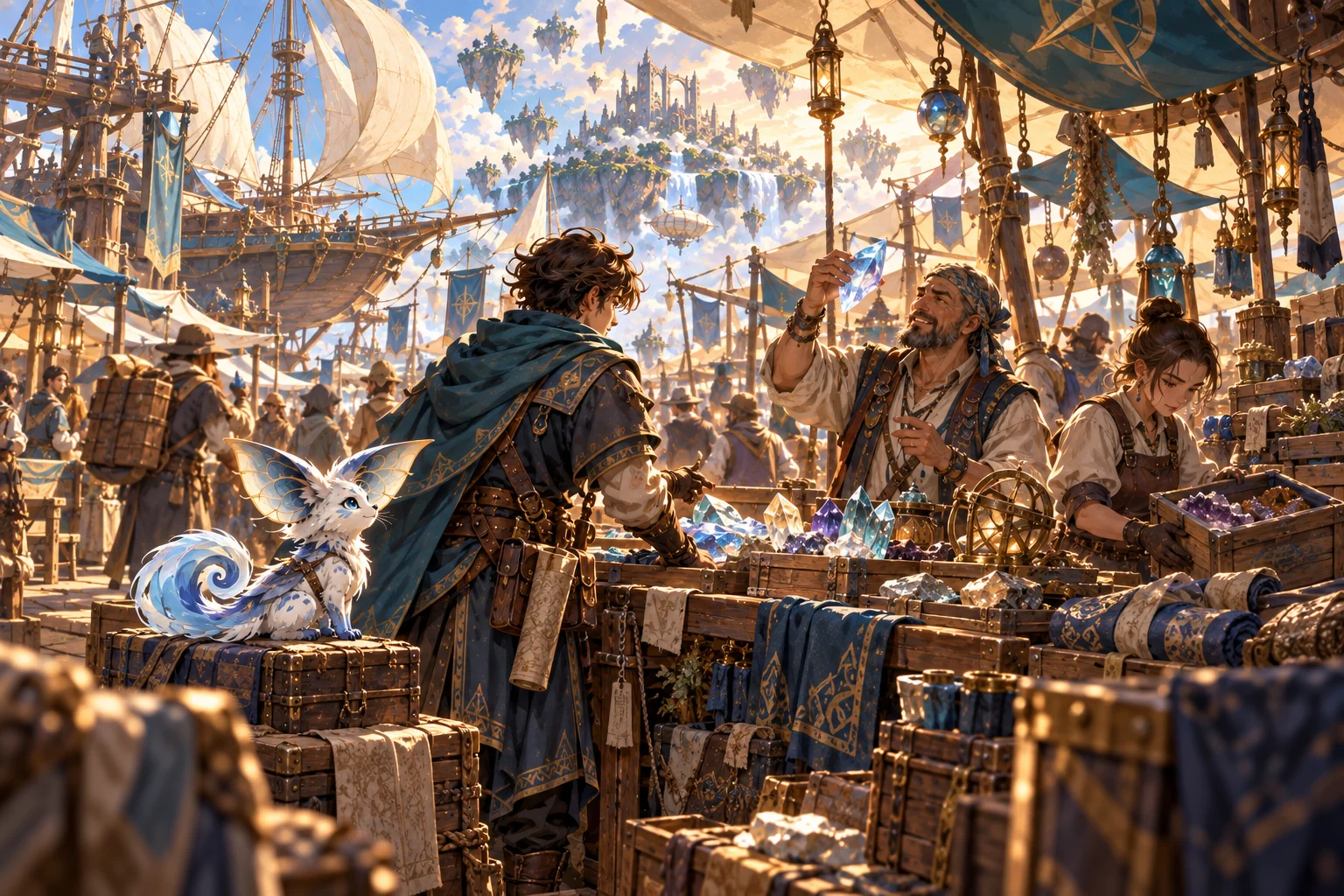
Abundant here, valuable there
Should regional prices be predictable or change with buying, selling and world events?
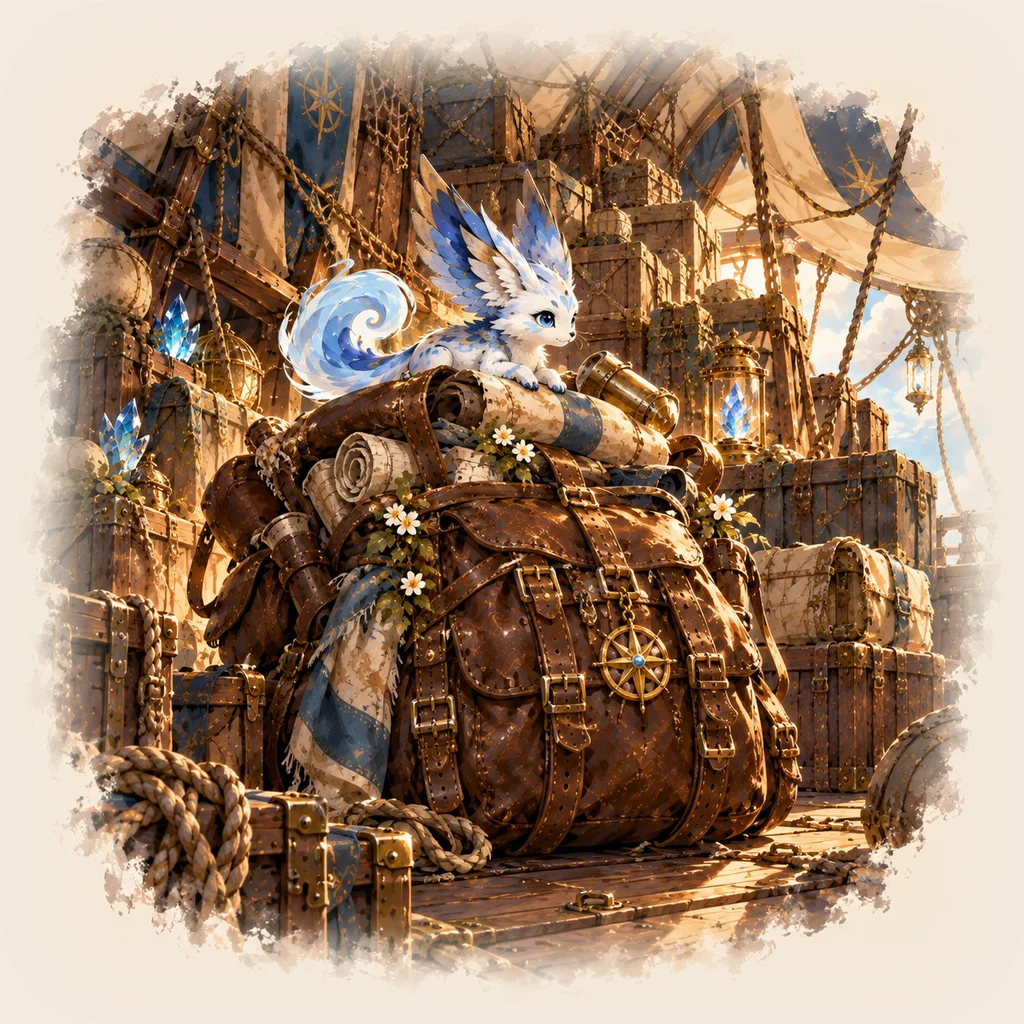
Capacity limits the trip
What should limit a profitable trading trip most strongly?
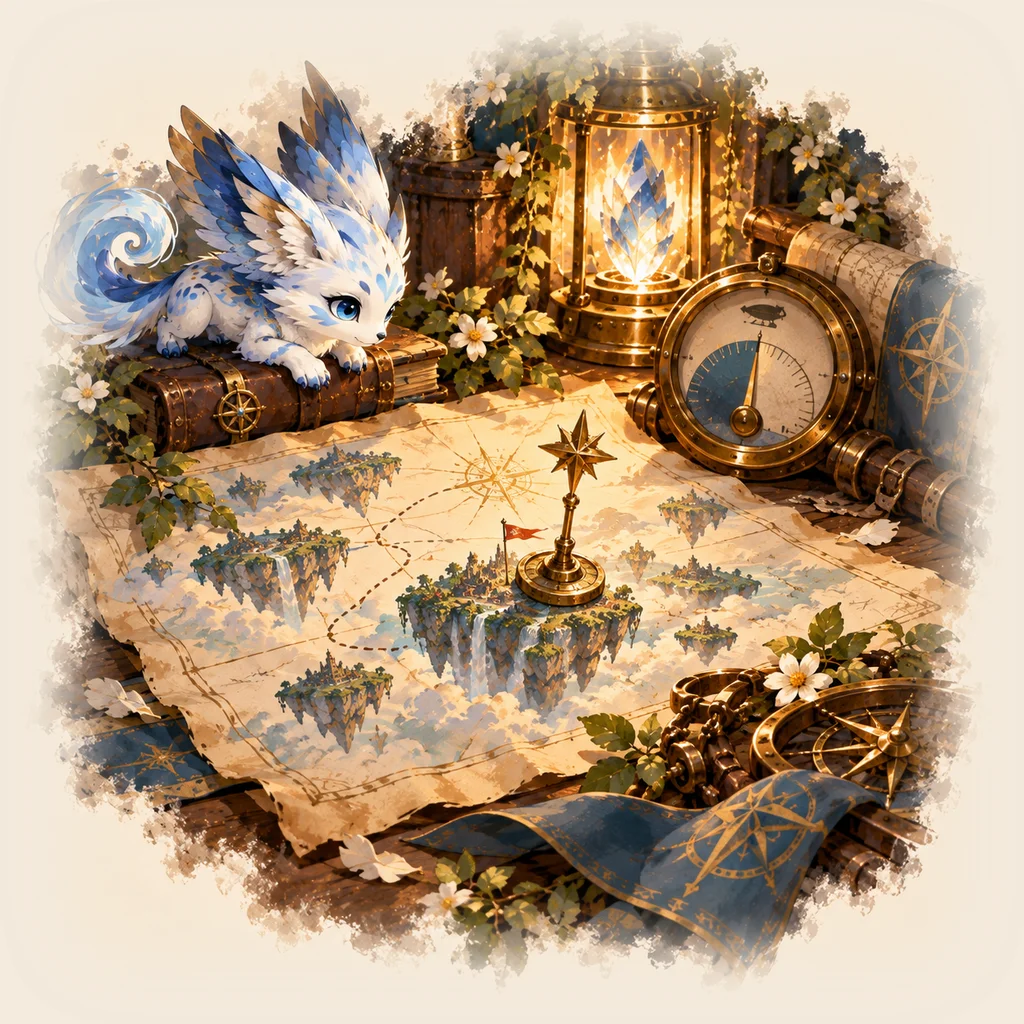
Choose a heading
Should airship travel be direct route selection or hands-on piloting?

Calm skies, for now
Should travel include encounters, hazards or interruptions?

What stays behind
What should happen when valuable dungeon loot exceeds carrying capacity?
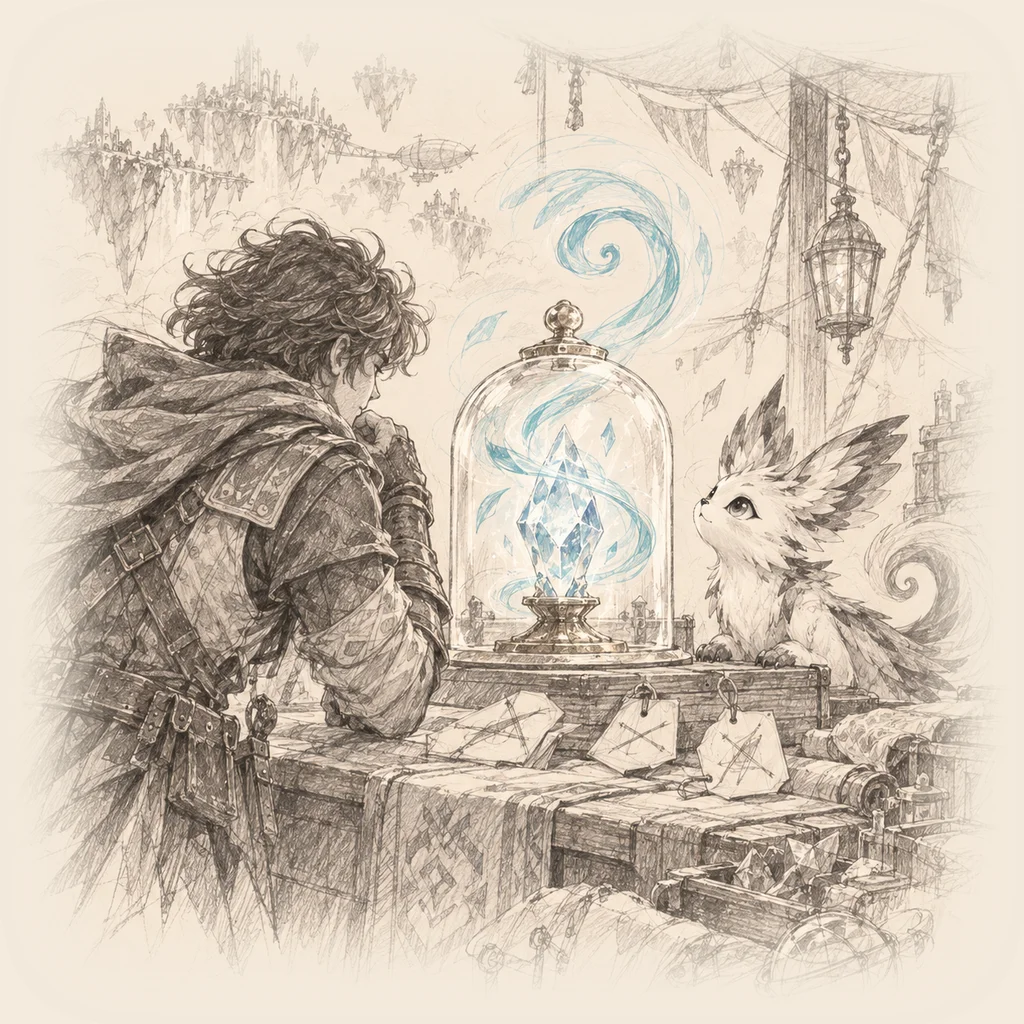
What can never be bought
Which materials should never be easily purchased or automated?
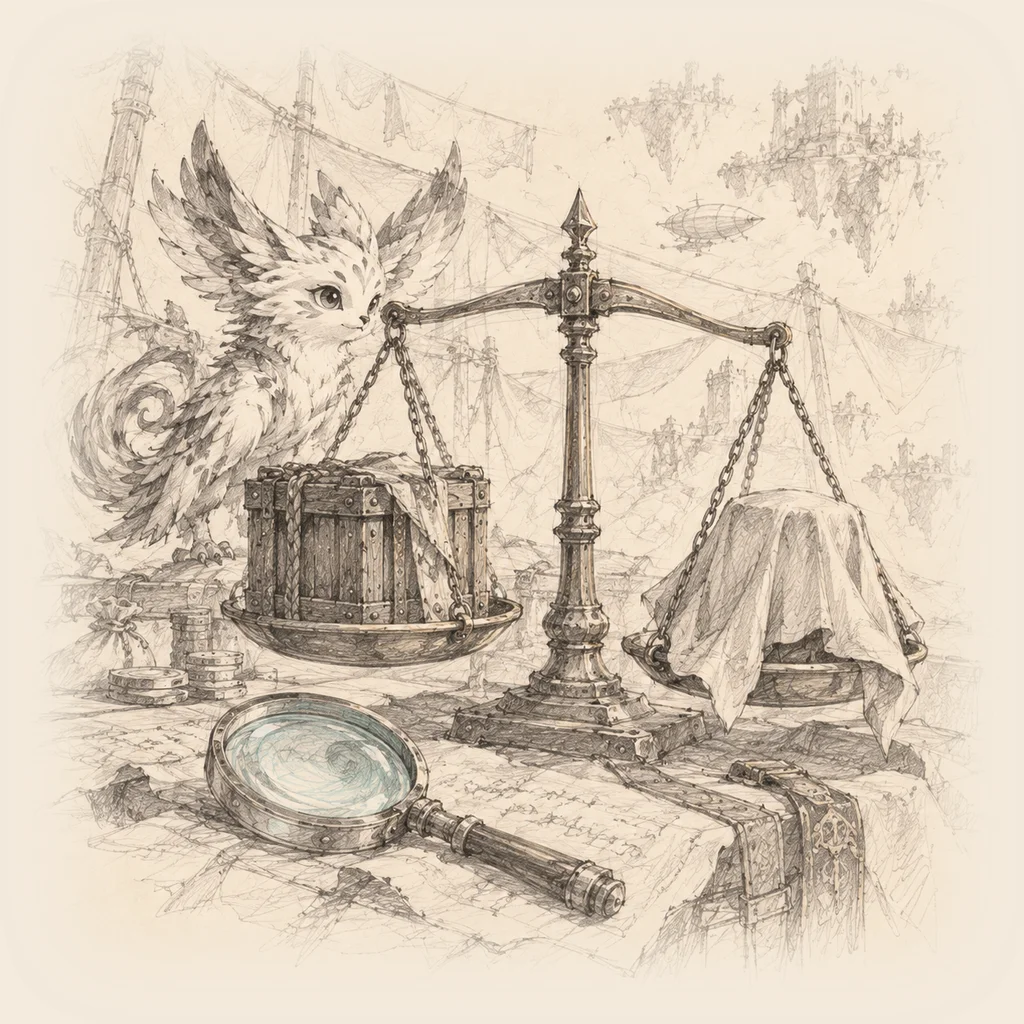
How much the market tells you
How much price and recipe information should the player know before selling?
Chapter 09
Routes & upgrades
The first upgrades expand carrying capacity for the hero and the ship; the cargo room matters most. The ship makes room for specialist crew facilities, because a crafter, artificer or armor forger needs a working station aboard.
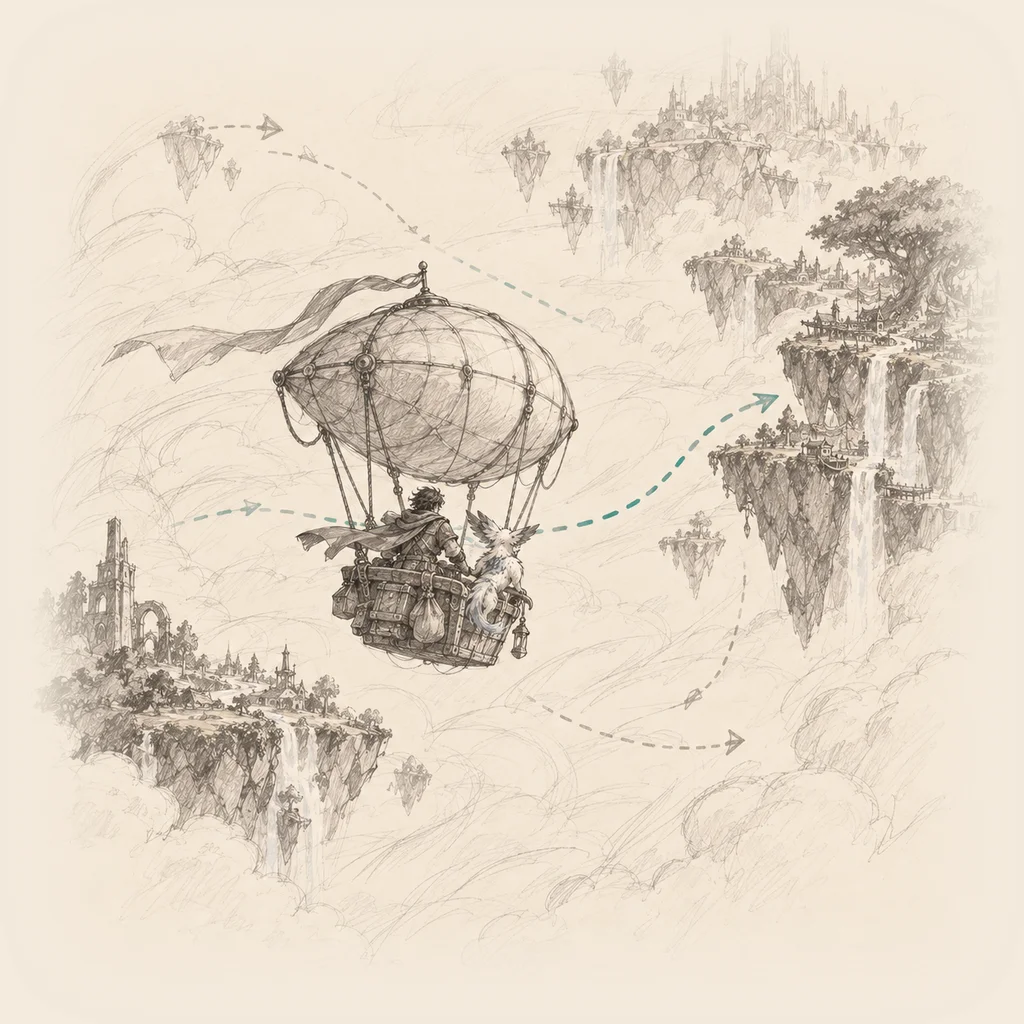
The first trade route
What experience should unlock the first automated trade route?
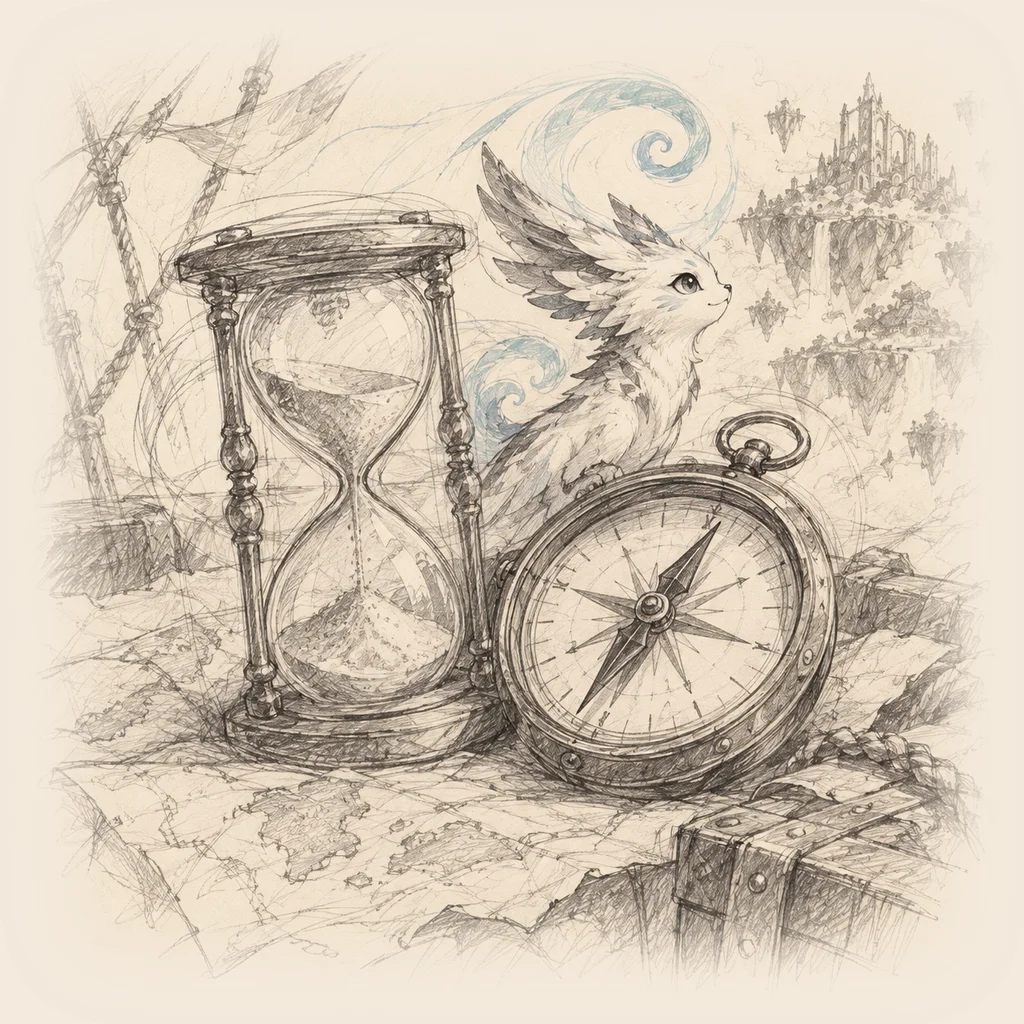
Adventures or clock time?
Should routes progress through completed adventures or real elapsed time?
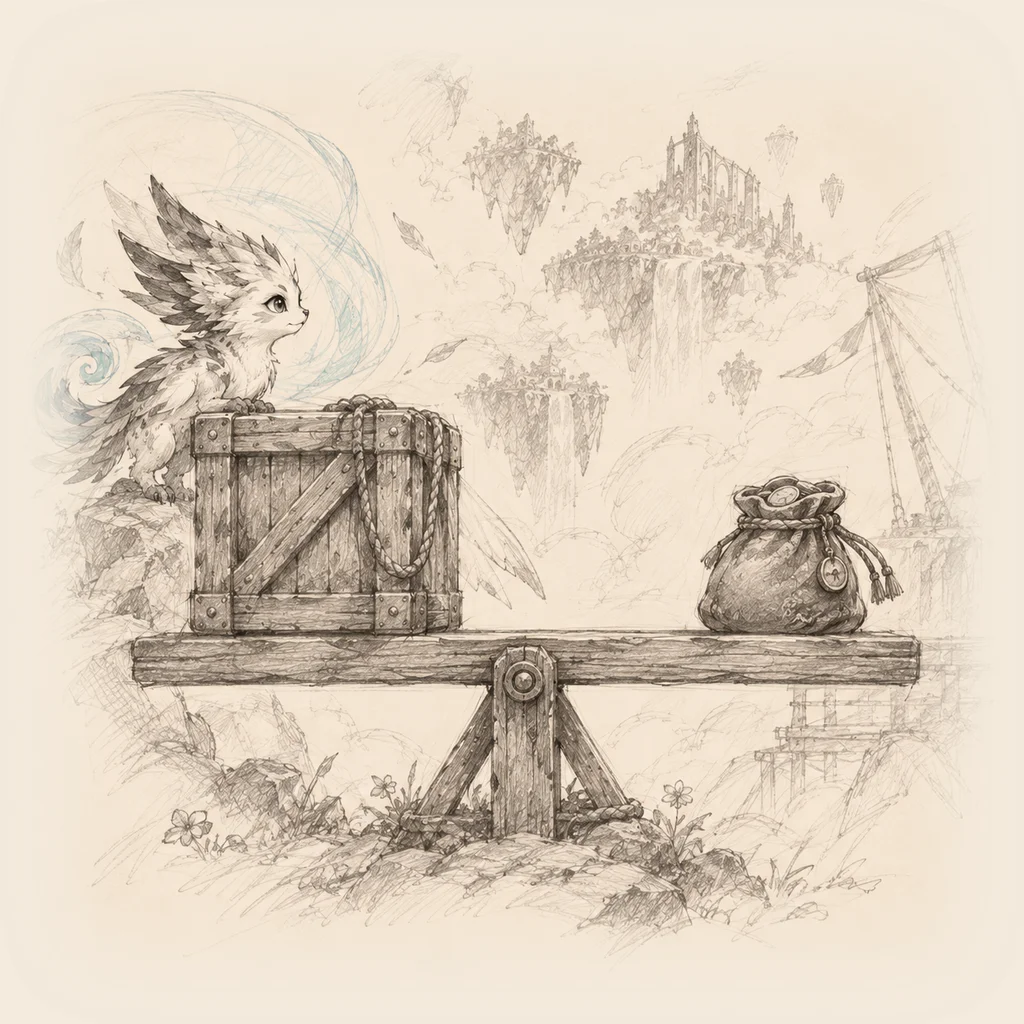
Supplies or coin?
Should a route supply materials, earn money, or let the player choose either role?
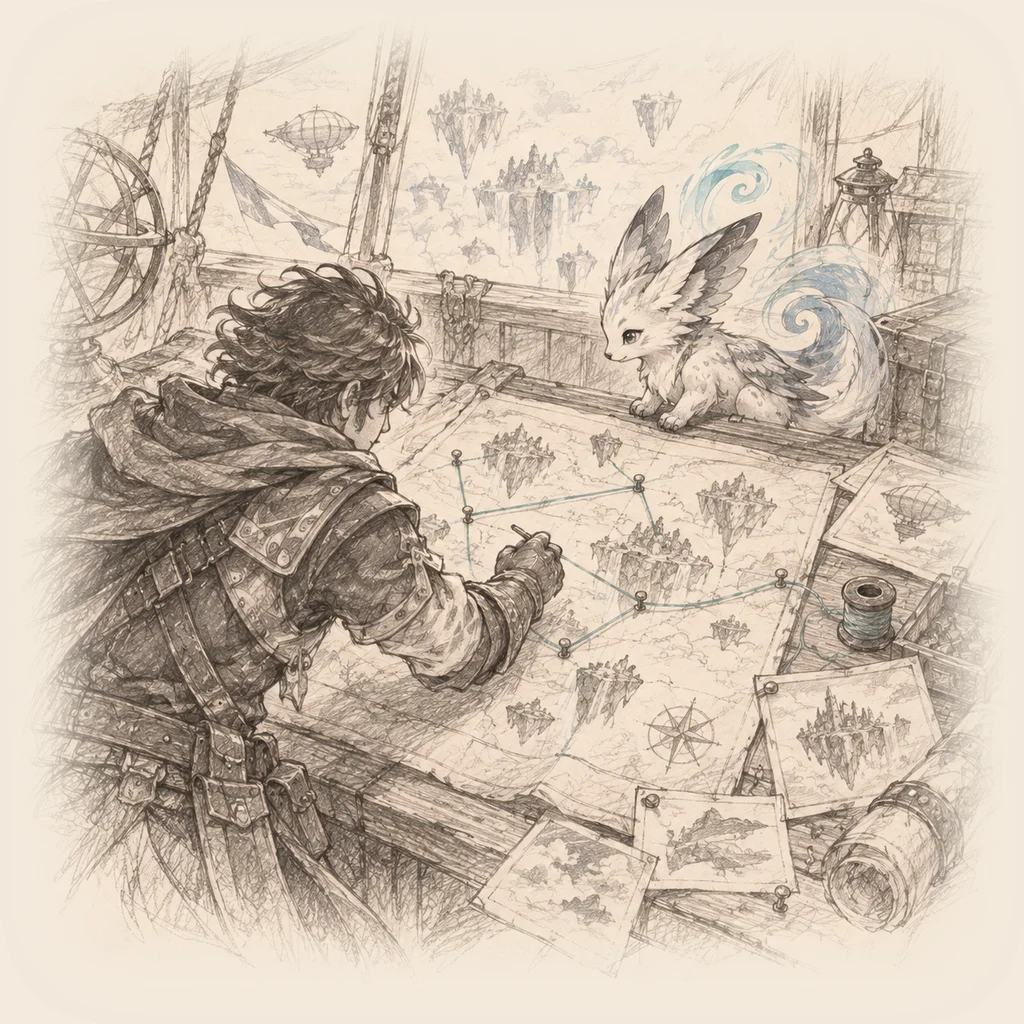
How much to configure
How much route configuration would you enjoy?
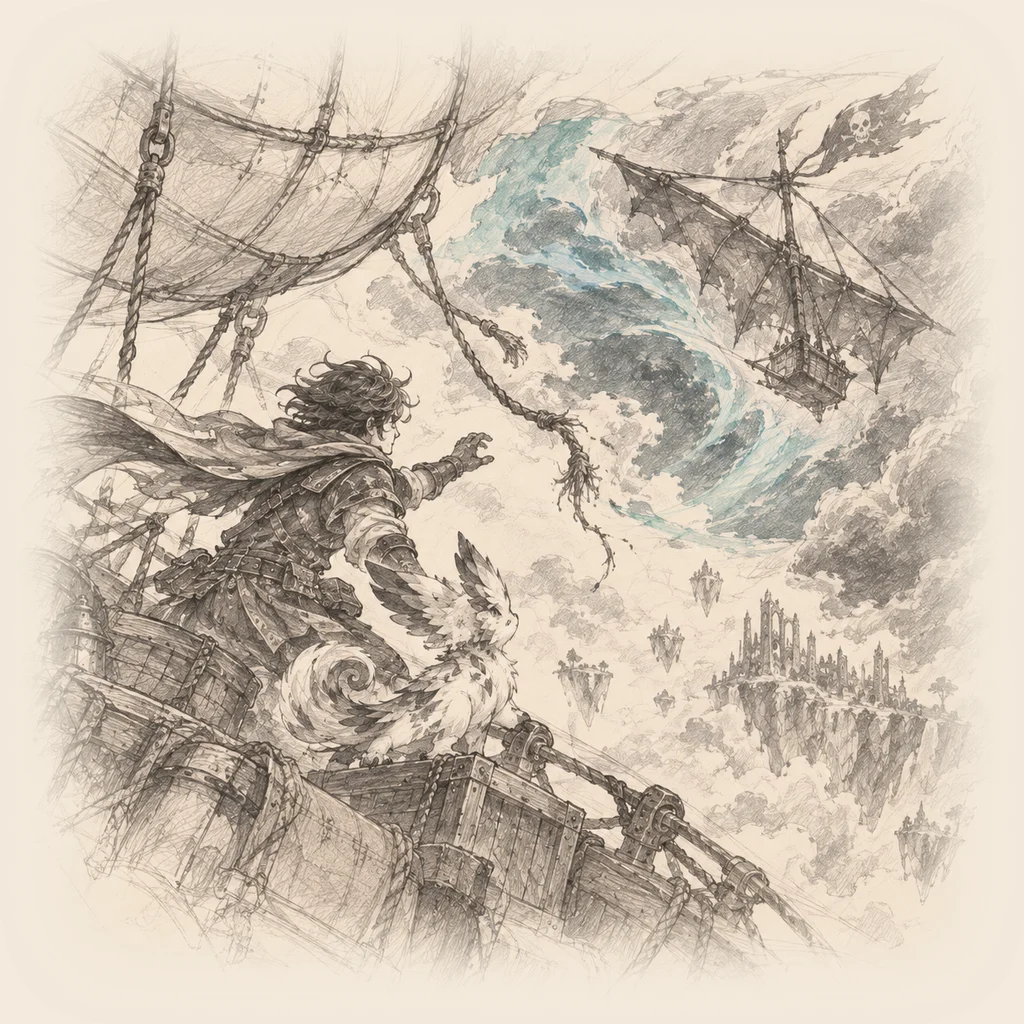
What threatens a route
What should block or threaten a route?
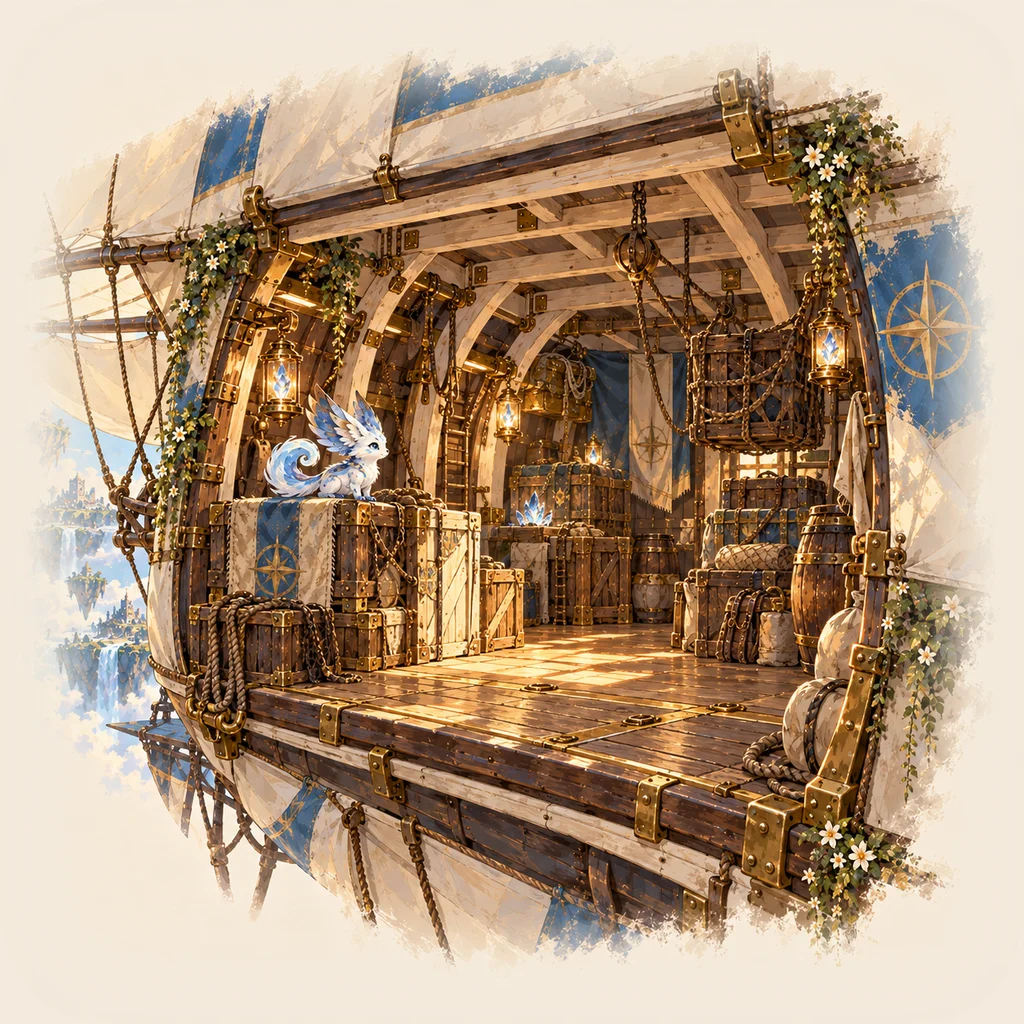
A bigger hold first
What is the first airship upgrade you want players to care about?
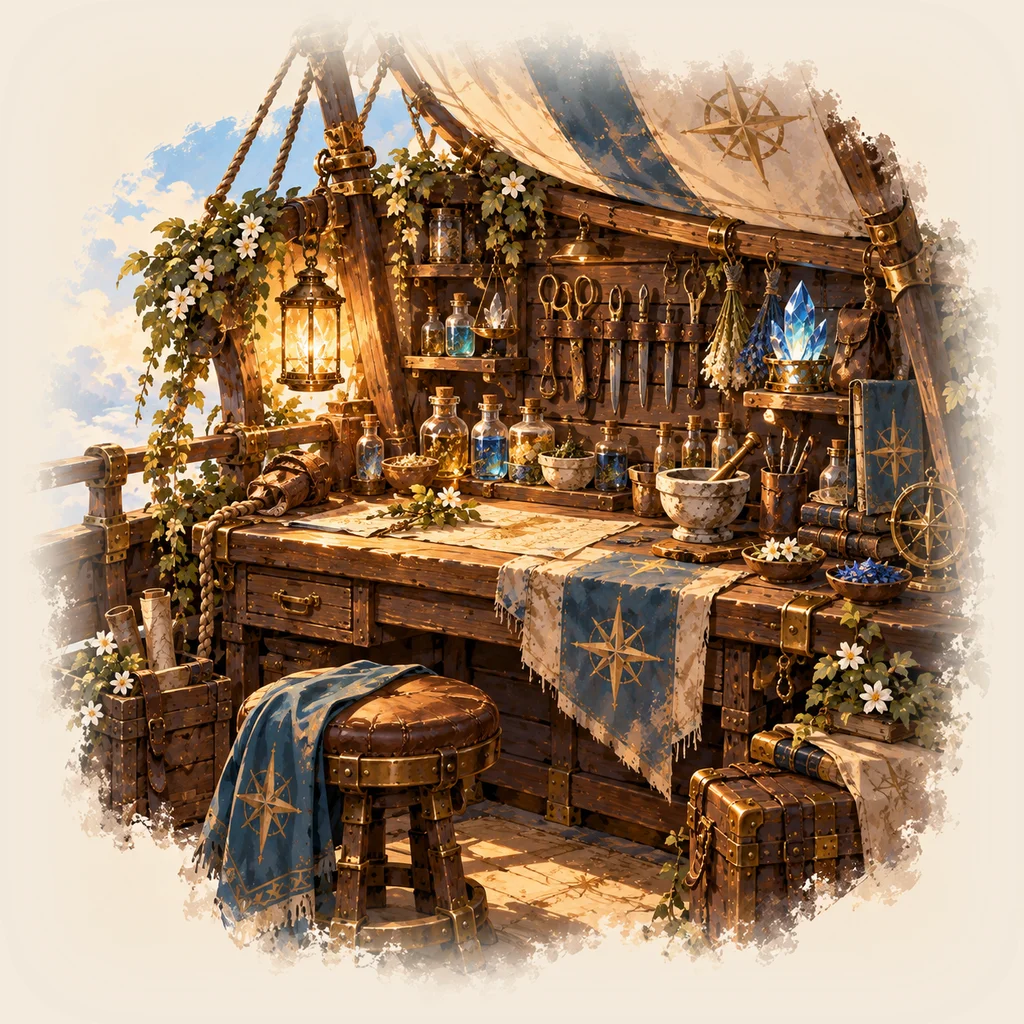
Stations for specialists
Should the player freely arrange the airship interior?
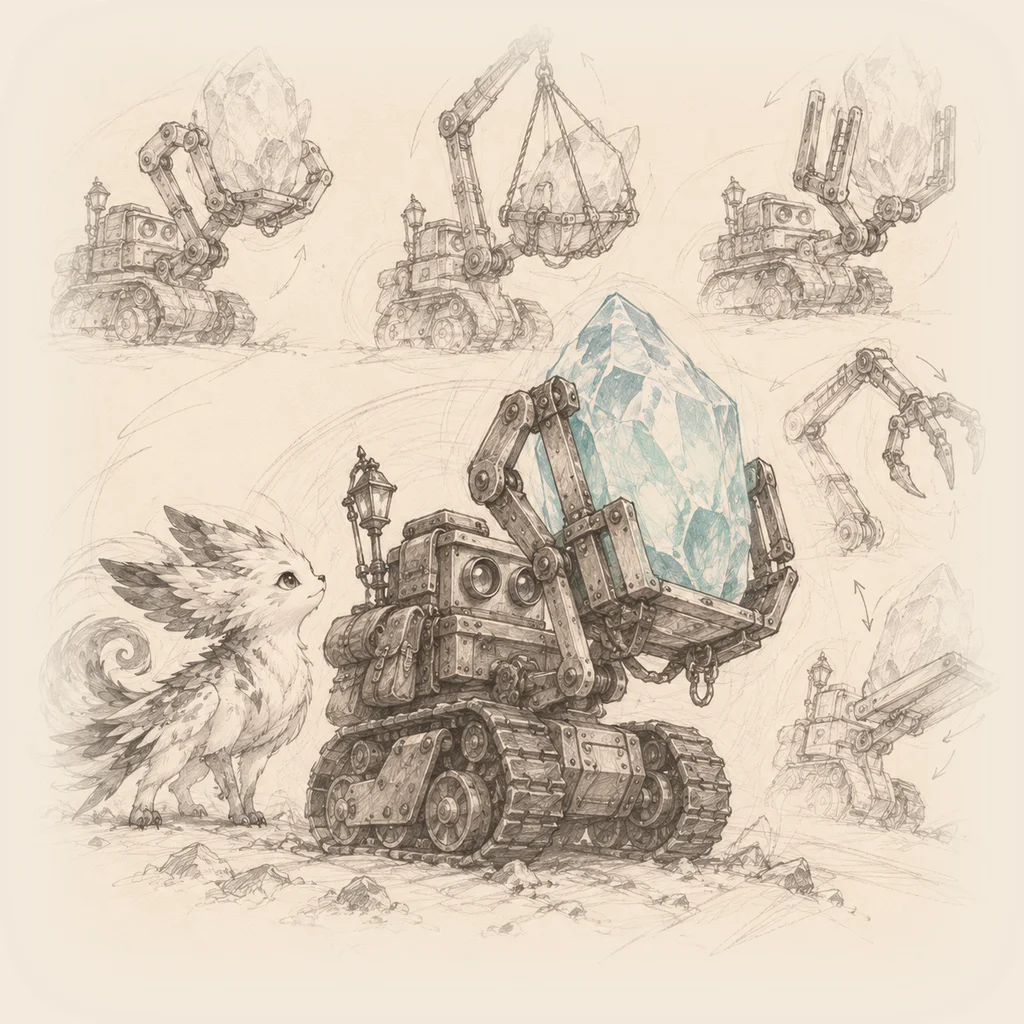
What the ship takes over
What should a well-developed ship let the player stop doing manually?
Chapter 10
Story & onboarding
Teach through doing. The first dungeon teaches movement, attacks and companion switching with minimal prompts, and permanent progression is discovered rather than front-loaded. After a failed run, the player returns no weaker than before: you can always come back to this world and make progress.
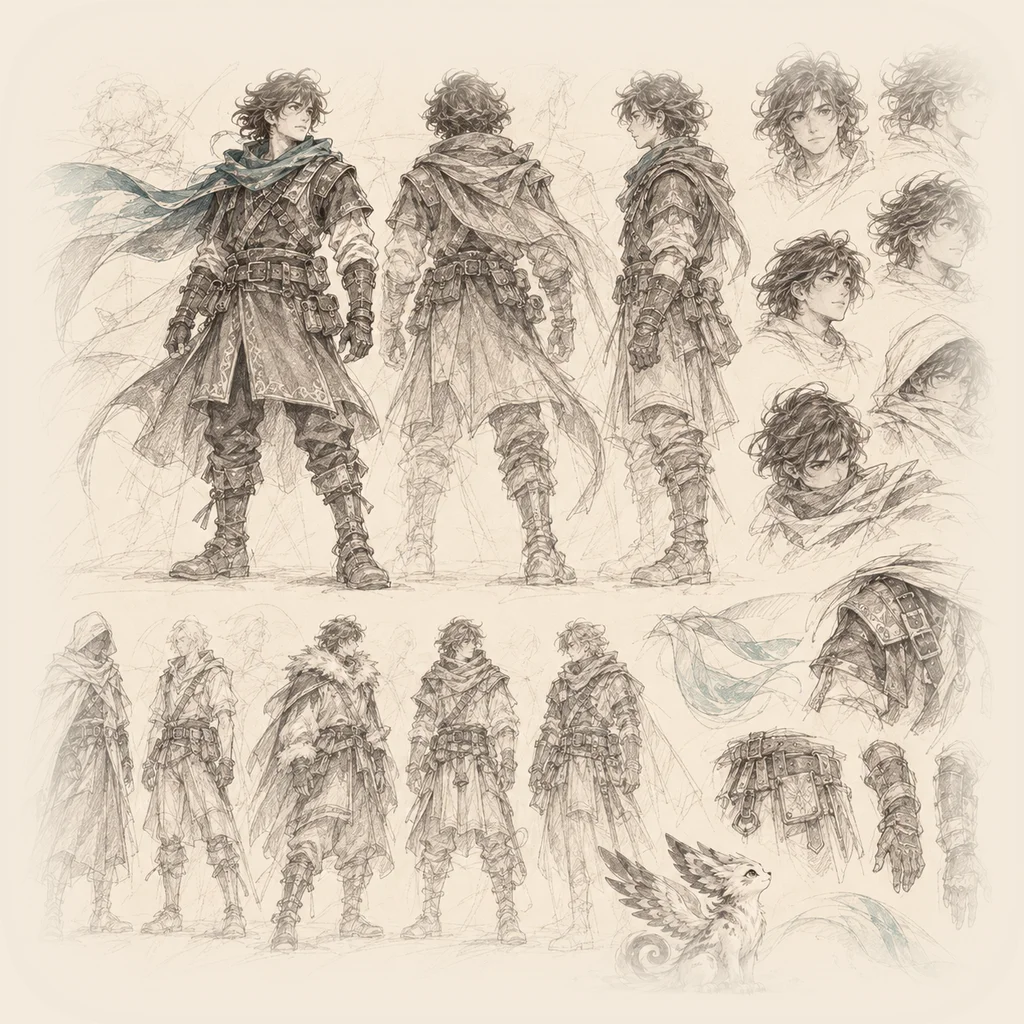
Who is the traveler?
Who is the protagonist, and should the birthday game's Noutin identity remain?
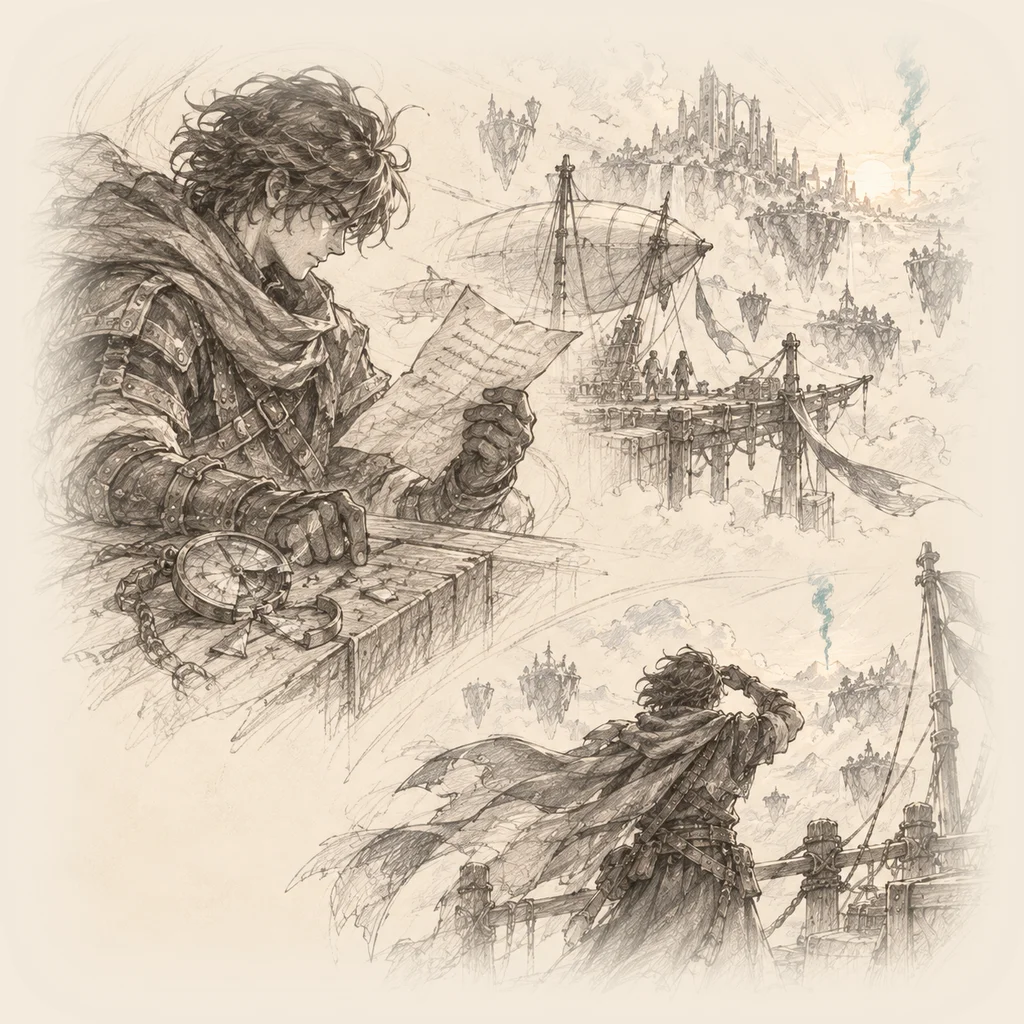
Why the journey begins
What starts the adventure and gives the first airship journey a purpose?

The larger goal
What is the campaign's larger goal?
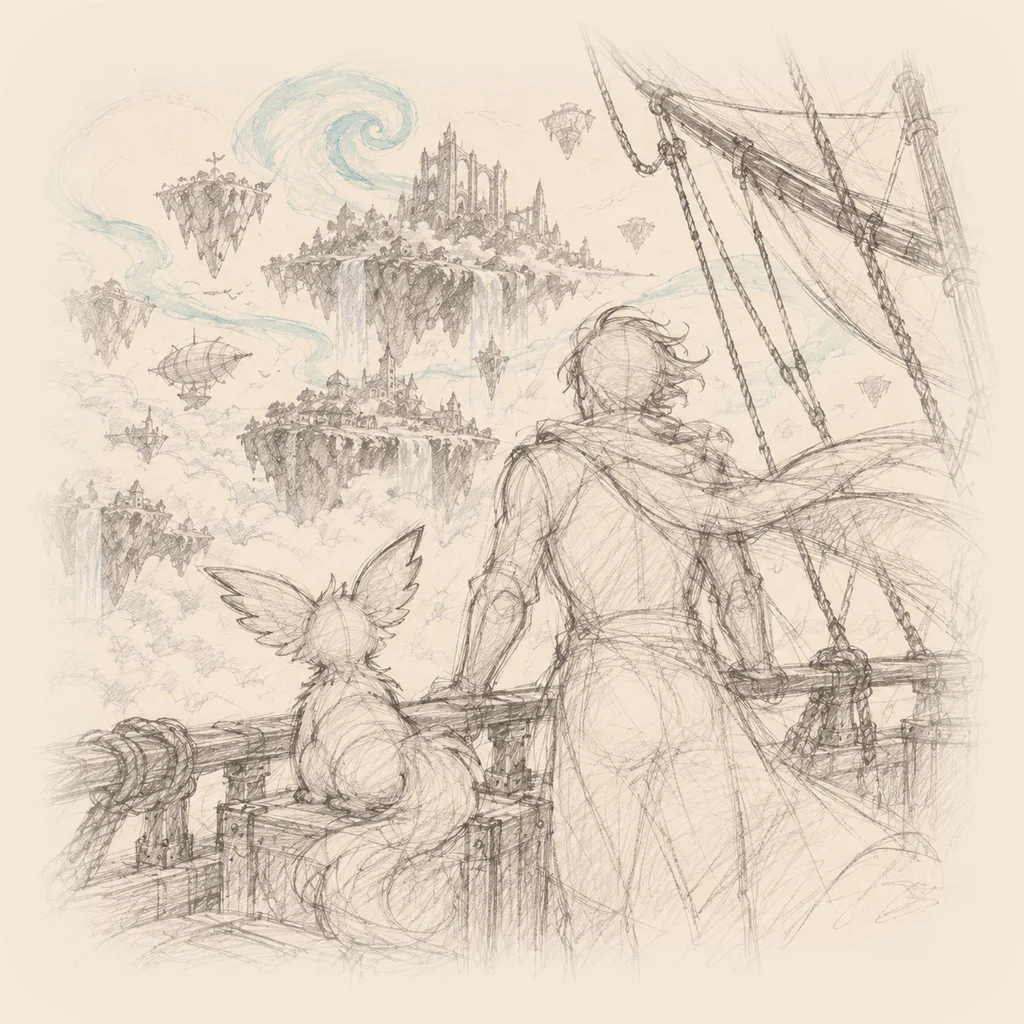
Mr. U and Bebop
What roles should Mr. U and Bebop have?
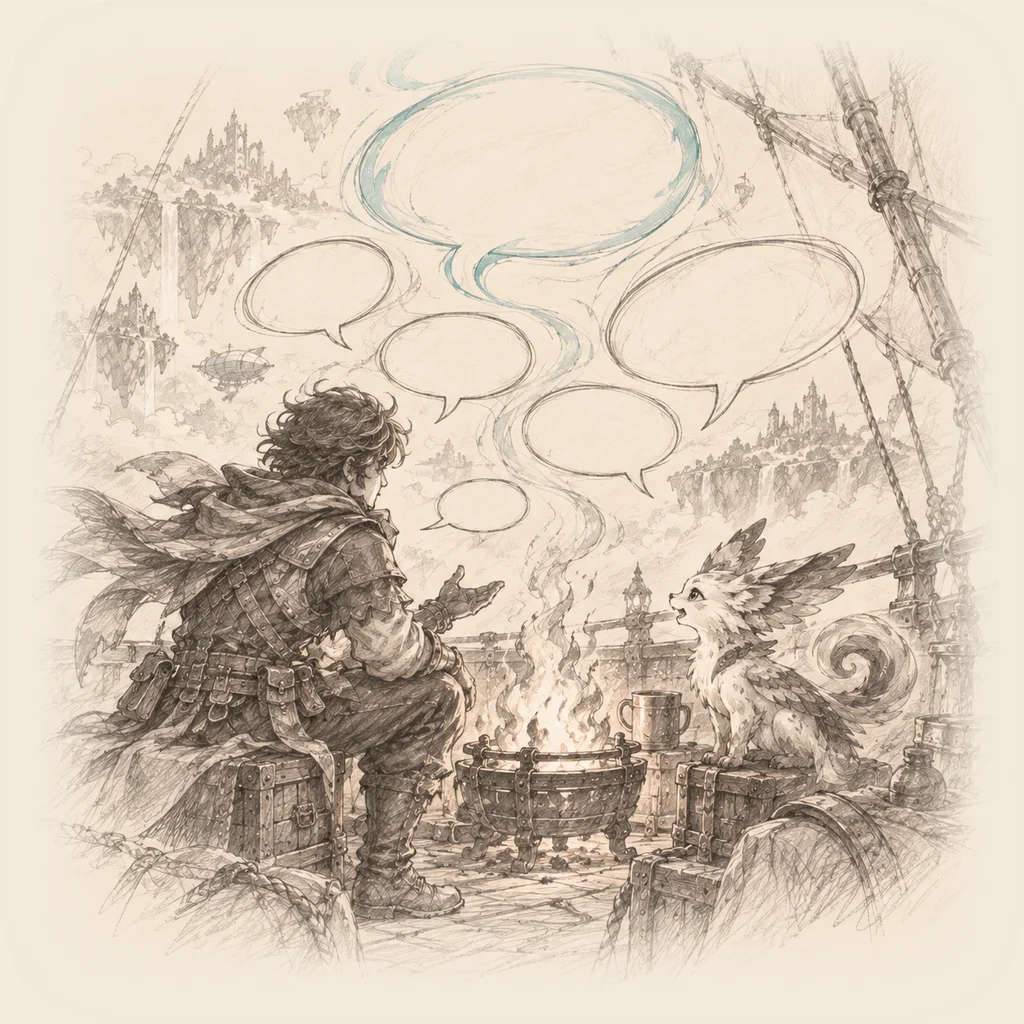
How much story, how often
How much story should interrupt or accompany ordinary runs?
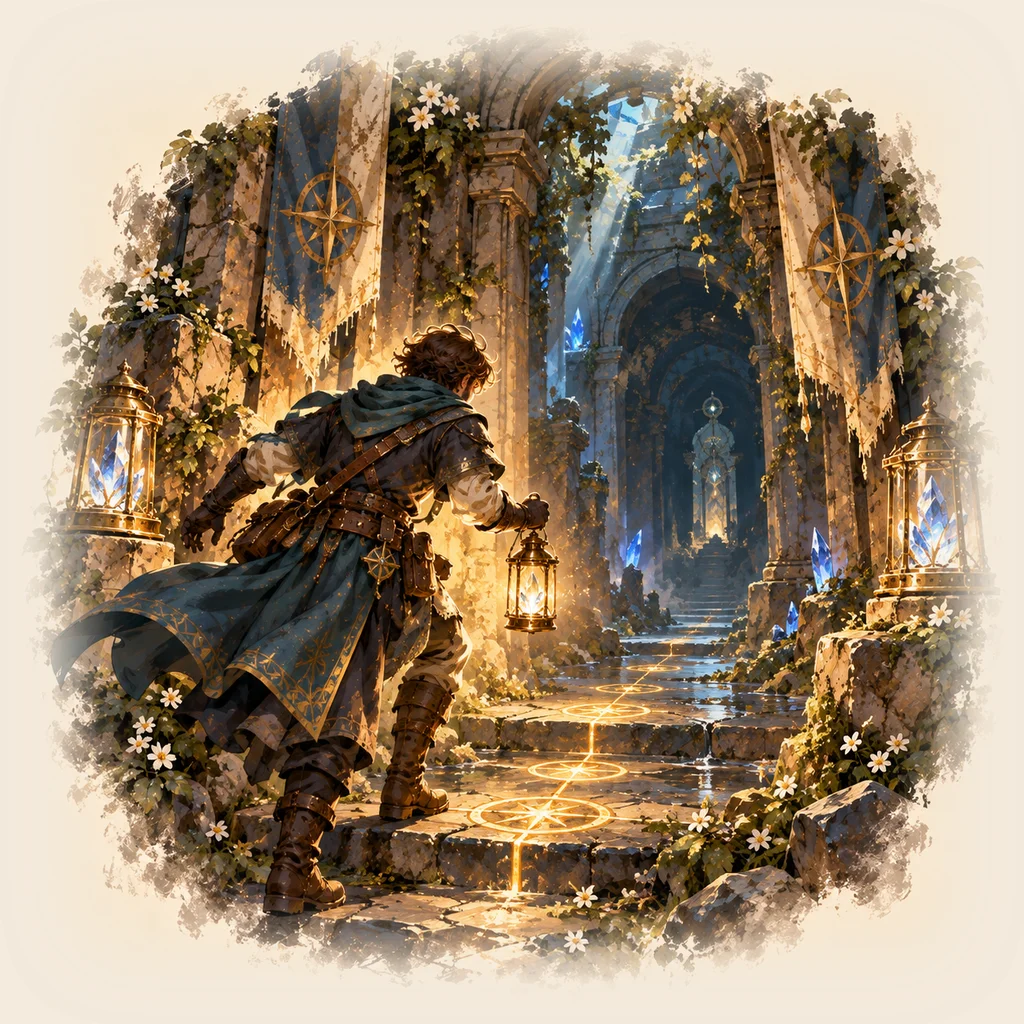
Learn by doing
What should the player accomplish in the first five minutes?
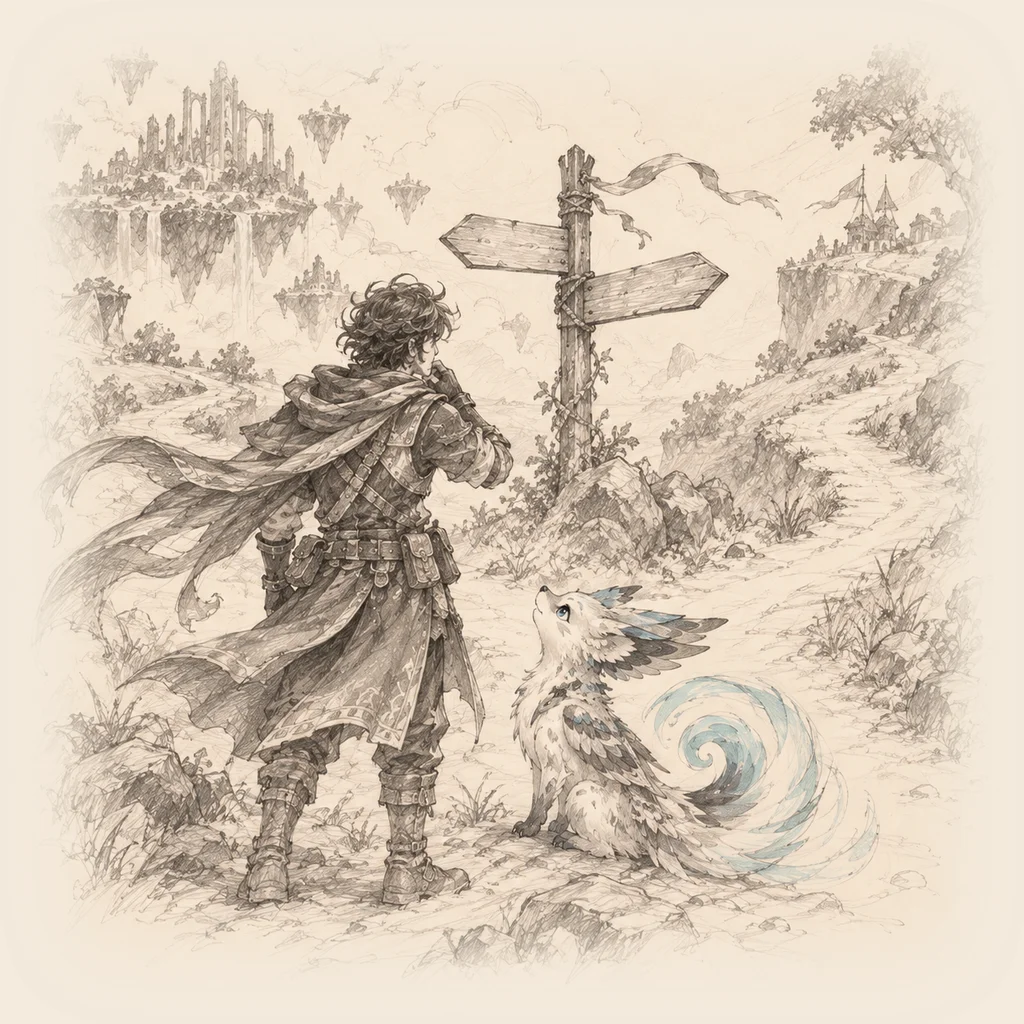
The first hard choice
What should be the first meaningful choice with no obviously correct answer?
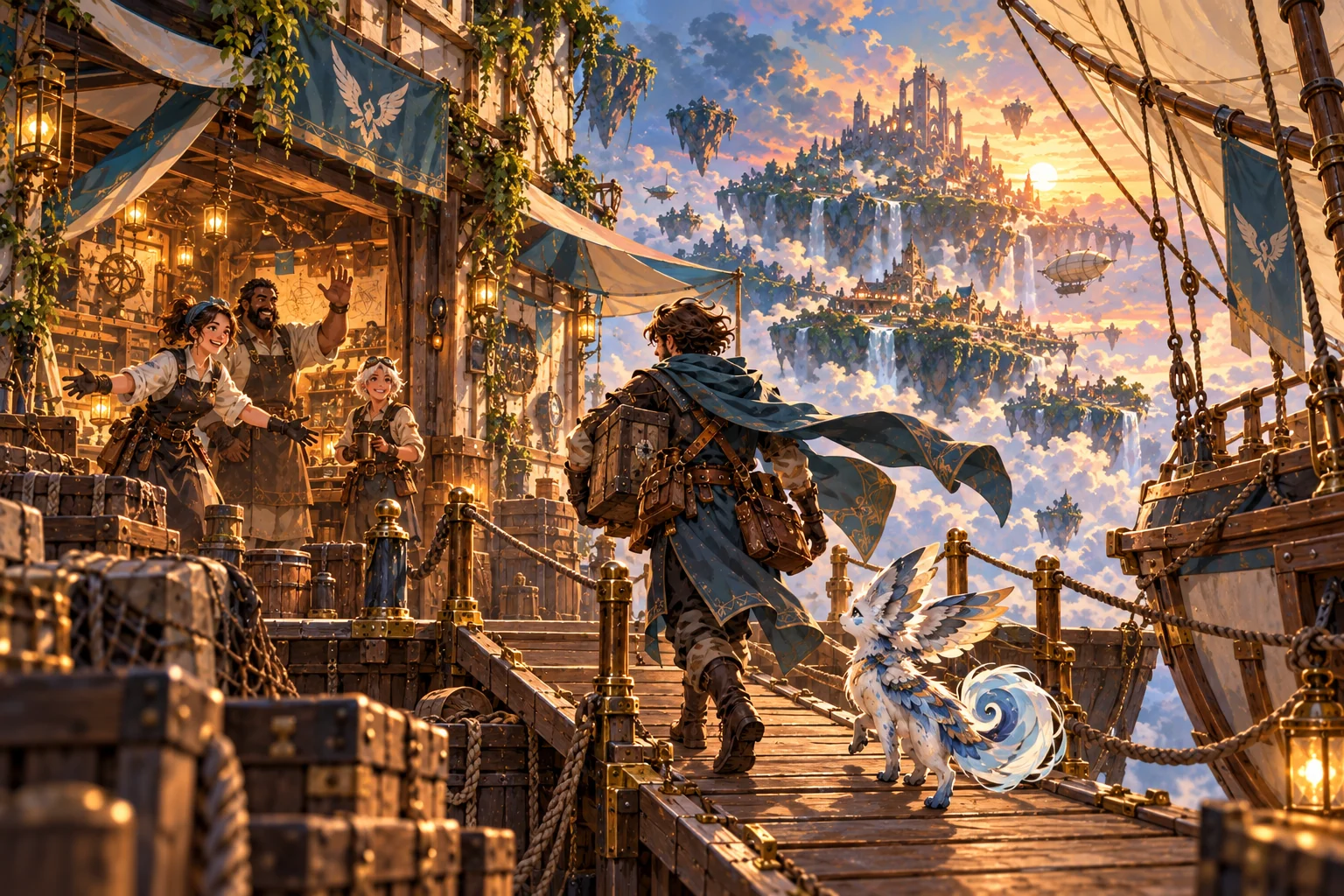
You can always come back
What should make returning home after a failed run still feel worthwhile?
Chapter 11
Art, sound & access
Accessibility is always available and never costs loot: text size, control remapping and color-vision support. Cozy mode adds separate percentage assists, such as enemy speed and damage, which may affect rewards.
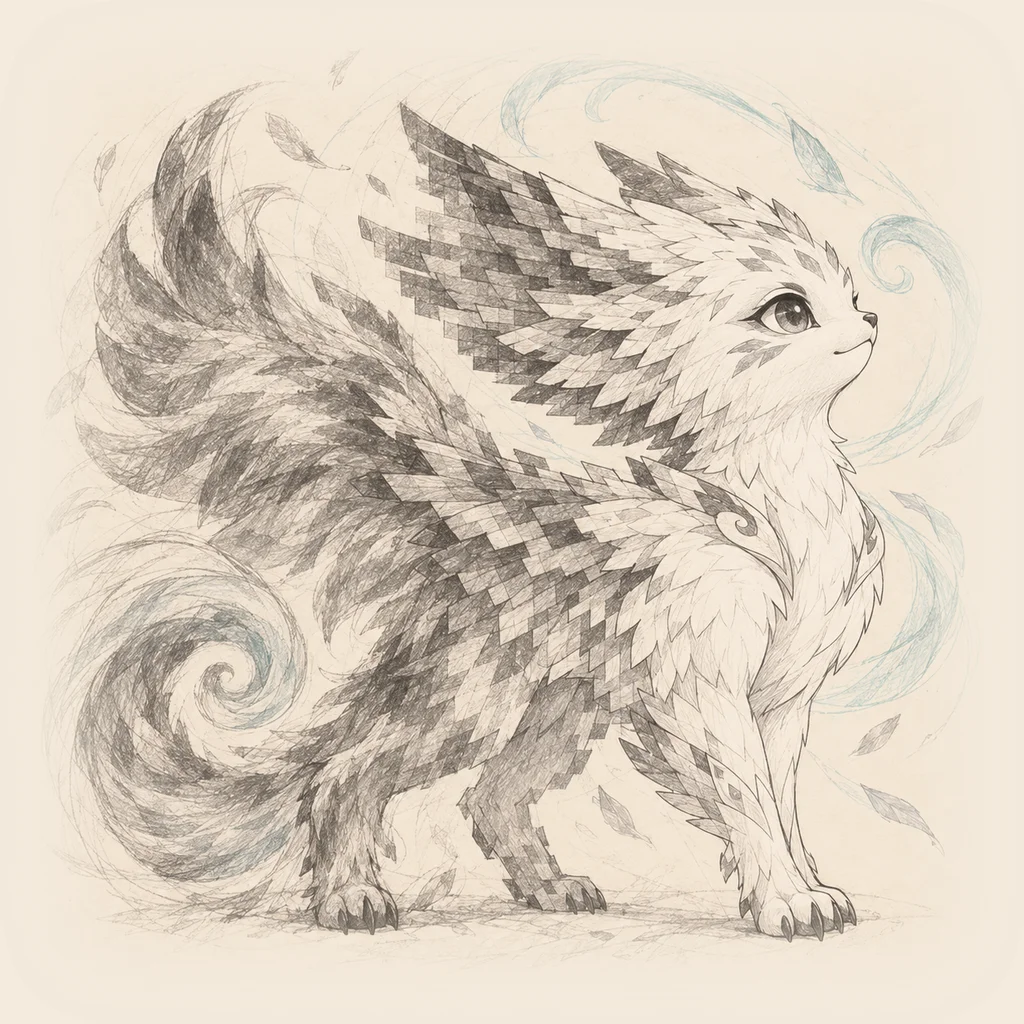
The shared visual style
What visual style should the whole game share?
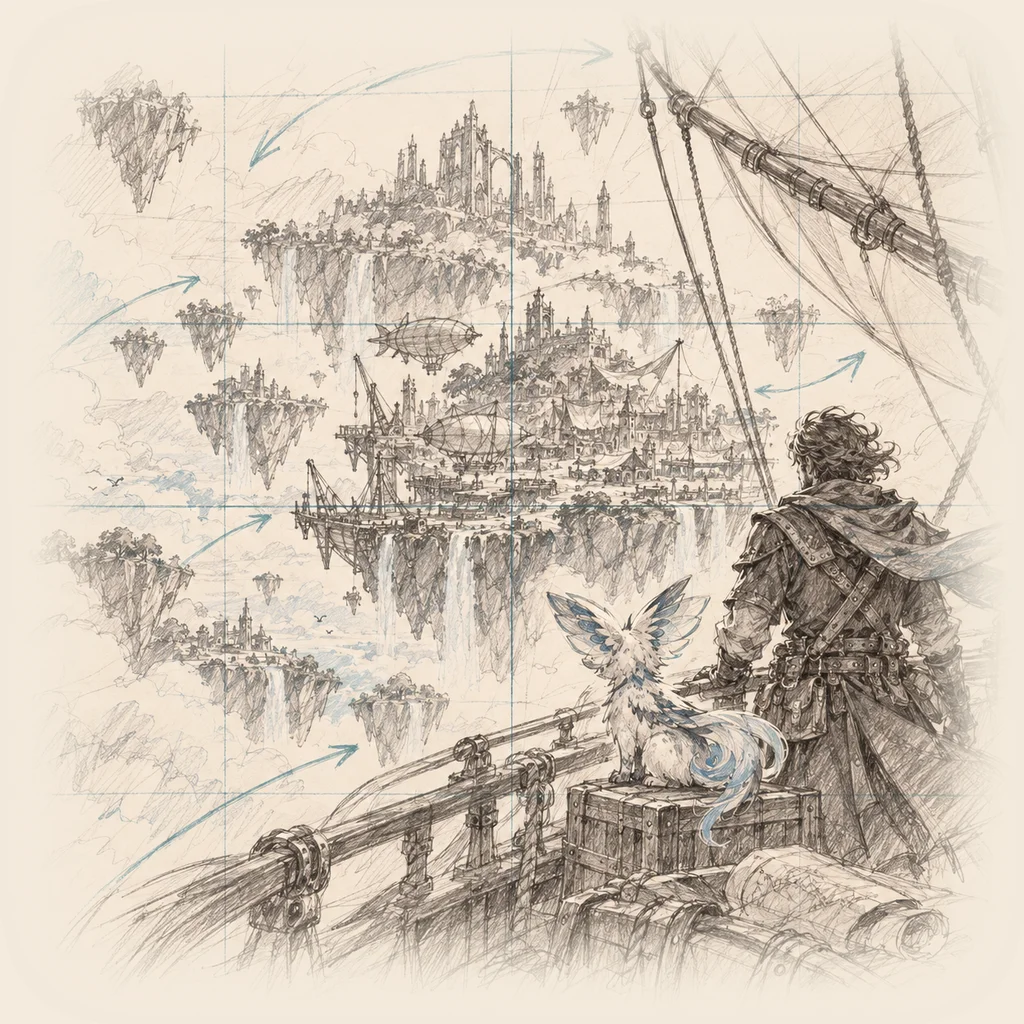
One frame that says Galespun
What must the first identity concept show in one frame?
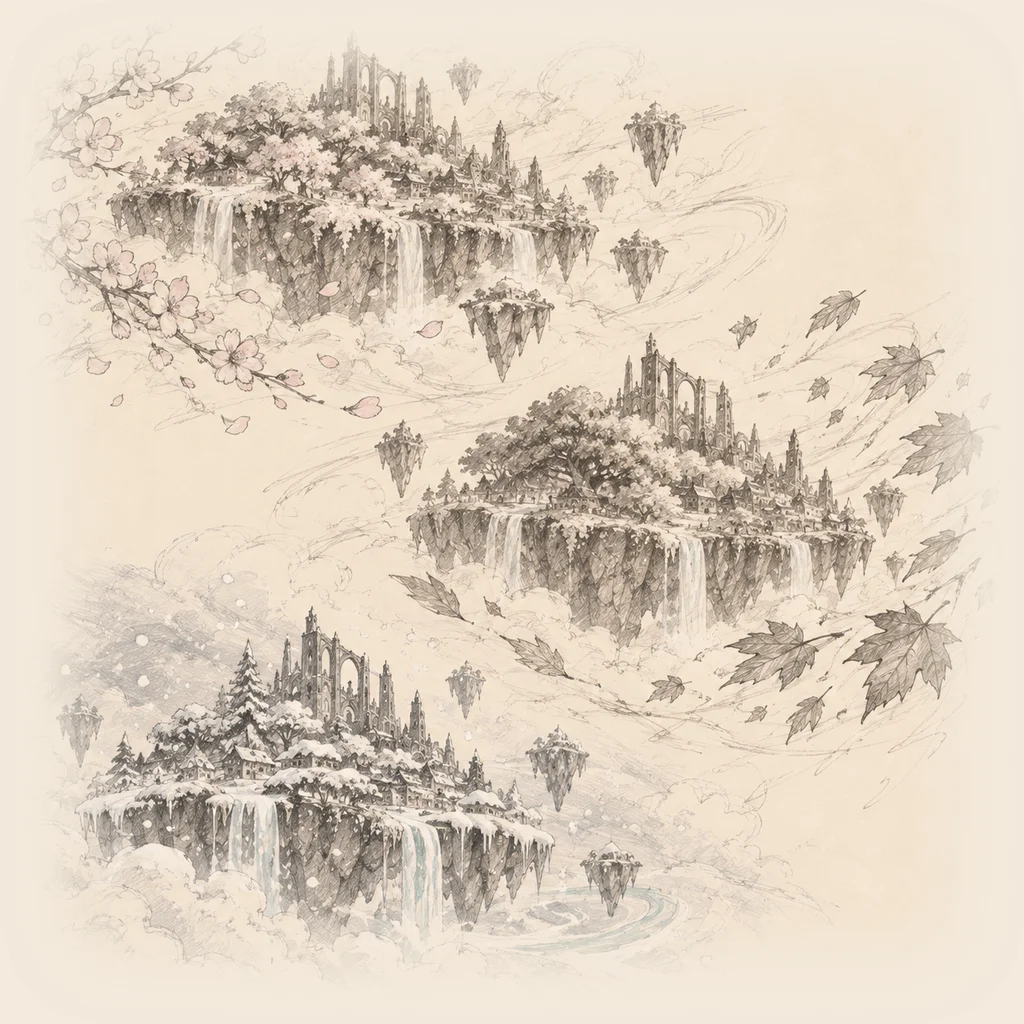
Seasons, beyond colour
What should make spring, autumn and winter feel distinct beyond their palettes?

Existing creature art
How much of the existing creature artwork should we preserve?
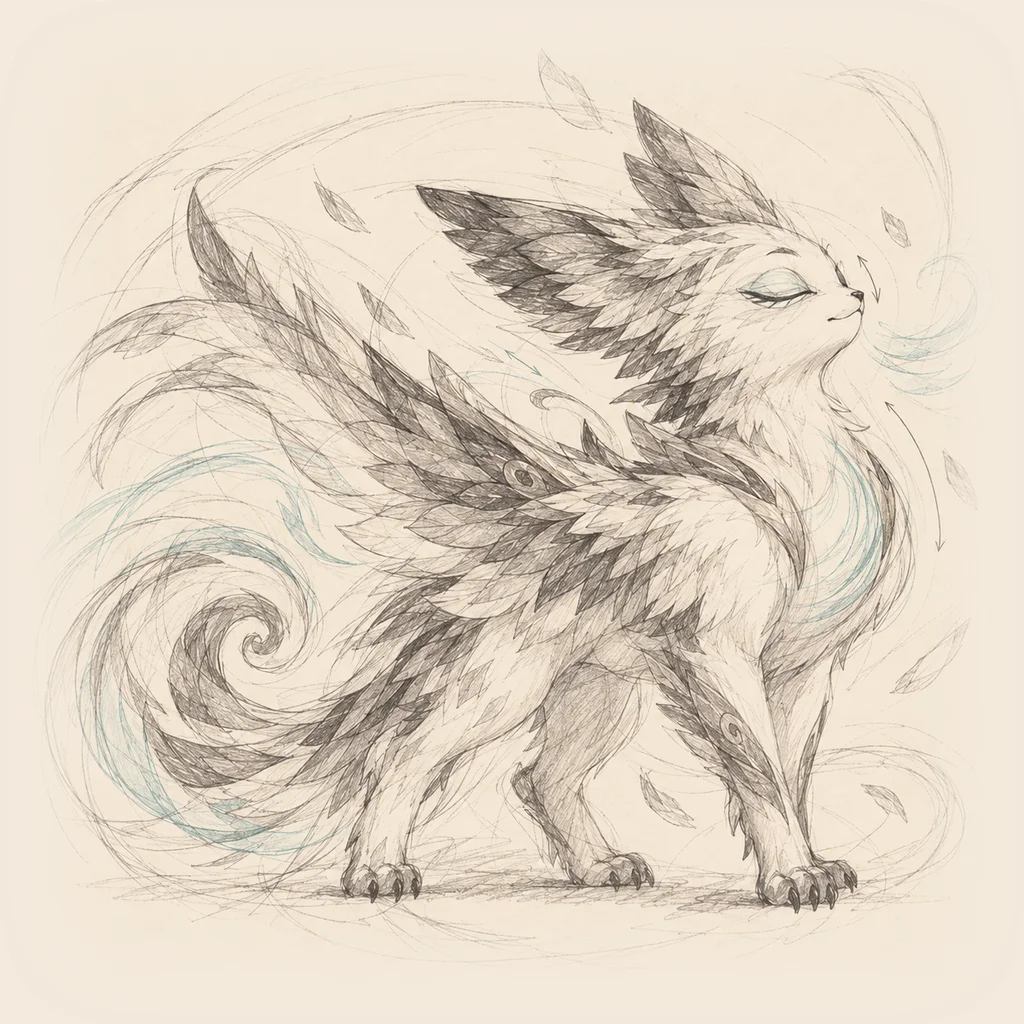
The first animation test
What character or asset should be the first GPT Image 2 animation test?
How the world sounds
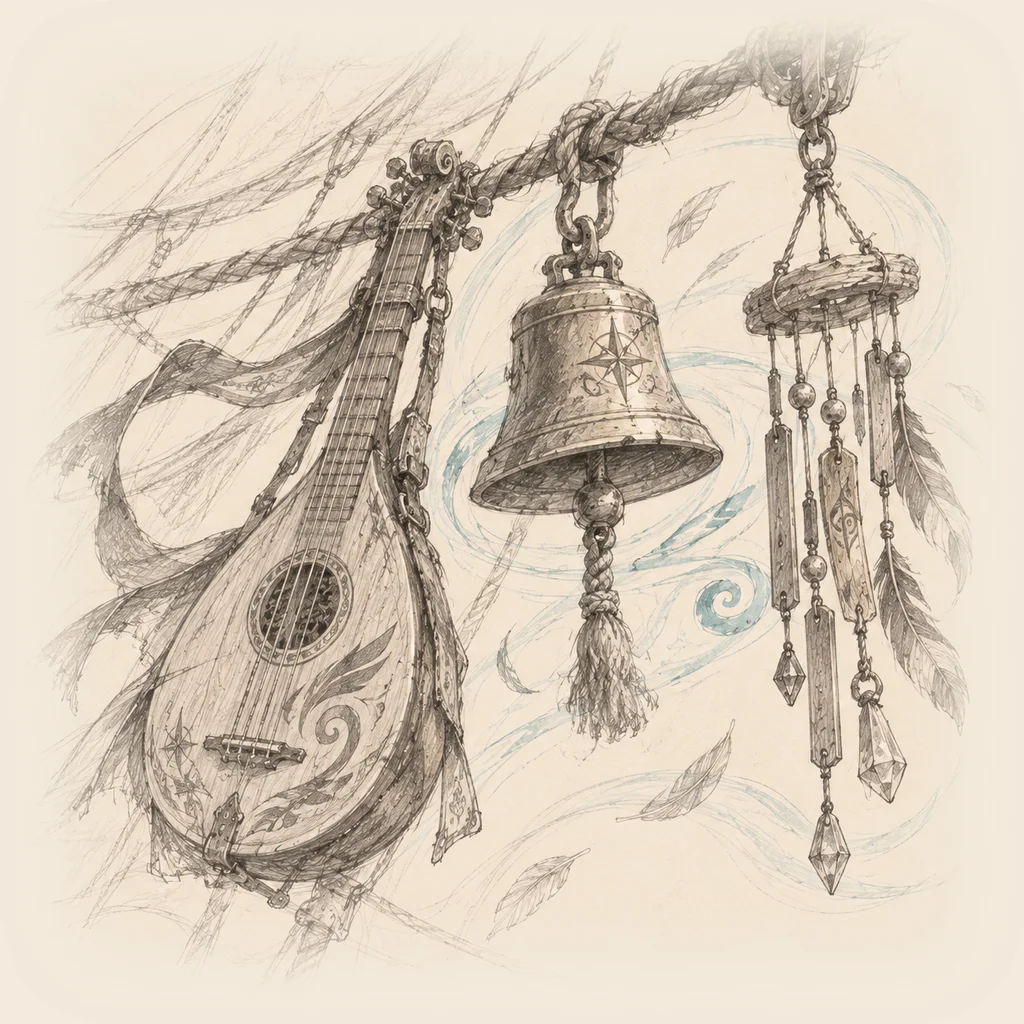
What should music and sound make the airship, combat and markets feel like?
Comfort that never costs loot
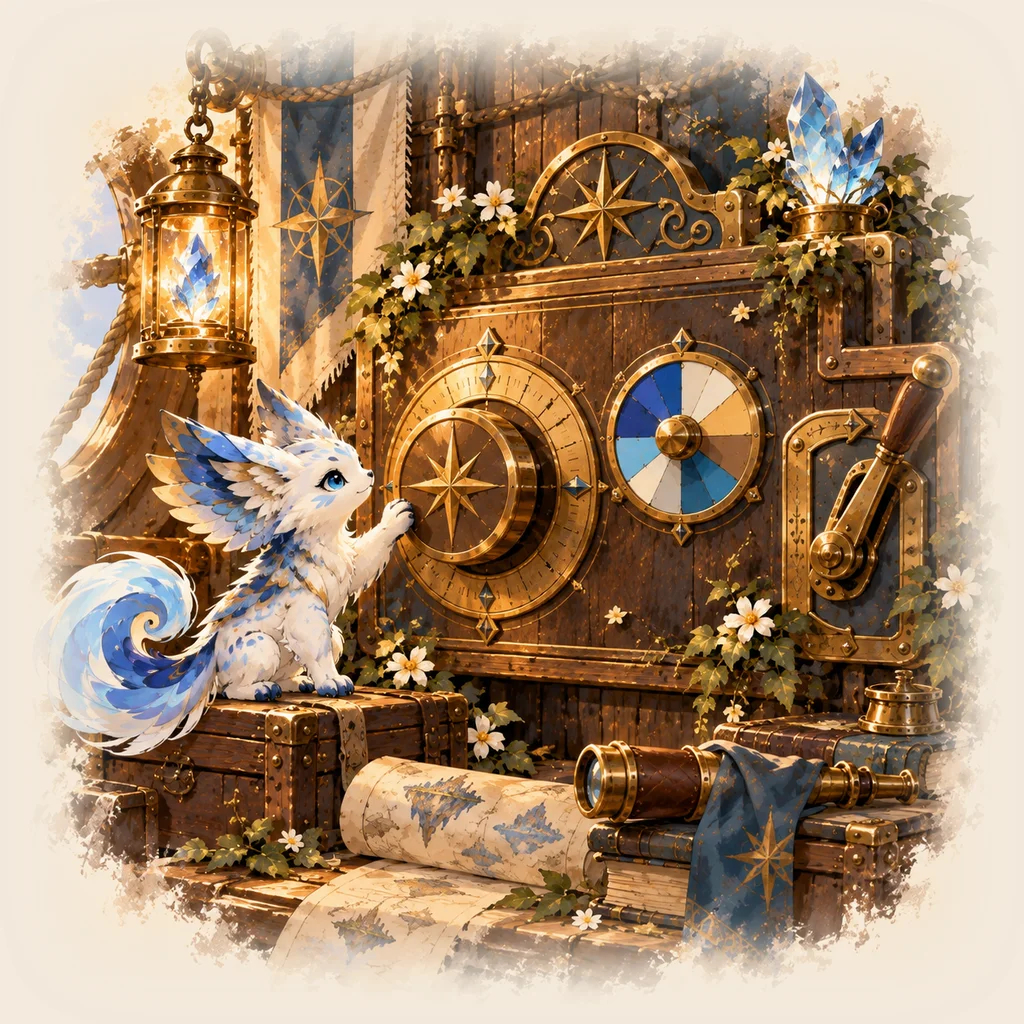
Which accessibility or comfort features are essential for your intended players?
Spectacle that stays readable
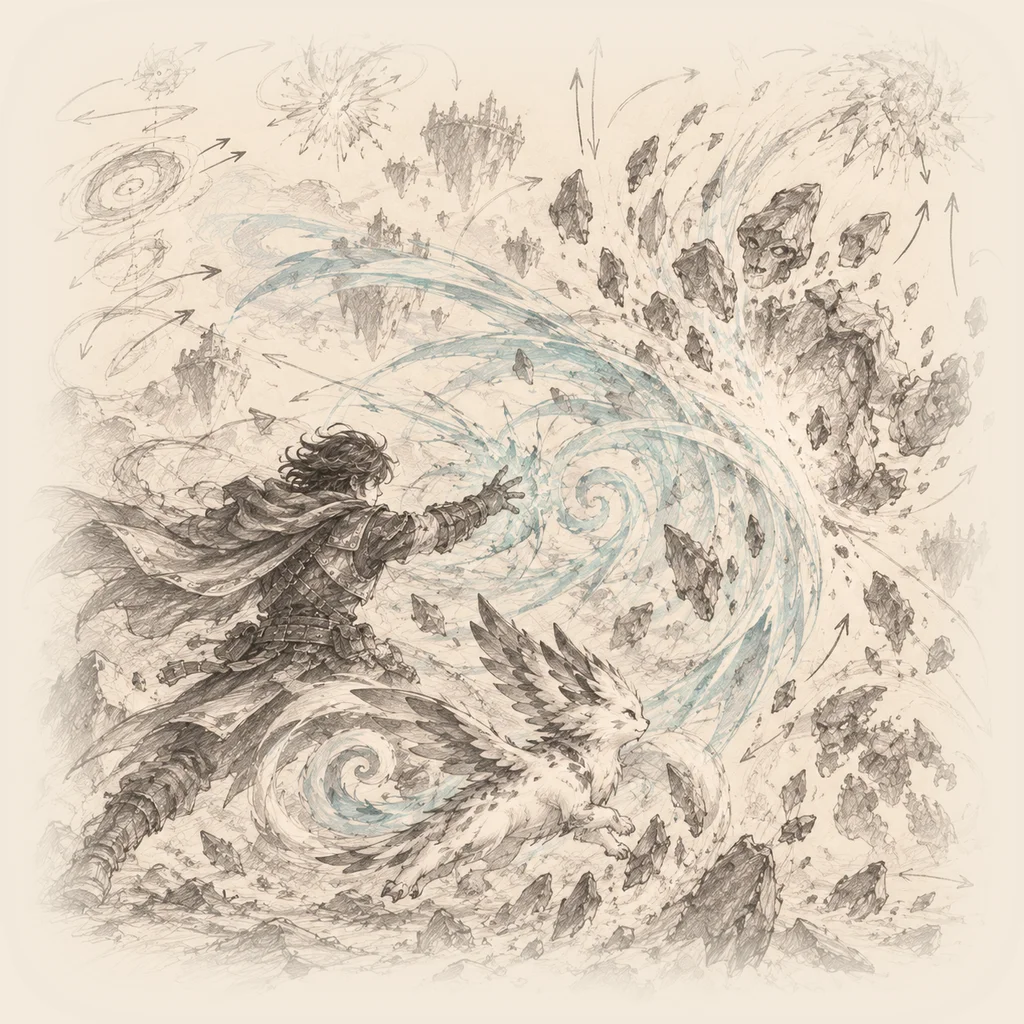
How much spectacle is enjoyable before it hides what is happening?
Chapter 12
Saves & first release
The vertical slice ends when the newly found companion is bonded. The full game can reach a clean credits moment followed by an endless post-credits mode. Playtests are short and frequent, followed by five simple questions. Cut system complexity before the core loop; one representative interaction can prove a system.
Where you can stop
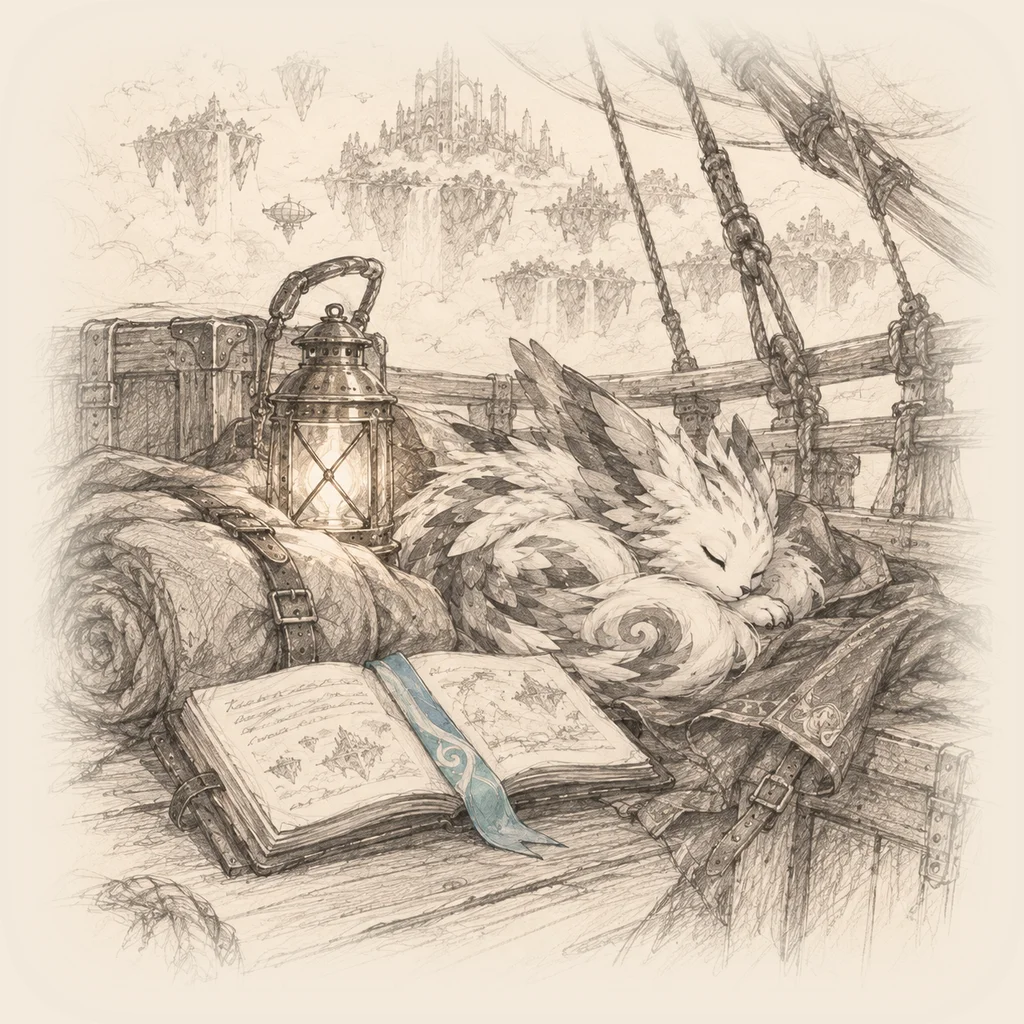
Where should a player be able to stop and resume safely?
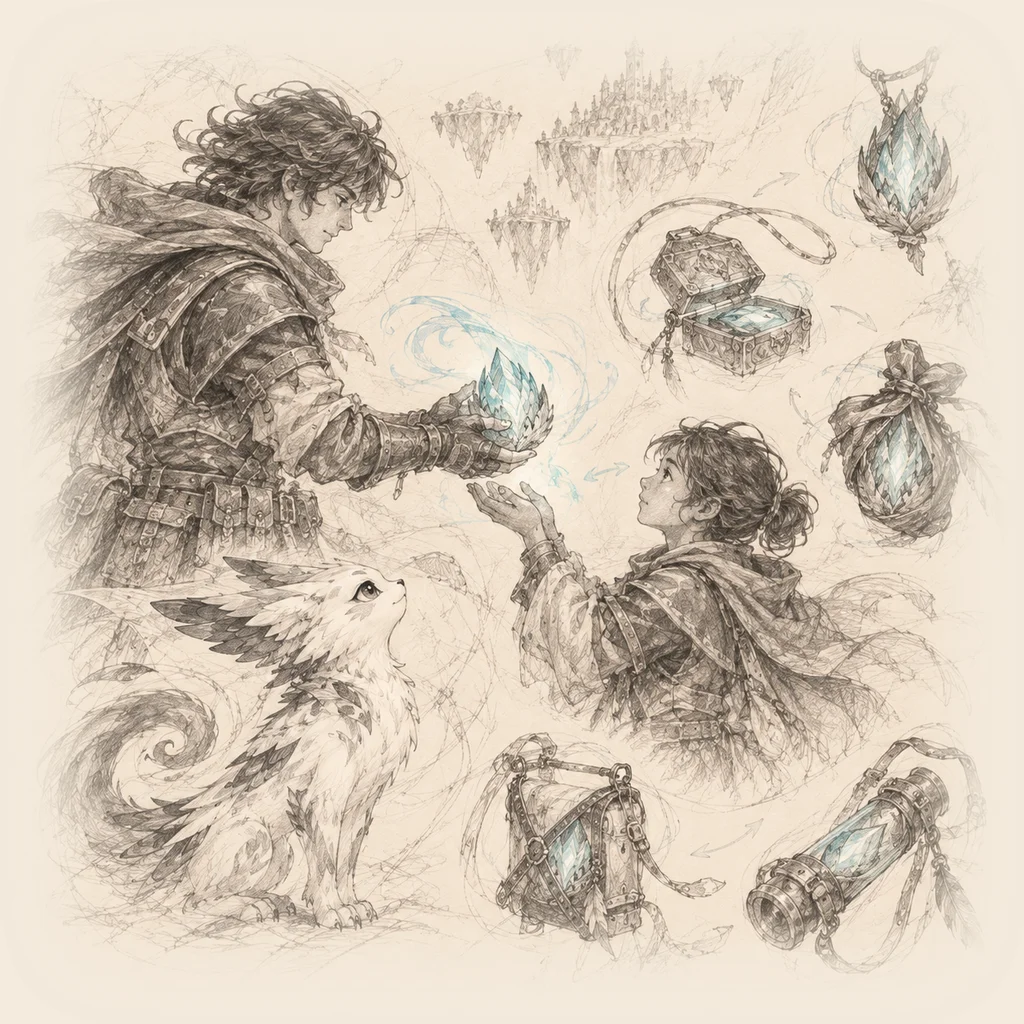
Moving a save
How important is moving a save between Mac, browser and iPad?
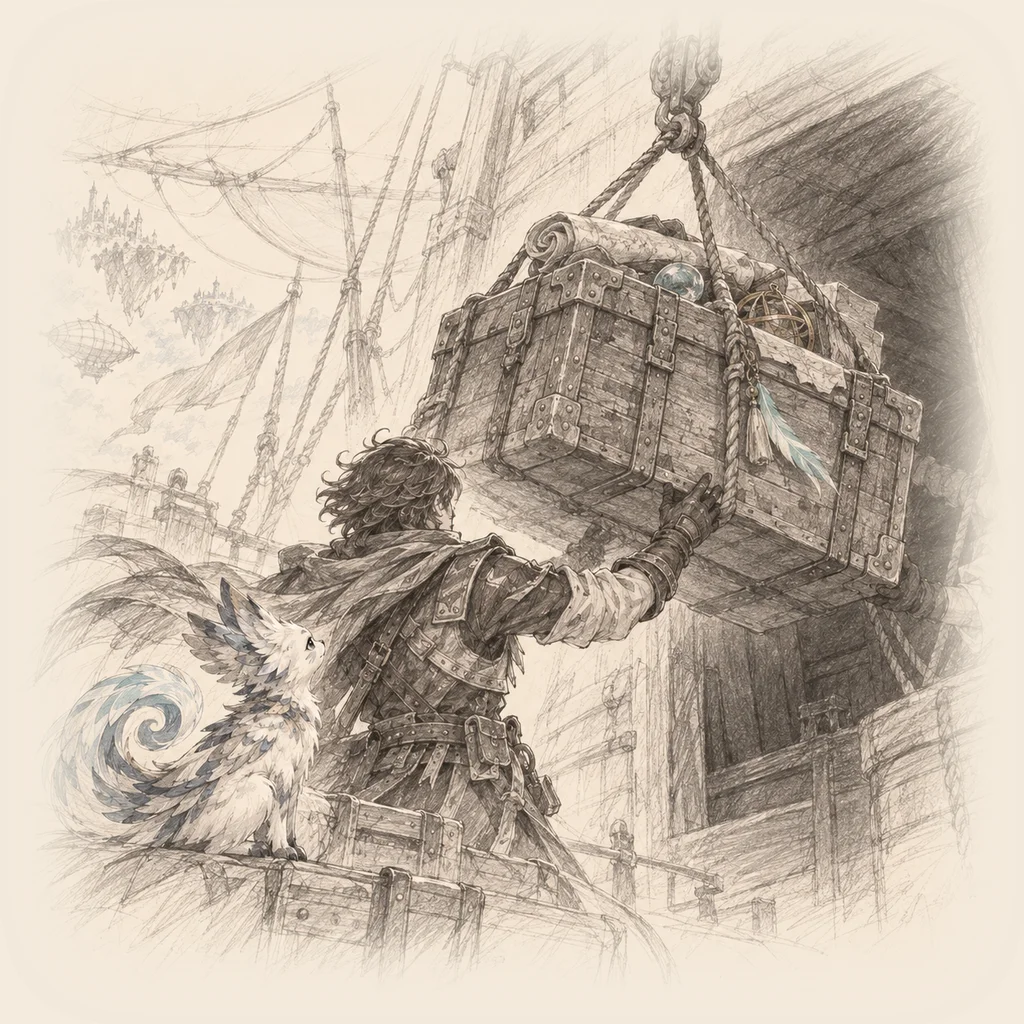
What carries over
What existing birthday-game progress must survive into the new game?
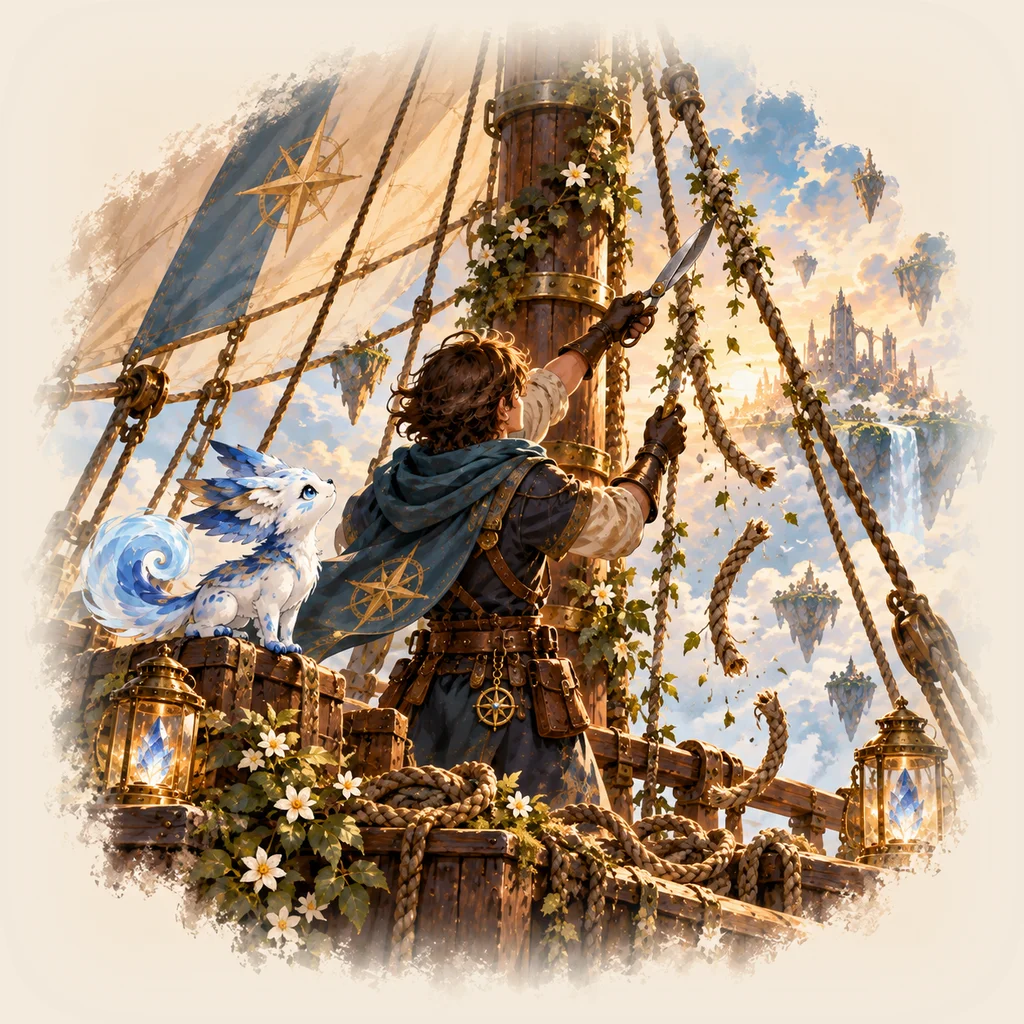
Cut complexity, not the core
Which three features could we postpone without damaging the first version?
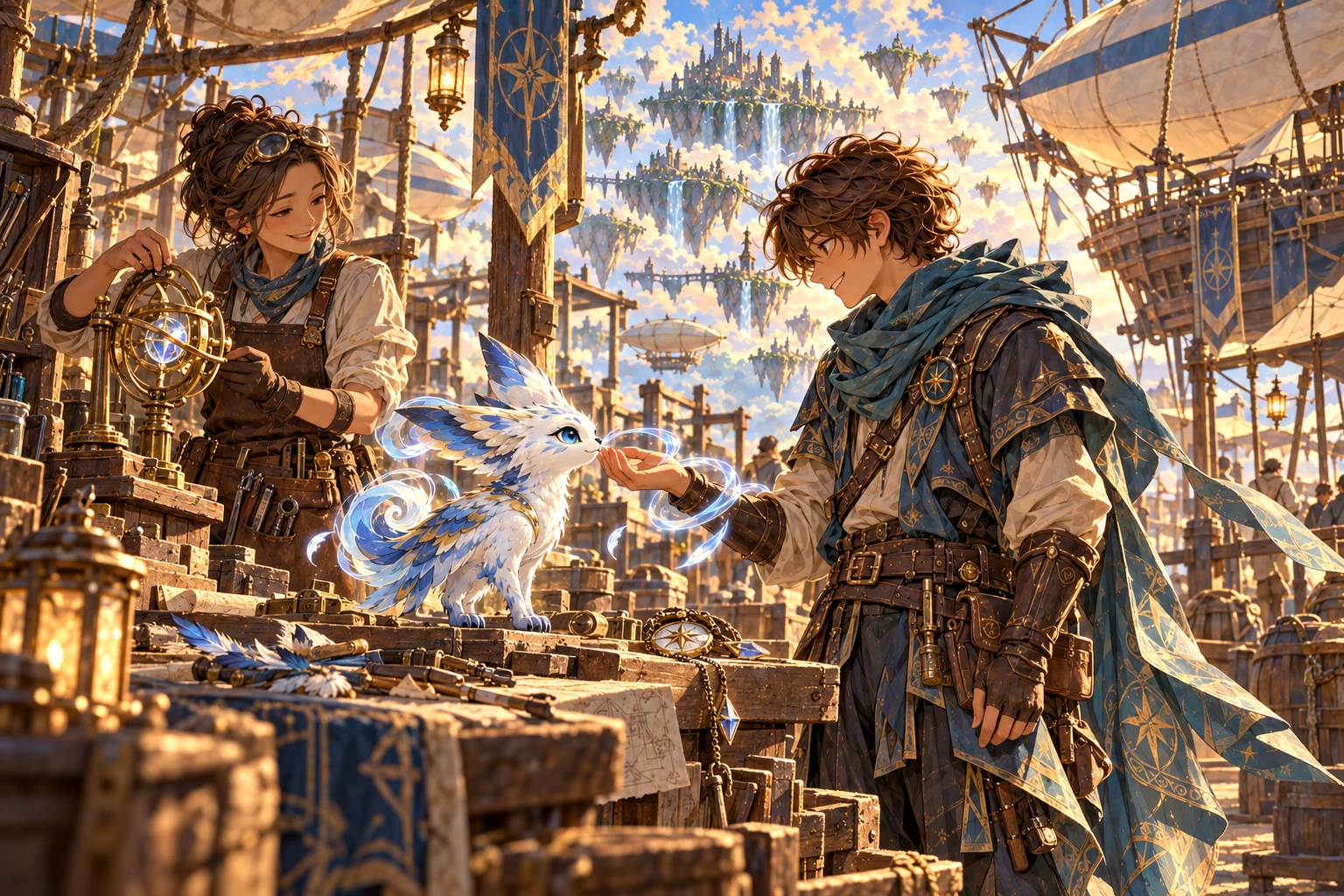
A bond, then the credits
What is the first version's ending or satisfying completion milestone?
What we watch for
Who should playtest first, and what would you want to observe them doing?
When to simplify
What would convince you that one of the major systems should be simplified or removed?
Why we build it
What important idea have these questions failed to ask about?
Chapter 13
Merchant, map & city
Cities stay functional and readable at first, differentiated by shops, services and outposts. The first town needs a quest source that leads to a dungeon; the second needs an NPC who receives the quest item and helps bond the new companion.
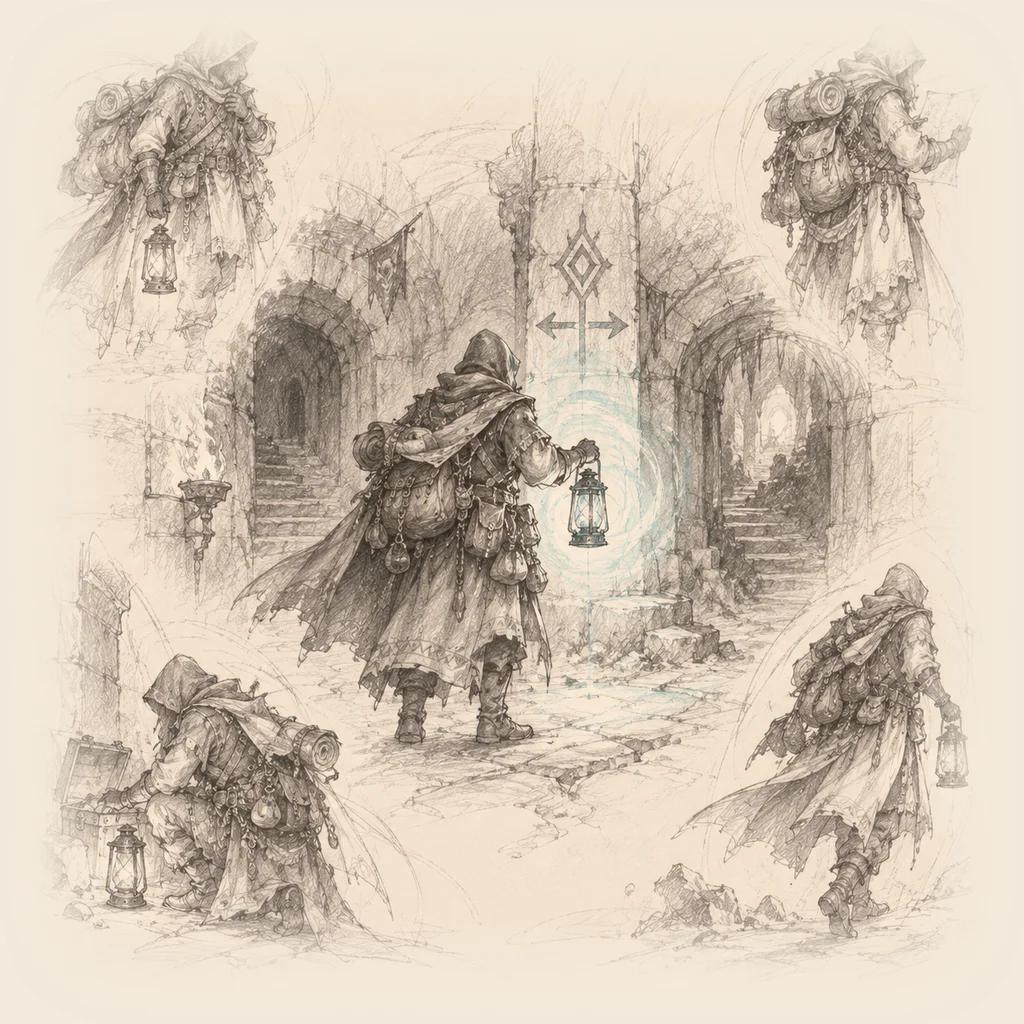
When the merchant appears
At which points should the dungeon merchant appear?
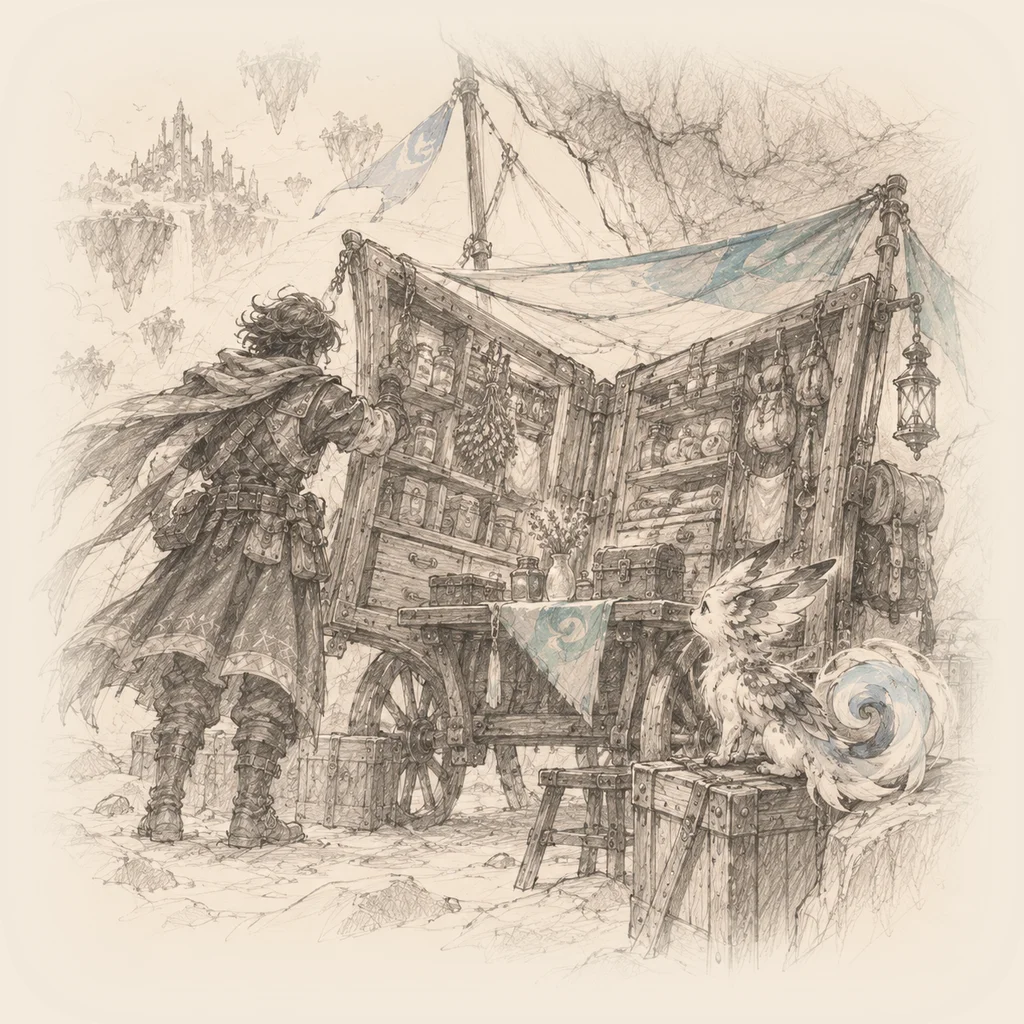
Entering the shop
How should the player enter the merchant's shop?
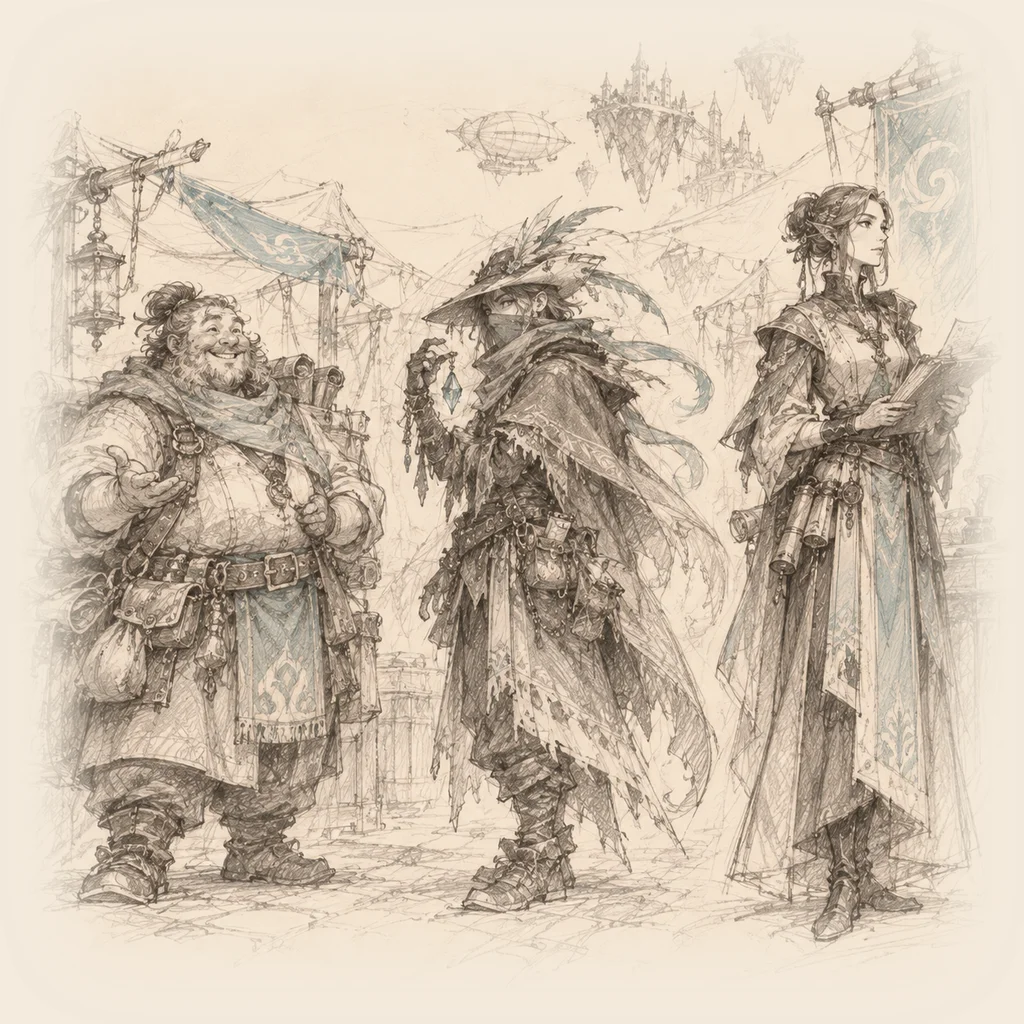
Who the merchant is
What kind of person should the merchant be?
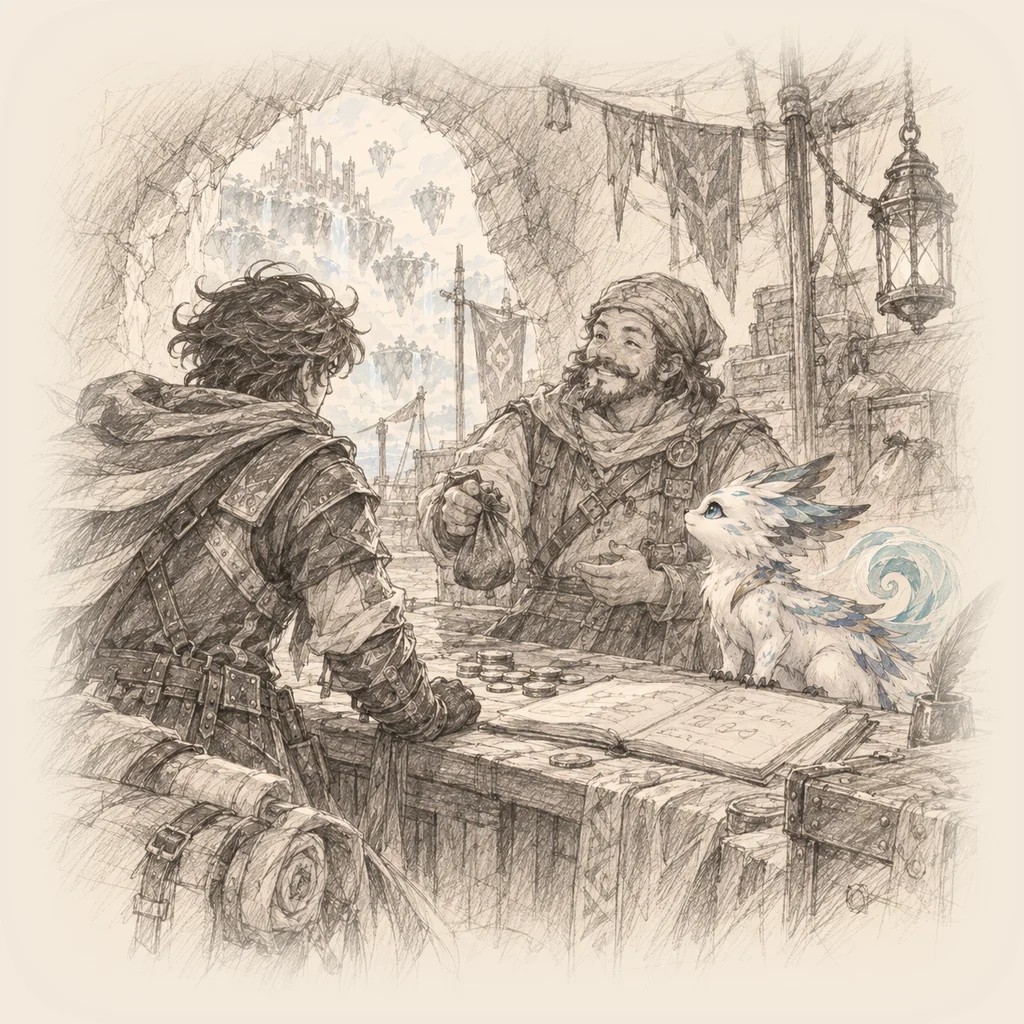
A final shop?
If there is a final shop, how should its purchases relate to the finished run?
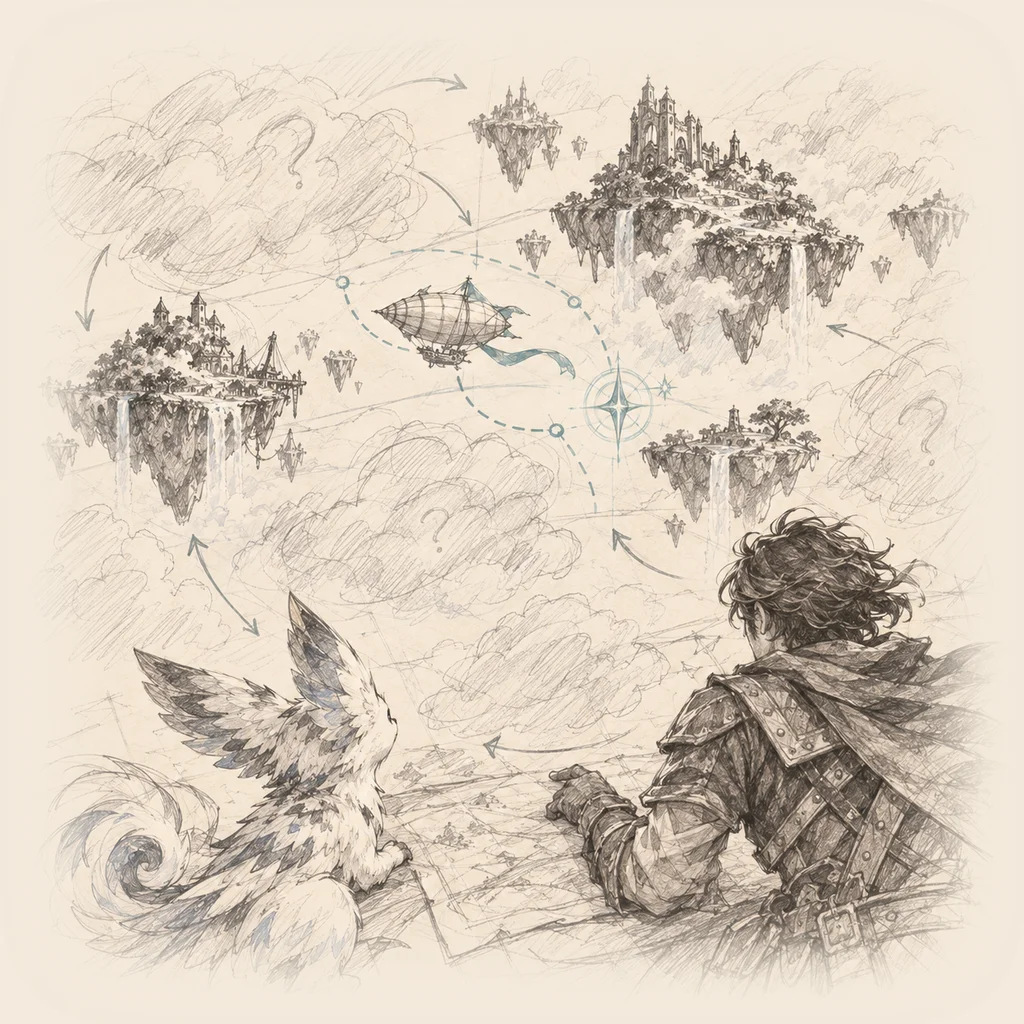
What the map shows first
What should the map show before a destination is selected?
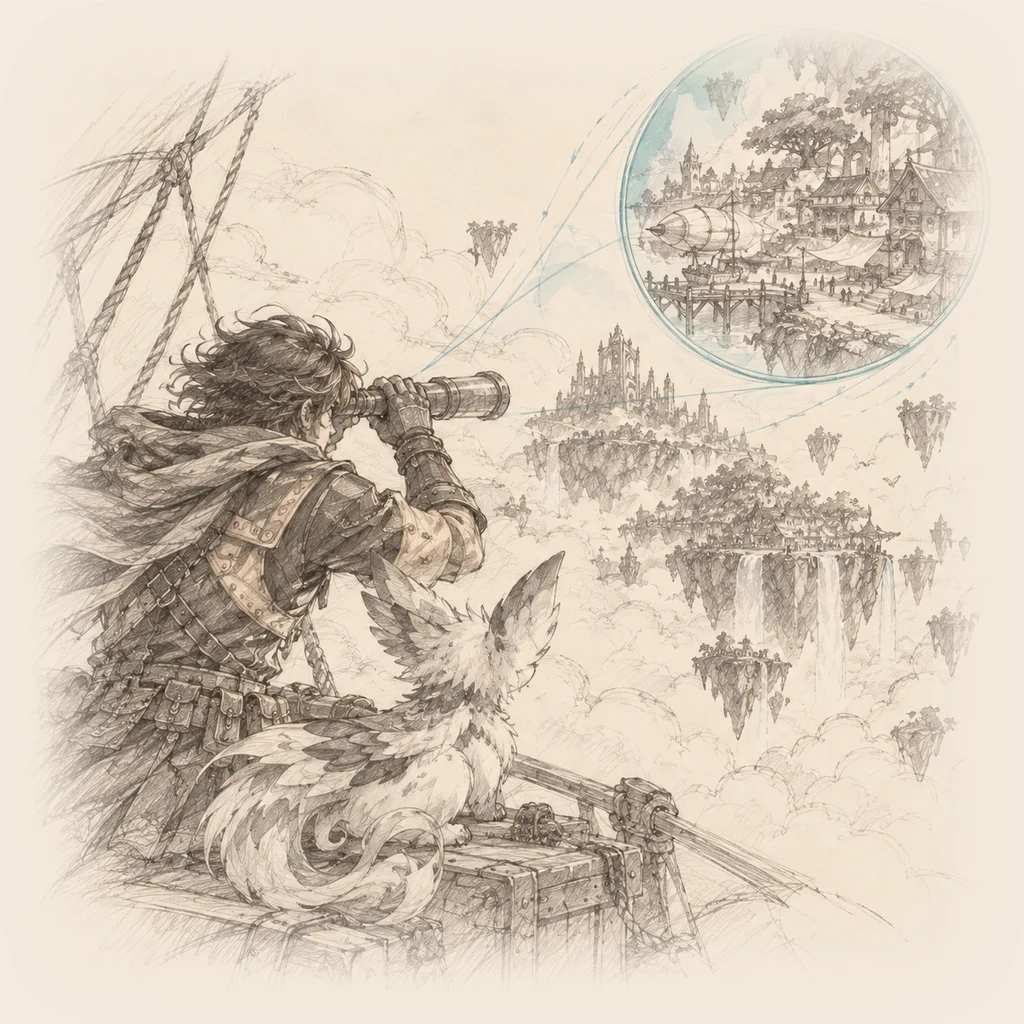
Before you travel
What should clicking a city on the map do before the ship travels there?
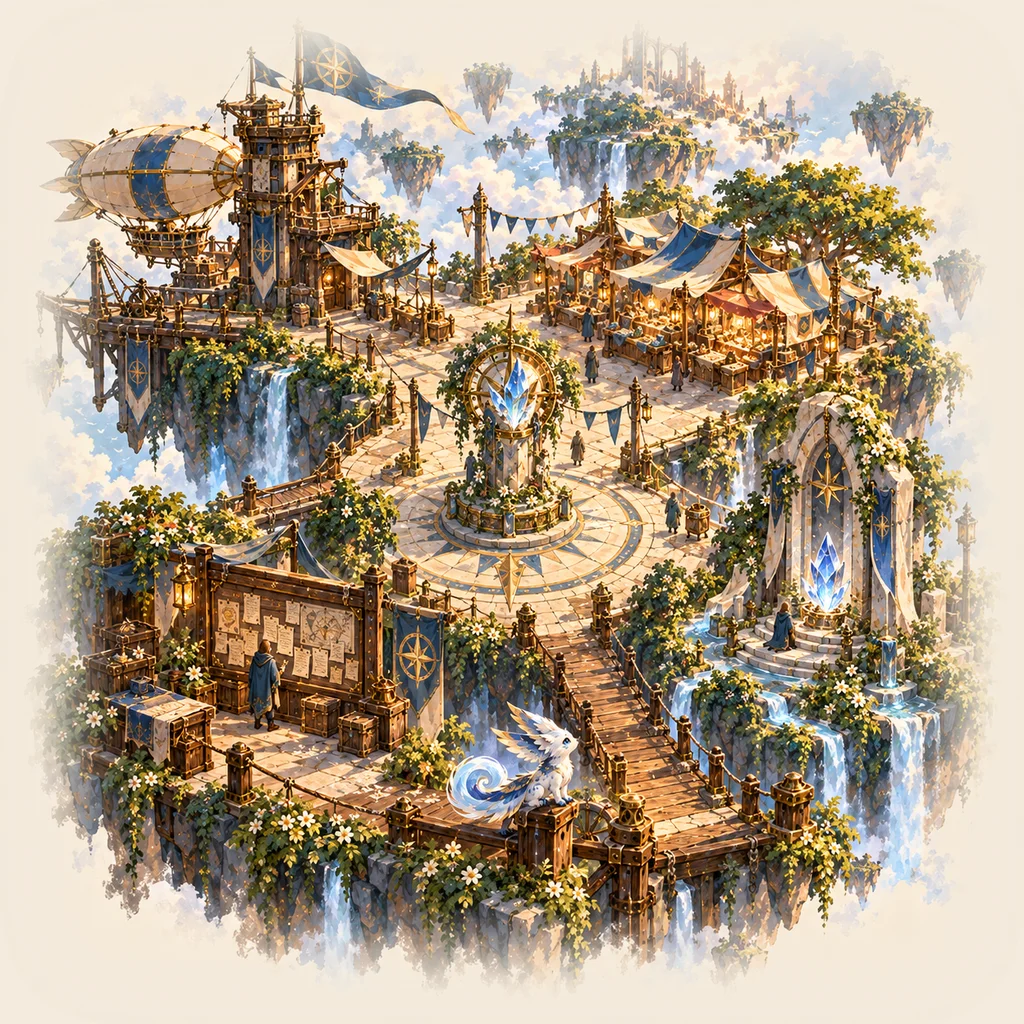
Exploring a city
How should the player explore the city screen?
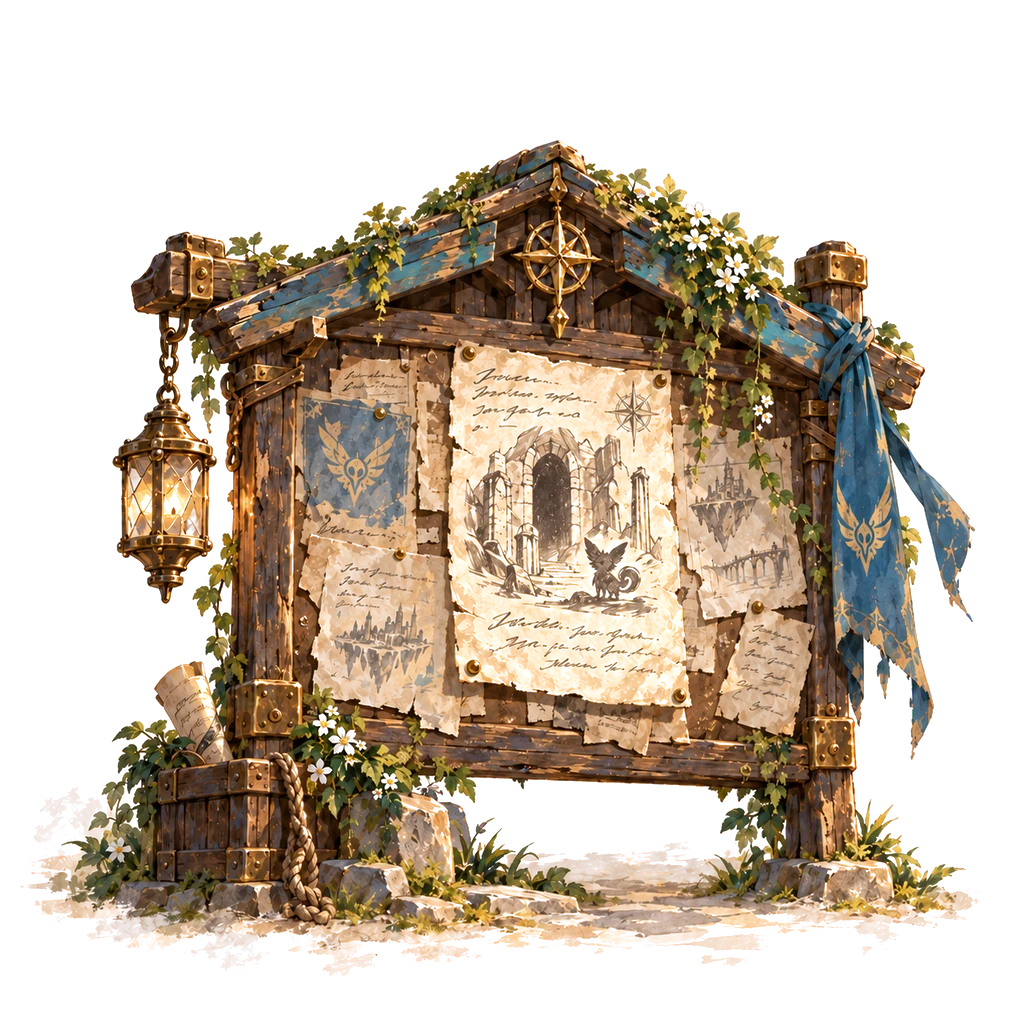
What the first towns need
What people, places and activities must the first city contain?
Chapter 14
Airship & crew
Early ship space supports roughly one or two crew members plus specialist workstations. A specialist can join once the ship has space and the right facility. Crew management stays light and mostly passive. Crafting is tied to specialist crew and their equipped spaces.
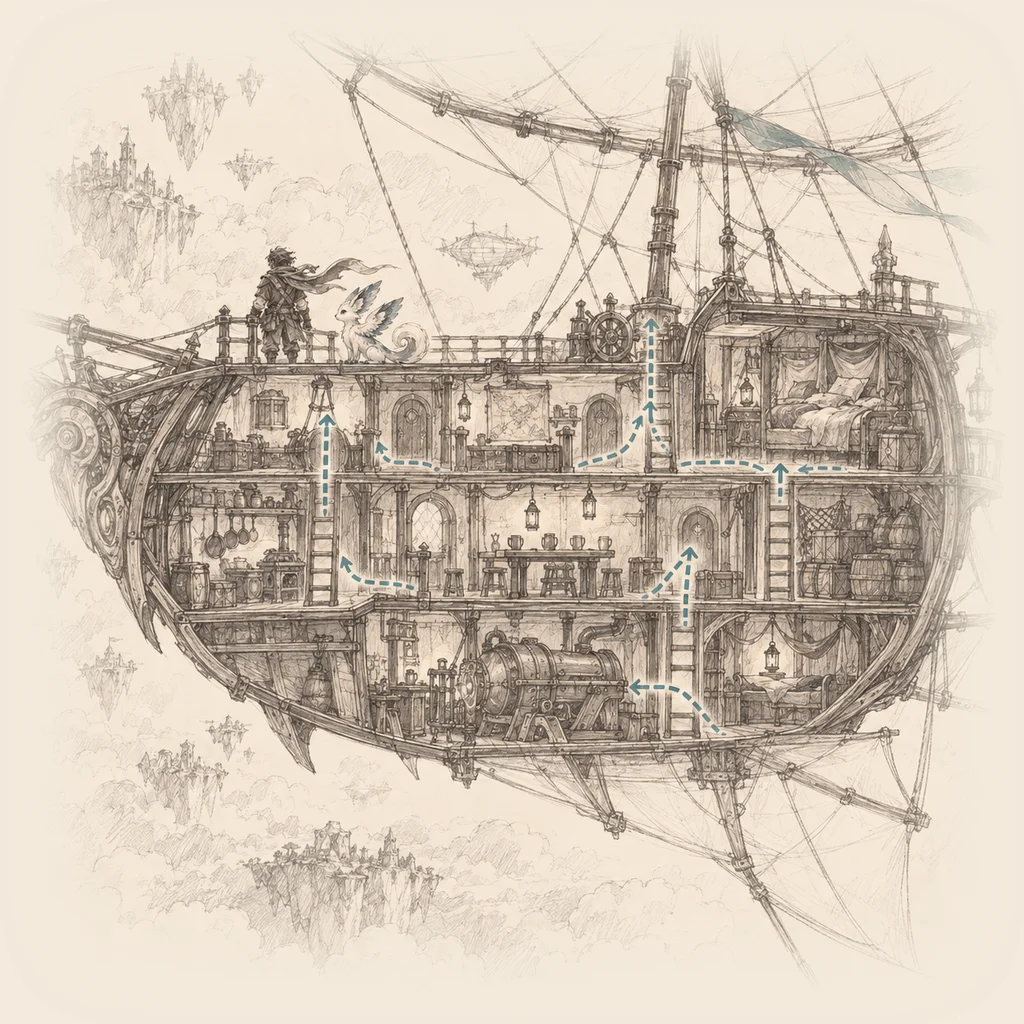
Moving around the ship
How should the player move around the airship home?
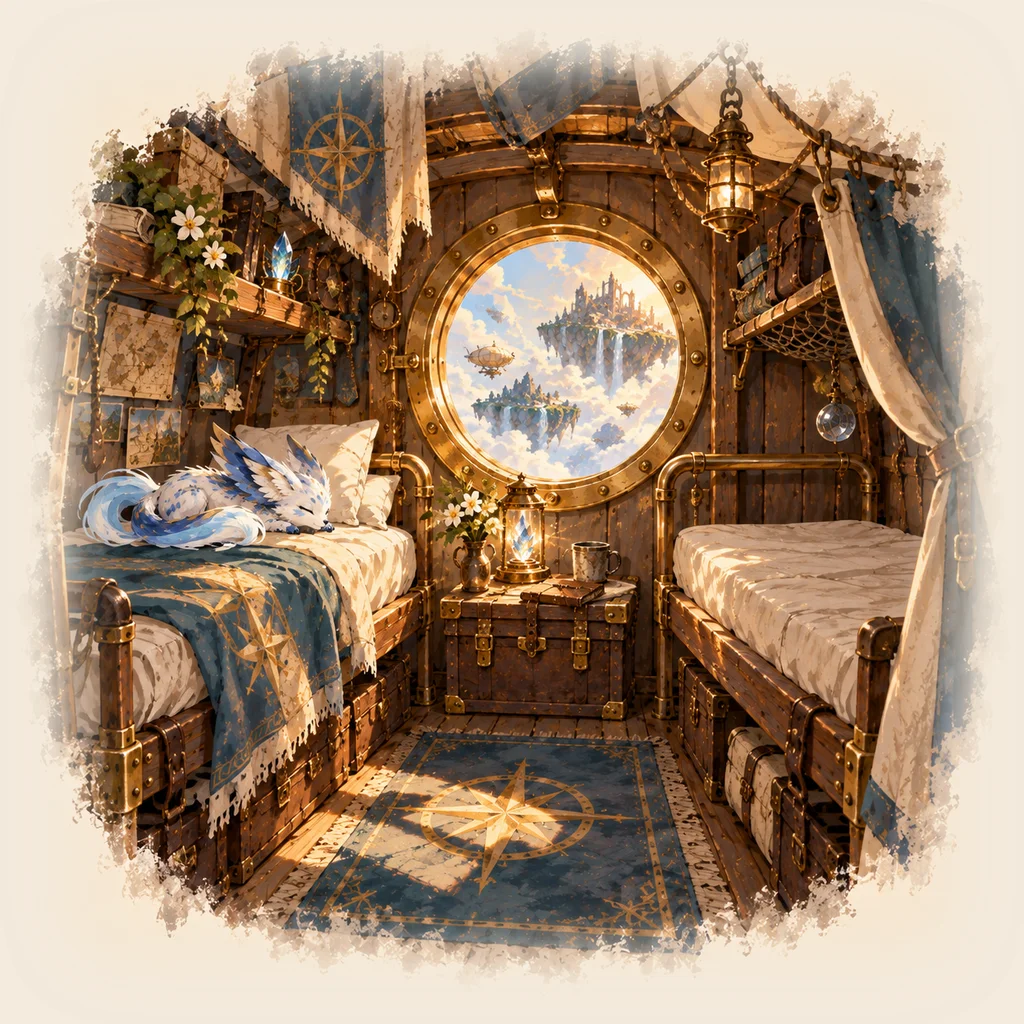
Room for one or two crew
How should the deck and possible two levels be arranged?
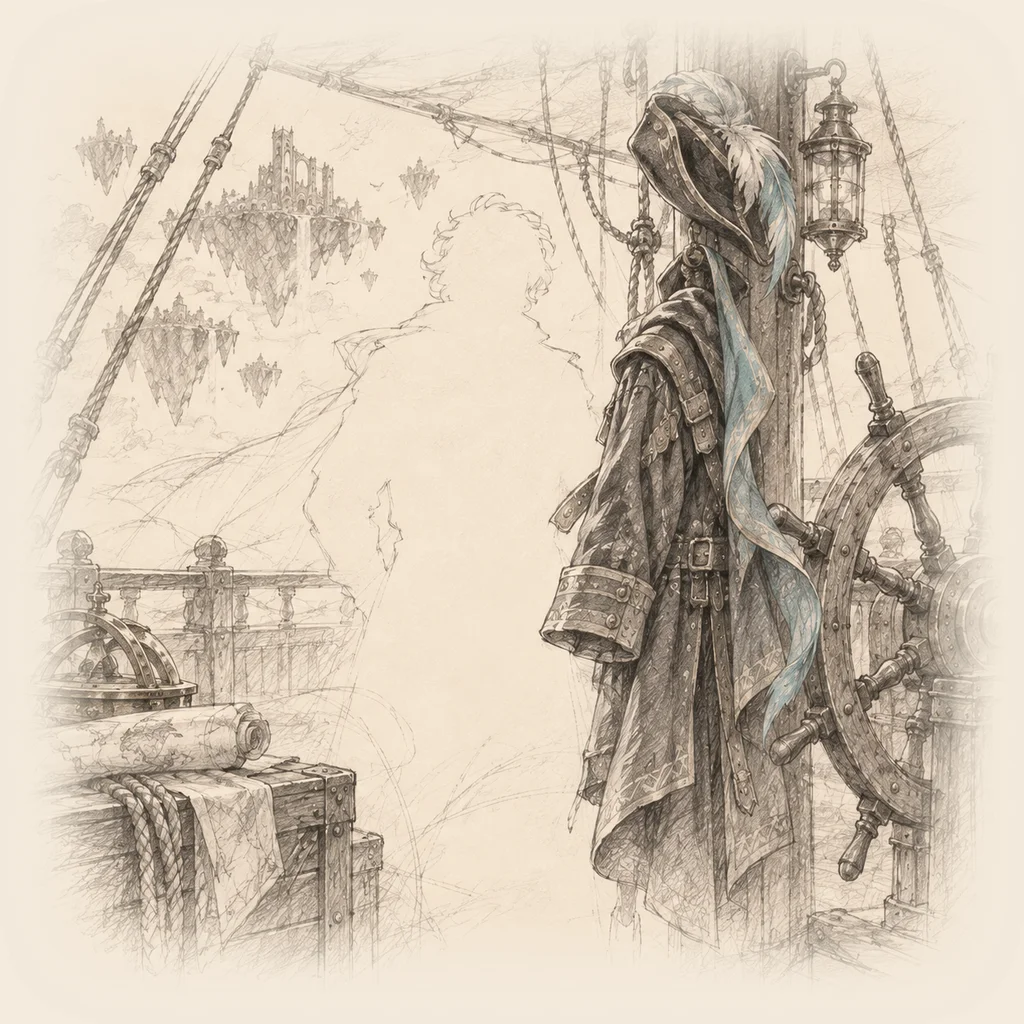
The captain's role
What should the captain do when the player visits?
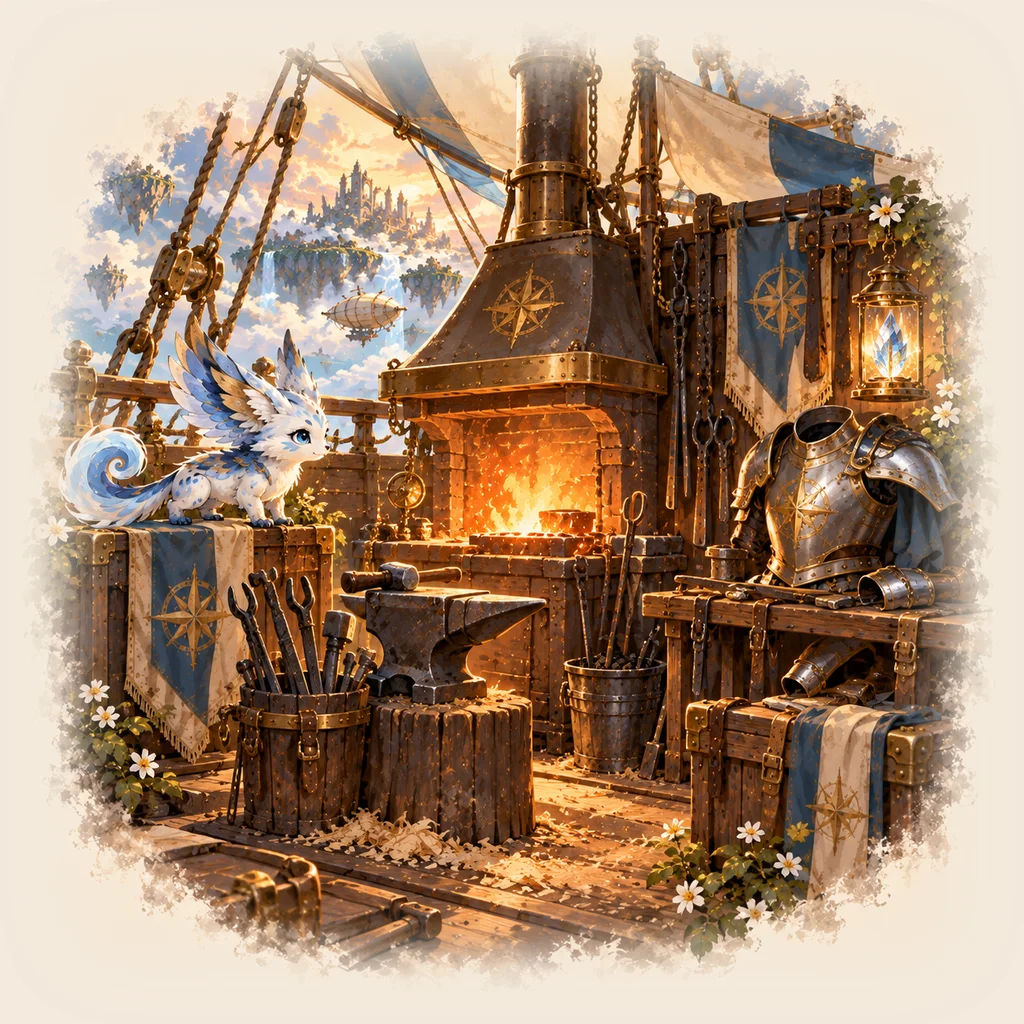
Space, then a specialist
What makes a rescued or helped person ready to join the crew?
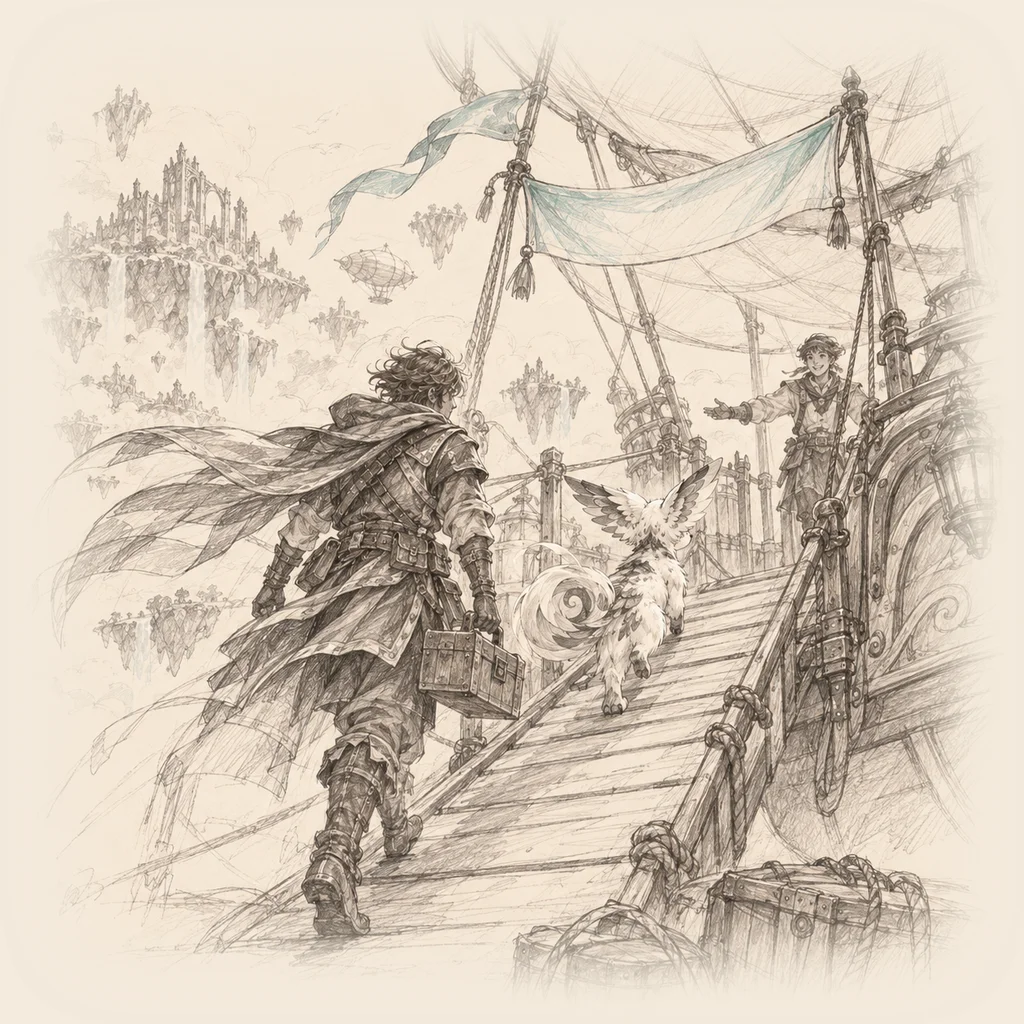
A new crew member arrives
How should a new crew member's arrival become visible aboard the ship?
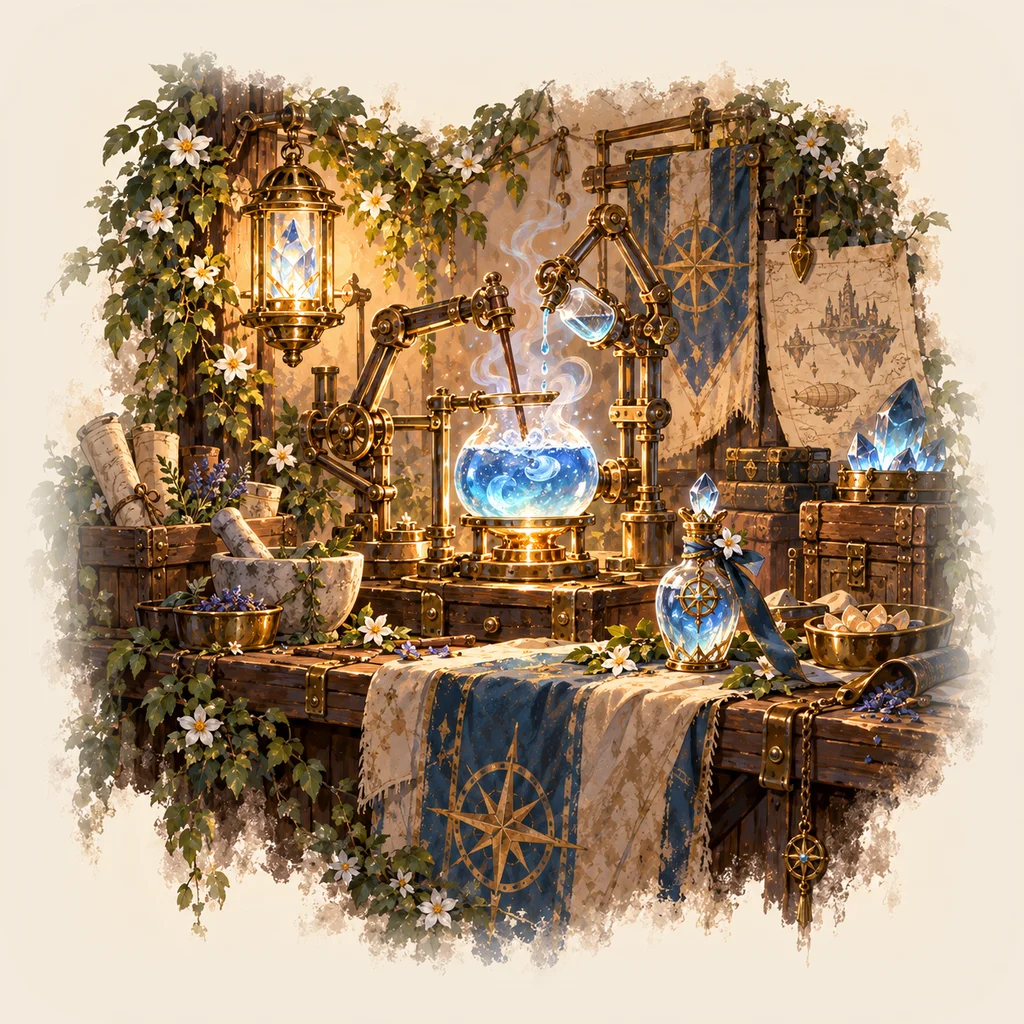
Crew help quietly
What should a crew member's detail view let the player do?

Crafting with the crew
How should crafting work when visiting a crew member?
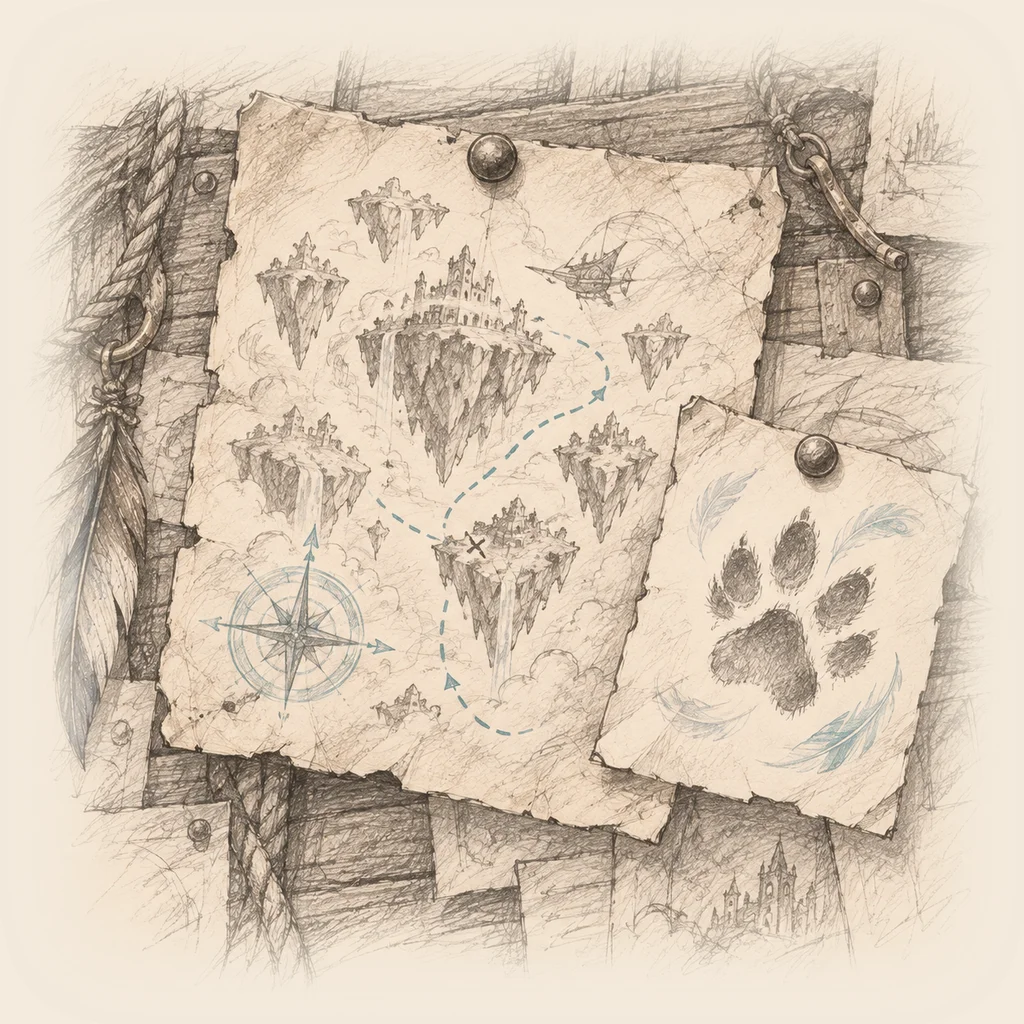
A small crew mission
What should a small crew mission look like from offer to reward?
Chapter 15
Items & customization
Personal inventory and ship cargo have separate capacity pressure, and capacity must be the easiest thing to read on the cargo screen. The trainer screen shows permanent support growth. Trainer and companion progression differ: a trainer tree shapes companion performance, while companions gain run powers, starting levels and evolution.
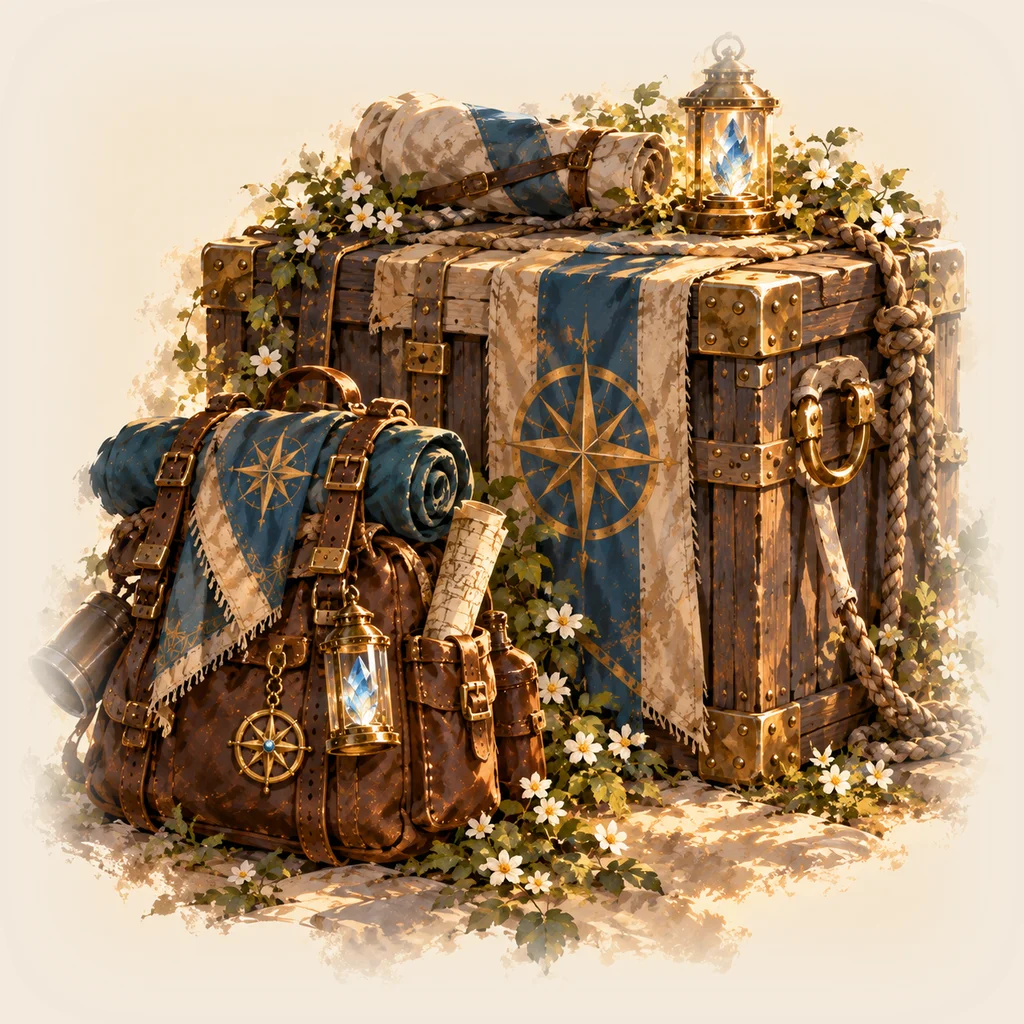
Pack and hold
Which items belong in personal inventory and which belong in ship cargo?
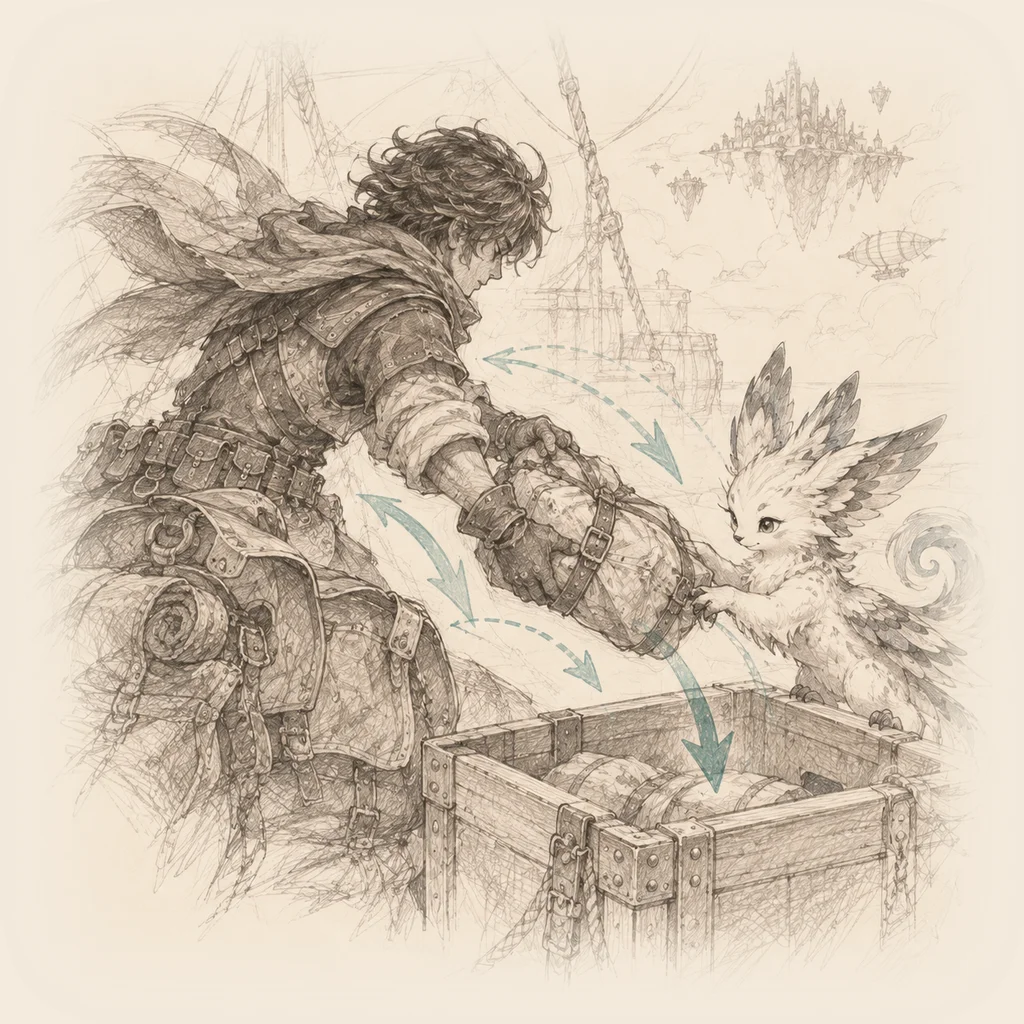
Moving items between them
When should the player be able to move items between inventory and cargo?
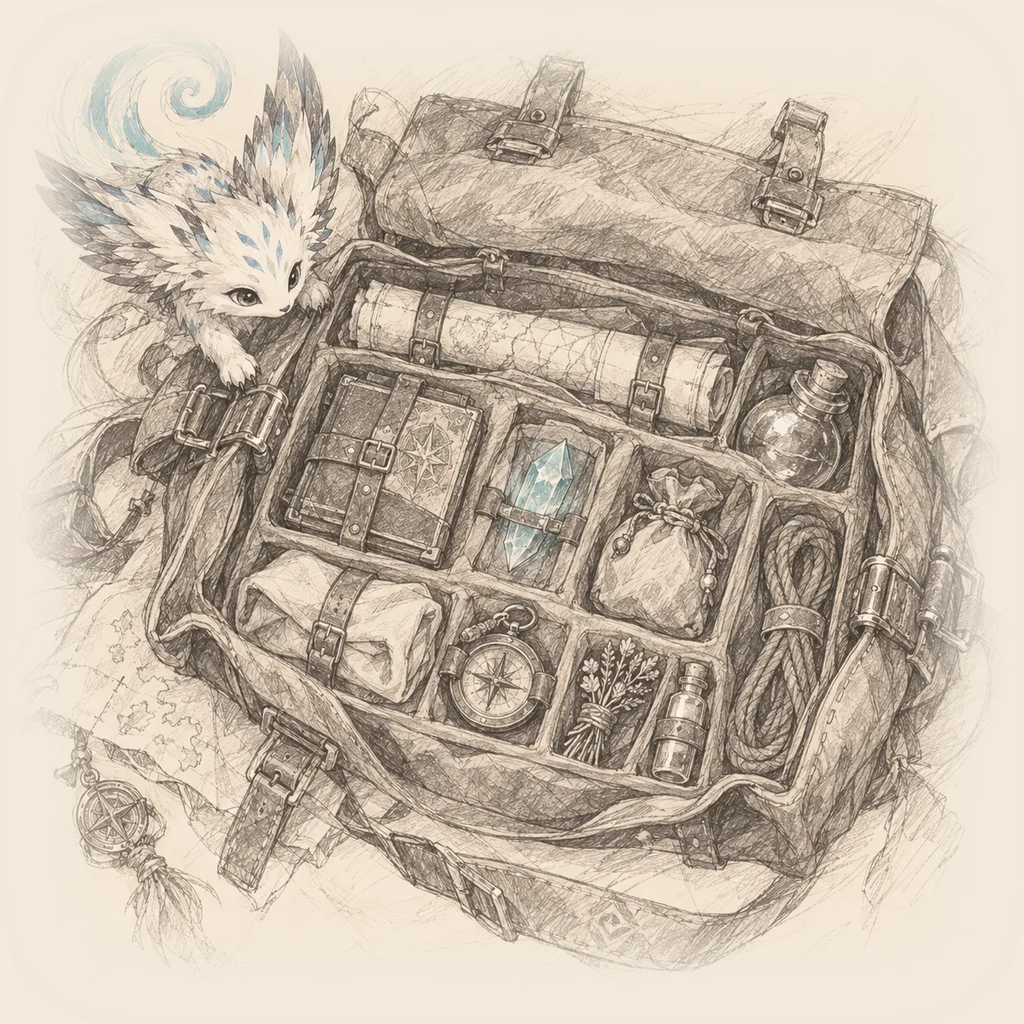
Opening the pack
What should opening the inventory let the player do immediately?
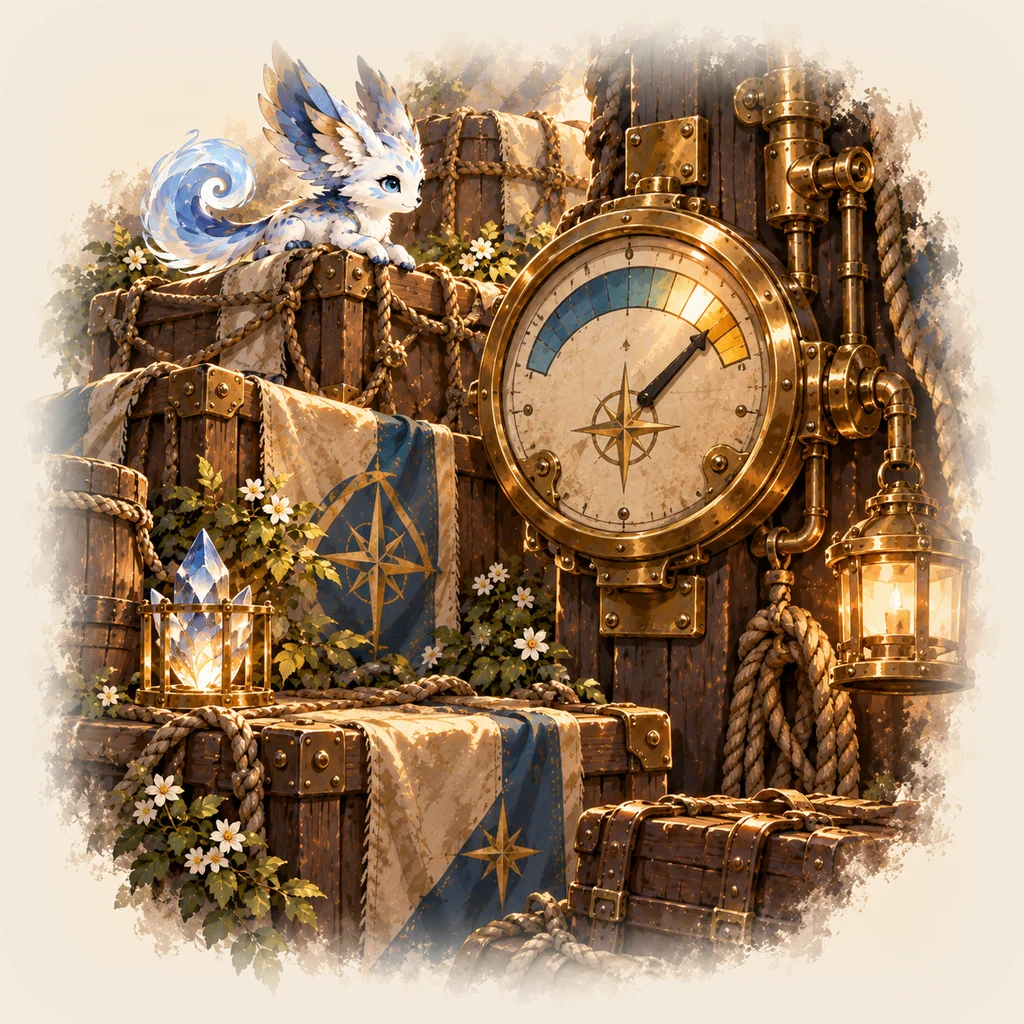
Capacity at a glance
What information should the cargo screen make easiest to understand?
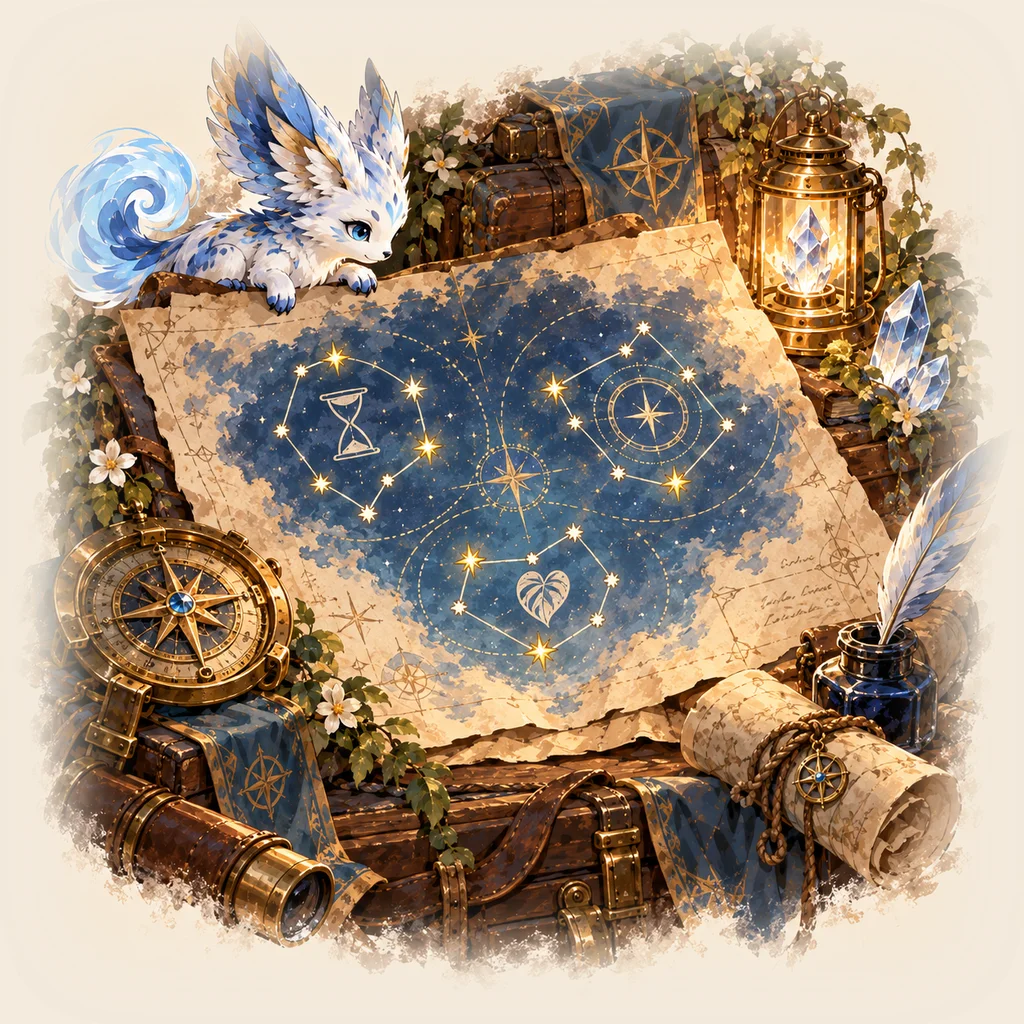
The trainer's growth
What should the player character screen show about the trainer's growth?

Choosing a companion
How should selecting and comparing companions work?

Trainer and companion grow differently
How should powers and skill trees differ between the player and companions?
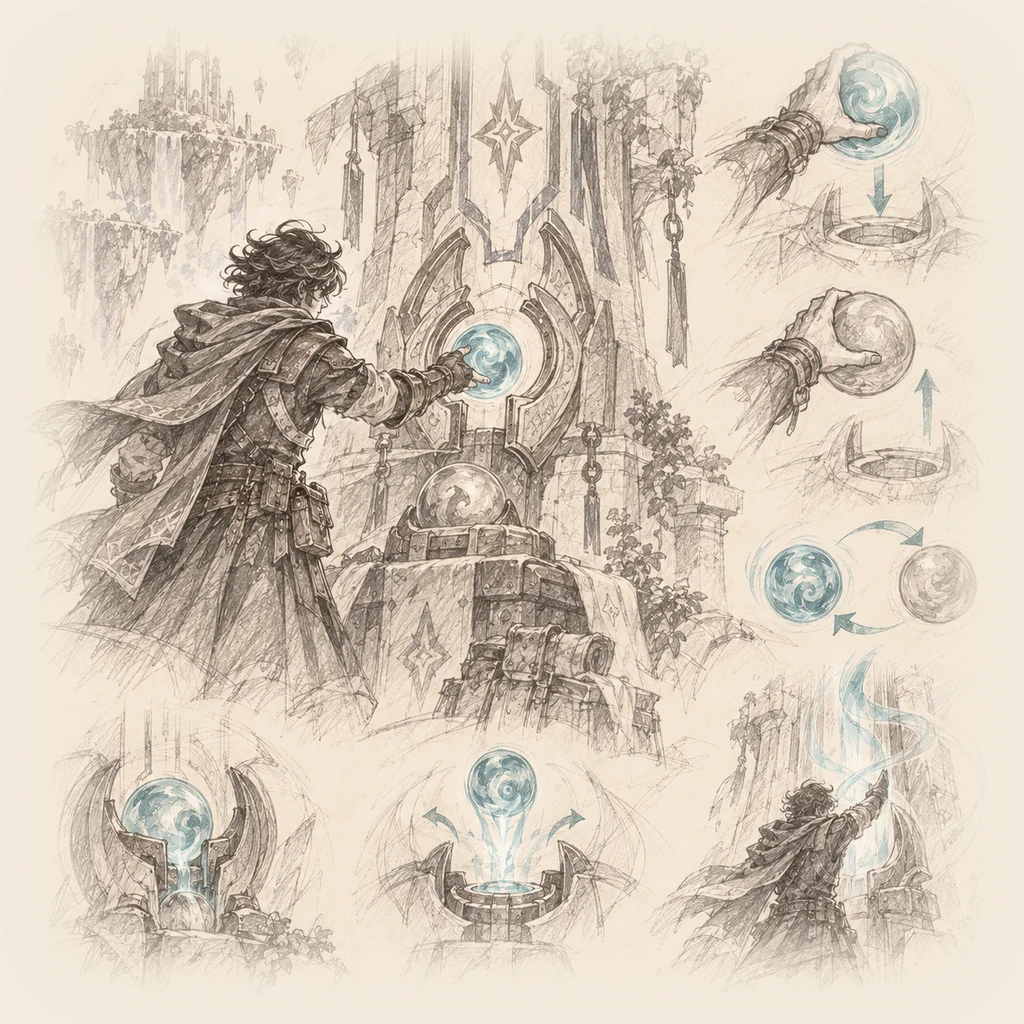
Changing a build
When can builds be changed, and what should changing them cost?